2-Day Vadodara Itinerary: Palaces, Museums and Champaner
A compact 2-day Vadodara itinerary focusing on the city's royal palaces, museums and a day trip to the UNESCO World Heritage site of Champaner-Pavagadh — ideal for history lovers and culture seekers.
By TravMe Holidays travel team · · Updated · 7 min read
Vadodara (Baroda) is Gujarat's cultural heartland — a city where Maratha elegance meets Mughal-influenced architecture and modern museum curation. In two days you can explore grand palaces, world-class collections, leafy promenades and the striking ruins of Champaner-Pavagadh. This itinerary balances sightseeing, relaxed meals and travel logistics so you make the most of your short stay.
How to use this itinerary
This plan assumes you are based in central Vadodara (near Sayajiganj or the university). It is paced for comfortable sightseeing with time for photos, short rests and local meals. Swap activities depending on your arrival and departure times, and check opening hours in advance — many heritage sites observe afternoon closures.
Day 1 — Palaces, Parks and Museums
Morning: Lakshmi Vilas Palace
Start at Lakshmi Vilas Palace, the flamboyant seat of the Gaekwad dynasty. Built in the Indo-Saracenic style, it dwarfs most palaces in scale and still functions as a royal residence. Take the guided tour if available to see the grand durbar hall, the ornate woodwork and the regal portraits that trace the Gaekwad lineage. The palace grounds also include manicured lawns and a small museum displaying artefacts linked to the family and the city’s history.
Late morning: Sayaji Baug (Kamati Baug)
Walk or take a short drive to Sayaji Baug, Vadodara’s most-loved urban park. The shaded paths, ornamental fountains and boating lake make it ideal for a relaxed stroll after the palace. Within the park are two important institutions: the Baroda Museum & Picture Gallery and the Sayaji Baug Zoo (Nanalal Dalpatram Zoo).
Afternoon: Baroda Museum & Picture Gallery
Spend a couple of hours in the Baroda Museum & Picture Gallery. Its collection ranges from Egyptian mummies and Buddhist sculptures to European paintings and local crafts. The museum’s eclectic holdings reflect Vadodara’s cosmopolitan cultural interests cultivated during the Gaekwad era. The adjacent picture gallery houses portraits and works by regional artists.
Late afternoon: Maharaja Fateh Singh Museum
Head to the Maharaja Fateh Singh Museum, housed within a beautiful neoclassical building in Kamati Baug. The museum focuses on fine arts and is known for its collection of European oil paintings, Indian miniature paintings and costumes. The sculpture collection and the small but refined galleries make this a tranquil cultural stop.
Evening: Mandvi or Sursagar Lake Promenade
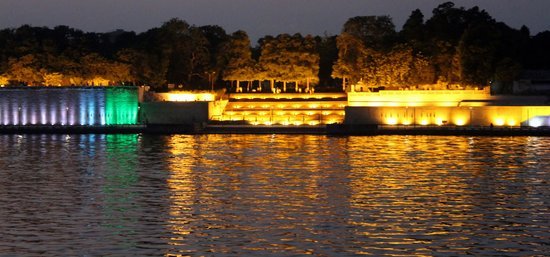
As the sun lowers, take a walk around the Mandvi area and the Sursagar Lake. The lakeside promenades are popular with locals and offer pleasant views, street snacks and a glimpse of daily life. For dinner, choose a local Gujarati thali or sample Kathiawadi cuisine at a nearby restaurant.
Day 2 — Champaner-Pavagadh Day Trip
Early morning departure
Dedicate your second day to the UNESCO World Heritage site of Champaner-Pavagadh Archaeological Park, located about an hour’s drive from Vadodara. Leave early to make the most of daylight and cooler morning conditions. Carry water, sun protection and comfortable walking shoes; the site includes uneven paths and some climbing if you plan to visit the Pavagadh hilltop.
Champaner — the fortified town
Begin your exploration in the fortified town of Champaner. The site preserves an outstanding example of a late medieval Islamic city with unexcavated remains, mosques, tombs, step-wells and a citadel. Key highlights include the Jama Masjid of Champaner, with its impressive façade and carved mihrabs, and the small mosques and pavilions scattered through the ruins. Take time to wander the lanes and appreciate the blend of Hindu and Islamic architectural motifs.
Pavagadh Hill and the Kalika Mata Temple
From Champaner, approach Pavagadh hill. Many visitors walk up to the Kalika Mata Temple or take the ropeway partway to the summit. The temple — an important local pilgrimage site — offers panoramic views of the plains and the surrounding archaeological park. If you climb the hill, allow time for breaks and to enjoy the vistas and the natural greenery around the hill’s slopes.
Exploring step-wells and agricultural remains
Champaner’s step-wells (vavs) are an architectural highlight and testament to water management in semi-arid landscapes. The site also includes remains of urban planning and rural settlements which help narrate the life of a medieval city. A guided visit will help you decode the historical layers; local guides can point out details that are easy to miss on a self-guided walk.
Return to Vadodara: evening leisure
Back in Vadodara by evening, enjoy a relaxed meal and a quiet stroll in the city centre. If you still have energy, stop by a local sweet shop for traditional Gujarati mithai or sip masala chai at a neighbourhood stall.
Practical Information
Getting there and around
- Vadodara is well-connected by rail and road to major Indian cities; the city also has an airport with regional connections.
- Within the city, taxis, auto-rickshaws and app-based rides are convenient. Many attractions in central Vadodara lie within short distances of each other.
- For Champaner-Pavagadh, hiring a private car or booking a local day tour is the most efficient option. Public transport exists but will add travel time and may not reach all archaeological zones directly.
Best time to visit
The winter months (November to February) offer pleasant weather for outdoor exploration. Summers can be hot, so if you travel between March and June schedule outdoor activities early in the morning and rest during afternoon heat. Monsoon brings greenery, especially around Pavagadh, but some ruins on the hill may be slippery.
What to pack
- Comfortable walking shoes and breathable clothing.
- Sun protection: hat, sunscreen and sunglasses.
- Reusable water bottle and light snacks for Champaner-Pavagadh.
- Small first-aid kit and any personal medications.
- Camera or smartphone with extra battery/charger for photos; many viewpoints reward early-morning or late-afternoon light.
Accessibility
Some heritage sites, particularly the Pavagadh hill and older ruins, include uneven terrain, steps and slopes and may be challenging for visitors with mobility issues. Central city museums and certain sections of the palace complex are more accessible, but always check with the site authorities for up-to-date accessibility details.
Food and Where to Eat
Vadodara’s food scene is a satisfying mix of traditional Gujarati thalis, street snacks and multi-cuisine restaurants. Must-try items include farsan (savory snacks), undhiyu when in season, local sweets like ghari and a hearty Gujarati thali for a complete meal. Near Sayaji Baug and Old City you will find popular cafes and sweet shops that are perfect for breakfast and evening snacks.
Money-Saving and Time-Saving Tips
- Buy combined tickets where available, and confirm if photography is permitted inside museums before using your camera.
- Start early at popular sites to avoid the heat and crowds, especially for the palace tour and Champaner-Pavagadh.
- Negotiate fair fares for local autos before boarding or use app-based rides to lock in a price; for day trips, a private car gives flexibility and saves time.
- Carry local currency for smaller purchases and donations at temples; not all stalls may accept cards or digital payments.
Tip: A guided walk in Champaner can transform your visit — the ruins speak volumes when explained by someone who knows their stories and functions.
Alternate/additional options
If you find extra time, consider a quick visit to the following:
- Kirti Mandir — the memorial and temple built for the Gaekwad family with interesting murals; it provides insights into royal life and spiritual practice.
- Nyaya Mandir and the old College Road area — for a sense of colonial and civic architecture, and leafy streets to explore on foot.
- Local craft shops and galleries — Vadodara has a thriving arts community; look for handicrafts, textiles and traditional jewellery in boutique stores and markets.
Conclusion
Two days in Vadodara is an enriching crash-course in Gujarat’s layered history — from the grandeur of the Gaekwads to the medieval stonework of Champaner-Pavagadh. With comfortable shoes, a flexible schedule and a curiosity for history and art, you will leave with vivid memories of palatial halls, museum treasures and an atmospheric UNESCO site that captures the region’s cultural crossroads.