2-Day Pushkar and Ajmer Itinerary for Calm Travellers
A calm, well-paced 2-day itinerary for Pushkar and Ajmer that balances temples, lakeside tranquillity, and Sufi heritage. Ideal for travellers seeking reflective experiences and easy logistics.
By TravMe Holidays travel team · · Updated · 7 min read
Pushkar and Ajmer make a perfect short escape from the city—one town offering the serene spiritual rhythm around a sacred lake, the other a historic Sufi centre with bustling bazaars. This 2-day itinerary is tailored for calm travellers who prefer unhurried exploration, meaningful encounters, and time to breathe between sights.
Overview: Why Pushkar and Ajmer for a short, calm trip
Located within a short drive of each other, Pushkar and Ajmer combine two distinct but complementary moods. Pushkar is quiet, devotional and slightly bohemian, centred on the Pushkar Lake and the Brahma Temple. Ajmer is more urban, with the revered Ajmer Sharif Dargah and layers of Mughal and Rajput history. Together, they offer spiritual depth, scenic walks and gentle cultural immersion—ideal for travellers who prefer mindful pacing over cramming.
How to use this itinerary
This plan assumes arrival by early morning on Day 1 or the night before. It emphasises daylight activities, relaxed meals, and time for reflection. You can adjust timings based on your transport and energy levels. For a calmer experience, skip one activity and linger longer at a favourite spot.
Quick logistics
- Best time to visit: October to March for comfortable days and cool evenings.
- Getting there: Pushkar and Ajmer are well connected by road from Jaipur and Udaipur; Ajmer also has a railway station. Many travellers combine this trip with a Rajasthan circuit.
- Local transport: Auto-rickshaws for short hops, cycle-rickshaws in Pushkar’s narrow lanes, and private taxis for transfers between towns.
- Pace: Gentle—expect leisurely walks, time for personal reflection by the lake or shrine, and unhurried meals.
Day 1: Pushkar — lakeside tranquillity and sacred rhythms
Morning: Arrival and lakeside walk
Arrive early in Pushkar and check into a hotel or guesthouse near the ghats for convenience. Start your day with a peaceful walk around Pushkar Lake. The lake has 52 ghats—each with its own character. Morning is the best time for the ambience: soft light, local devotees performing rituals, and a pastoral calm that invites pause. Spend time at your preferred ghat, observing, photographing thoughtfully, or simply sitting and listening.
Late morning: Brahma Temple and quiet corners
From the lake, visit the Brahma Temple—one of the few major temples dedicated to Lord Brahma. The temple complex is compact and manageable, lending itself to a mindful visit rather than a rush. Respect temple customs on dress and photography, and enjoy the serene interior. After the temple, explore the maze of narrow lanes lined with shops selling spiritual paraphernalia, handmade jewellery and textiles. For calm travellers, head to a quieter lane or a rooftop café for a cup of masala chai.
Lunch: Mindful eating
Choose a cosy café or rooftop restaurant overlooking the lake. Pushkar has many eateries offering a mix of Rajasthani thalis, simple Indian home-cooked food, and continental options. Eat slowly, appreciating both local flavours and the unhurried rhythm of the town.
Afternoon: Savitri Temple and sunset viewpoint
After lunch, take a tuk-tuk or walk up to the Savitri Temple located on a hill across the lake. The climb to the temple can be taken at a steady pace; there are multiple vantage points along the way with sweeping views of Pushkar and the surrounding Aravalli hills. The temple is a good place for quiet meditation and offers a panoramic setting for late afternoon light. If you prefer to skip the climb, spend more time exploring the markets or relaxing at your accommodation.
Evening: Gentle exploration and a calm dinner
Return to the ghats for the evening aarti if you enjoy ritual music and collective prayer—though Pushkar’s aarti tends to be less elaborate than those in larger pilgrimage centres. Alternatively, enjoy a slow walk through the market streets, pick up a handcrafted souvenir, and choose a peaceful restaurant for dinner. Opt for lighter, familiar dishes if you’re sensitive to new spices.
Day 2: Ajmer — Sufi heritage and historic walks
Morning: Transfer to Ajmer and visit Ajmer Sharif Dargah
After breakfast, take a short drive to Ajmer—typically less than an hour. Start your visit with the Ajmer Sharif Dargah, the renowned shrine of Sufi saint Khwaja Moinuddin Chishti. The atmosphere at the Dargah is contemplative and deeply respectful; dress modestly and follow local customs. Spend time absorbing devotional sounds, watching the caretaking rituals, and sitting in the shaded courtyards. If you prefer solitude, visit earlier in the morning when crowds are fewer.
Late morning: Ana Sagar Lake and Daulat Bagh
Walk or take an auto to Ana Sagar Lake, a serene artificial lake created centuries ago. The Nehru Park on the lakeside and Daulat Bagh are pleasant places for a relaxed stroll. You’ll find locals enjoying the space, vendors selling snacks, and viewpoints ideal for quiet reflection and photography.
Lunch and a slow-paced heritage walk
For lunch, try a simple thali or a calm café away from the main market. Post-lunch, take a heritage walk through Ajmer’s old city. Key sites include the Adhai Din Ka Jhonpra, an interesting example of early Indo-Islamic architecture, and quieter alleys lined with artisan shops. If you love architecture, spend time admiring the stonework and the layered history evident in the buildings.
Evening: Sunset from the Taragarh Fort or relaxed market time
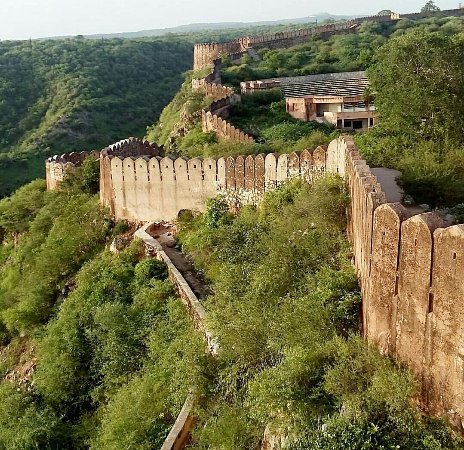
If you are inclined to a gentle climb, Taragarh Fort offers panoramic views over Ajmer and is particularly lovely at sunset. The approach is manageable at a leisurely pace and rewards you with broad vistas—beautiful for photography or silent contemplation. Alternatively, return to the markets and sample some local sweets to end your day on a comforting note.
Where to stay: choices for calm travellers
- Pushkar: Opt for a lakeside guesthouse or a quiet boutique hotel with a rooftop. These properties often provide peaceful views, easy access to the ghats, and comfortable common areas for reading or meditating.
- Ajmer: Choose a centrally located hotel near the Dargah or the lake. A calm, mid-range hotel with good reviews for cleanliness and quiet will enhance your restful experience.
Food and drink: gentle culinary suggestions
Both towns offer a mix of vegetarian and non-vegetarian options. Pushkar has a strong vegetarian scene with many cafés catering to travellers seeking fresh, wholesome meals. Ajmer offers traditional Rajasthani dishes and simple street food—choose busy stalls for safety and fresh preparation. Keep hydrated in the daytime and prefer freshly cooked items. If you are particular about spice levels, ask for mild preparations.
Practical tips for calm travel
- Pace yourself: Allow extra time between activities to rest, journal or simply watch local life unfold.
- Respect local customs: Dress modestly at religious sites and follow requests regarding shoes and photography.
- Early mornings: Start early to enjoy quieter ghats and shrines before midday heat and crowds.
- Cash and connectivity: Keep some local cash for small purchases. Mobile connectivity is generally good, but signal may be weaker in hillier areas.
- Comfortable footwear: Expect uneven paths around ghats, old alleys and fort approaches—comfortable shoes make these gentle walks enjoyable.
Packing list for a calm 2-day trip
- Light layers for cool mornings and warm afternoons
- Modest clothes for temples and shrines (long skirts, loose trousers, scarves)
- Comfortable walking shoes or sandals
- A refillable water bottle and basic medicines
- Notebook or camera for quiet reflection and keeping memories
Alternative slower options and extensions
If you find these two days still too packed, consider spending both nights in Pushkar and making a day trip to Ajmer from there. That allows deep immersion into Pushkar’s rhythms—more time at the lake, attending a local chant session, or taking a gentle yoga class. Conversely, if you have an extra day, explore nearby villages or take a small-group heritage walk in Ajmer led by a local guide to understand the town’s layered history.
Responsible travel reminders
- Be mindful when photographing people—ask permission where possible.
- Carry a small bag for litter; dispose of waste responsibly.
- Support local businesses—buy handcrafted items from artisans and eat at family-run cafés to contribute directly to the local economy.
Pushkar and Ajmer invite you to slow down, listen and savour moments. Follow this calm itinerary to experience devotional peace by the lake, Sufi reverence in Ajmer and gentle walks through history—without feeling hurried. Travelling slowly here rewards you with quiet encounters, meaningful souvenirs and memories that linger.
Safe travels and may your visit be peaceful and restorative.