2-Day Pelling Itinerary: Monasteries, Waterfalls and the Skywalk
A thoughtful 2-day Pelling itinerary covering the best monasteries, waterfalls, the thrilling Skywalk and practical travel tips to make the most of a short trip to Sikkim's emerald valley.
By TravMe Holidays travel team · · Updated · 6 min read
Pelling is Sikkim's postcard — a compact mountain town where soaring ridgelines, prayer flags and tumbling waterfalls meet serene monasteries and a skywalk with panoramic views. Ideal for a short escape, this 2-day itinerary focuses on the must-see spiritual sites, natural highlights and local experiences so you can soak up Pelling's unique charm without feeling rushed.
Before You Go: Practicalities and Getting There
Pelling sits in West Sikkim at an elevation of about 2,150 metres. It is accessible by road from Gangtok (around 4–5 hours by vehicle) or by a longer drive from Siliguri/New Jalpaiguri. Travel time depends on road and weather conditions. If you prefer rail, New Jalpaiguri (NJP) is the nearest major railhead, and Bagdogra is the closest airport.
Important travel notes:
- Inner Line Permit (ILP): Indian nationals need an ILP or Protected Area Permit for Sikkim; foreigners require a Restricted Area Permit. Permits can be arranged online or through hotels/agents in Gangtok.
- Best time to visit: March to June and September to November offer clear skies and pleasant temperatures. Winter brings frosty mornings and occasional snow at higher elevations.
- Health and altitude: Pelling’s altitude is moderate; most travellers adjust quickly. Stay hydrated and avoid strenuous exertion on arrival.
Where to Stay
Pelling’s accommodation ranges from budget guesthouses to comfortable hill resorts, many with views of the Kanchenjunga range. Opt for a hotel near the main town or towards Rabdentse for easier access to trails and attractions. If a sunrise view of the Himalaya is a priority, check room orientation before booking.
Day 1: Spiritual Sites, Skywalk and Local Strolls
Start early to catch the morning light on the mountains and to beat crowds at popular viewpoints.
Morning — Pemayangtse Monastery and Rabdentse Ruins
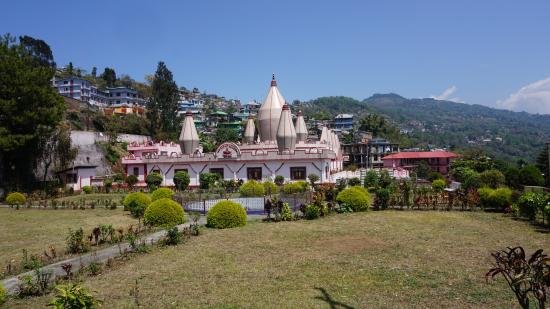
Begin with Pemayangtse Monastery, one of Sikkim’s oldest and most venerated monasteries. The gompa houses colourful frescoes, ornate prayer halls and an atmosphere of calm. Spend time observing rituals, listening to the monks’ chants if you’re fortunate, and respecting photography rules inside sacred areas.
After Pemayangtse, visit the Rabdentse ruins, the remains of Sikkim’s second capital. Forested pathways lead between stone foundations and chortens with sweeping views of the valley — a peaceful place for reflection and photos.
Lunch — Sample Local Flavours
Return to Pelling town for lunch. Try local Sikkimese and Nepali dishes like thukpa (noodle soup), gundruk (fermented leafy greens) and momo (dumplings). Most eateries are simple and welcoming; ask for freshly prepared local tea after your meal.
Afternoon — The Skywalk and Rock Garden
Post-lunch head to Pelling Skywalk, a modern vantage point offering sweeping panoramas of the Kanchenjunga range and the surrounding valleys. The Skywalk’s glass sections make for a slightly thrilling experience — wear comfortable shoes and avoid running. Spend time walking the nearby trails for different viewing angles.
From the Skywalk, proceed to Khecheopalri or the nearby rock garden and waterfalls depending on time. The rock garden is a good spot for light walks, photographs and some quiet downtime.
Evening — Sunset and Market Walk
Return to an evening viewpoint to watch the mountains change colour at sunset. Pelling’s town square offers small shops selling handicrafts, prayer flags and woollens — perfect for picking up souvenirs. Enjoy a warm cup of local butter tea or masala chai and retire early to rest for the next day.
Day 2: Waterfalls, Monasteries and a Short Trek
Use your second day to explore waterfalls, lesser-known monasteries and a short nature walk that brings you closer to the region’s flora and birdlife.
Morning — Kanchenjunga Waterfalls and Rimbi Waterfall
Start with a visit to the Kanchenjunga Waterfalls area. Depending on season and rainfall, these falls can be a gentle cascade or a powerful spectacle. The walk to the falls is pleasant and shaded; wear sturdy footwear and be careful on slippery paths. If you prefer an alternate route, Rimbi Waterfall is another nearby cascade with scenic surroundings and quieter trails.
Late Morning — Sanga Choeling or Sanghak Choeling Monastery
Make time for Sanga Choeling Monastery, an ancient and serene gompa reachable either by a short drive followed by stairs or a modest trek through forested slopes. This monastery is less frequented by tourists and offers intimate views of monastic life, prayer flags fluttering in the wind and beautiful views over the valley. The approach trail is lined with rhododendrons and native trees that burst into colour in spring.
Lunch — Picnic or Local Kitchen
Pack a picnic if you’re on a nature walk, or return to Pelling town for a hearty meal. Local tea houses make simple plates — dal, vegetables, rice and rotis — that are nutritious and filling for walkers.
Afternoon — Ralong Monastery or Short Nature Trek
If time permits and you are comfortable with a slightly longer drive, visit Ralong Monastery, known for its peaceful compound and expansive views. Alternatively, take a short nature trek near Pelling: several village trails offer close encounters with birds, traditional Sikkimese farming terraces and friendly villagers. Respect local customs — ask before photographing people and avoid loud behaviour in sacred spaces.
Sunset — Reflect and Relax
End the day at a viewpoint to watch another alpine sunset and enjoy a relaxed dinner. Consider trying a local dessert like sel roti (a traditional ring-shaped rice bread) if available, or simple sweets served at family-run eateries.
Practical Tips and Responsible Travel
- Packing list: Layered clothing, waterproof jacket, comfortable walking shoes, hat, sunscreen, basic first aid, reusable water bottle, and a small daypack for treks.
- Respect local culture: Dress modestly at monasteries, remove shoes where required, and avoid touching sacred objects. Offer a small donation if you use a gompa’s facilities or participate in a ceremony.
- Waste and water: Carry a reusable bottle and avoid single-use plastics. Use hotel laundry or local facilities to reduce waste, and always dispose of litter properly.
- Photography: Ask permission before taking photos of monks or villagers. Some monastery interiors may prohibit photography entirely.
- Safety: Mountain roads can be narrow; use reputable drivers and avoid night travel when possible. Carry basic medicines and check weather forecasts if you plan longer treks.
- Local support: Hire local guides for treks and excursions when possible — it supports the community and enhances your experience with local knowledge.
Alternative Add-ons (If You Have Extra Time)
If your schedule opens up, consider these nearby experiences:
- Kanchendzonga National Park: For serious trekkers and nature lovers, the national park offers rich biodiversity and dramatic landscapes. Access requires permits and planning.
- Yuksom: A historic gateway town for treks to Dzongri and Goecha La, Yuksom has its own monasteries and trekking culture.
- Local homestays: Spend a night in a village homestay to experience Sikkimese hospitality, cuisine and village life.
Final Words: Making the Most of Two Days in Pelling
Two days in Pelling can be a wonderfully immersive short trip if you balance sightseeing with quiet moments to absorb the landscape. Prioritise a mix of spiritual visits (Pemayangtse, Sanga Choeling), natural highlights (waterfalls, short treks) and the modern vantage of the Skywalk for panoramic views. Travel at a relaxed pace, stay respectful of local customs, and leave room for serendipity — a friendly conversation with a local, an unexpected viewpoint or a clear sunset can become your lasting memory of Sikkim.
Whether you’re after spiritual calm, alpine views or a quick nature reset, this 2-day Pelling itinerary gives you a compact but meaningful taste of Sikkim’s culture and scenery.