2-Day North Sikkim Itinerary: Lachung, Yumthang and Zero Point
A practical, day-by-day 2-day itinerary for North Sikkim covering Lachung, Yumthang Valley and Zero Point, with travel tips, permits, best time to visit, packing list and safety advice for an enjoyable high-altitude trip.
By TravMe Holidays travel team · · Updated · 6 min read
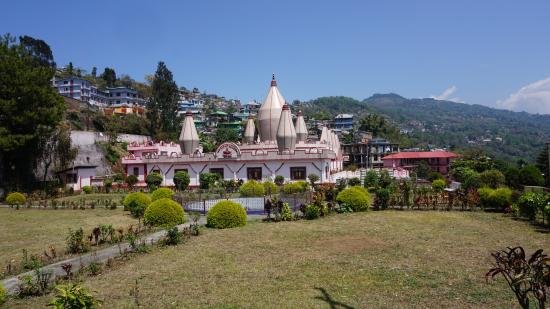
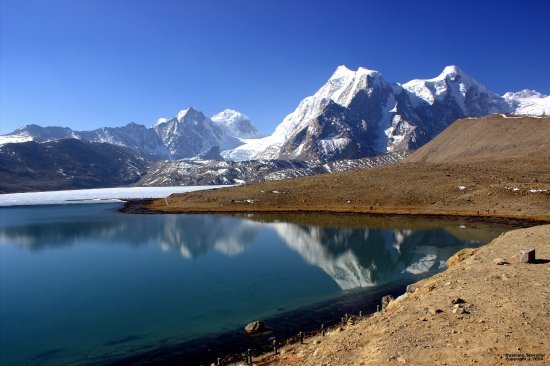
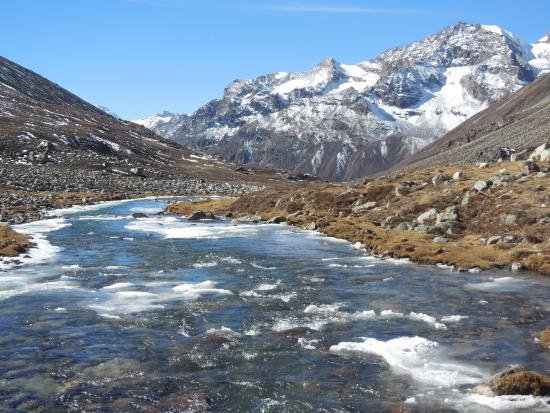
North Sikkim's high-altitude landscapes — frosted meadows, fluttering prayer flags and dramatic mountain views — are some of the state's most iconic sights. This 2-day itinerary focuses on Lachung, the flower-filled Yumthang Valley and the icy expanses of Zero Point, offering a compact, memorable experience for travellers with limited time.
Quick overview: Who this itinerary is for
This plan suits travellers based in Gangtok or nearby, comfortable with early mornings and moderate altitude. It's ideal for those who want to maximise scenic experiences in a short time without attempting strenuous treks. Due to altitude, ensure you have time to acclimatise in Gangtok or at lower elevations before starting the trip.
Essential permits, travel season and altitude considerations
Permits and documentation
- Indian nationals need Inner Line Permits (ILP) for North Sikkim; foreigners require Protected Area Permits (PAP). These can be arranged through registered travel agents or the Sikkim tourism department. Carry originals and multiple photocopies.
- Keep ID proof, vehicle permits and accommodation confirmations handy. Check with your hotel or tour operator about permit processing times — it can take a few hours to a day.
Best time to visit
- Spring (March to May) is prime for blooms in Yumthang. Rhododendrons and alpine flowers are at their best.
- Autumn (October to November) offers clear skies and pleasant weather for viewing mountains.
- Winter (December to February) brings snow; Zero Point is often inaccessible in heavy snowfall but offers dramatic frozen scenery when reachable.
Altitude and acclimatisation
Lachung sits around 2,700 metres, Yumthang about 3,600 metres and Zero Point reaches higher elevations. Spend at least a day in Gangtok (1,650 m) or nearby lower-altitude towns before heading up. Stay hydrated, avoid alcohol, and monitor for symptoms of acute mountain sickness. If you feel severe headache, vomiting or breathlessness, descend immediately and seek medical help.
How to reach Lachung
The usual base for North Sikkim trips is Gangtok. From Gangtok, Lachung is approximately a 6–8 hour drive, depending on road conditions. Shared taxis, hired cars or organised tours are common options. Roads are mountain drives with many hairpin bends, so choose an experienced driver and start early to make the most of daylight hours.
Day-by-day itinerary
Day 1: Gangtok to Lachung — scenic drive and village arrival
- Early departure: Aim to leave Gangtok early morning after breakfast. The drive offers views of terraced fields, rivers and forests, with short stops at scenic points and waterfalls.
- En route stops: Common stops include Singhik View Point or Chungthang (depending on route and permits). Use these for short breaks and photography.
- Arrival in Lachung: Check into your guesthouse or hotel. Most accommodations are basic but cosy, offering hot meals and local hospitality.
- Afternoon at leisure: Explore the village, visit the local monastery and stroll to nearby viewpoints. Acclimatise with light activity and early rest.
- Overnight: Dinner at the hotel. Sleep early to prepare for an early start to Yumthang the next morning.
Day 2: Yumthang Valley and Zero Point — full day excursion
- Very early departure: Leave Lachung at first light. The road to Yumthang is short but can be busy; motorcycles and local traffic are common in peak season.
- Yumthang Valley: Spend 1–2 hours in the valley. Walk through flower meadows, visit the hot spring (if accessible) and take in views of the valley framed by snow-capped peaks. Respect the fragile alpine vegetation; stick to trails and designated areas.
- Zero Point (Yumesamdong): If road and weather conditions allow, continue to Zero Point. The landscape transitions to more barren, high-altitude terrain with possible snowfields. Time here is weather-dependent; pack layers and be ready for strong sunlight and winds.
- Return to Lachung: Head back in the afternoon. Allow time for leisurely stops and photos. Expect to arrive in Lachung by late afternoon or early evening.
- Return onwards: Depending on your schedule, you can either spend another night in Lachung and return to Gangtok the next morning or start the drive back the same evening (only if you are comfortable with night driving in mountain roads).
Accommodation and food suggestions
Lachung offers guesthouses, homestays and a few small hotels with basic comforts. Book in advance in peak seasons. Meals are predominantly North Indian and Nepali-influenced — dal, rice, roti, momos and vegetable curries are common. Carry snacks, high-energy food and water purification tablets as a precaution.
Packing checklist
- Warm layered clothing: thermal innerwear, fleece, down jacket, gloves, woollen cap and scarf.
- Sturdy walking shoes and a lightweight pair of slippers for evenings.
- Sunglasses with UV protection, high SPF sunscreen and lip balm.
- Basic medicines, a first-aid kit, altitude sickness medication if prescribed, and necessary prescriptions.
- Reusable water bottle, snacks and energy bars.
- Power bank, camera, spare batteries and memory cards.
- Permit copies, ID proof and emergency contact numbers.
Practical tips and safety advice
- Weather can change fast: Pack for cold even in summer. Rain, snow and clear skies may alternate in a single day.
- Drive carefully: Road conditions can be challenging — allow extra travel time and avoid night driving if possible.
- Respect local culture: Sikkimese communities are welcoming; ask before photographing people or religious sites and follow monastery etiquette.
- Altitude awareness: Keep activity light on arrival days. Hydrate and eat small regular meals. If symptoms persist, descend.
- Waste management: Carry your trash back to town if there are no bins. Help preserve the fragile alpine environment by minimising plastic use.
Tip: If you have more time, add a night in Lachung to explore nearby valleys slowly and reduce altitude strain. Travelling with a local guide enhances safety and enriches the experience with cultural insights.
Photography and nature etiquette
Yumthang is a photographer's delight, especially during spring bloom and winter snow. Respect nature and fellow travellers by keeping to trails, not picking flowers and maintaining silence in sensitive areas. Use a telephoto lens for wildlife to avoid disturbance, and consider carrying a small cloth or biodegradable wipes to clean equipment between locations.
Alternative options and customisations
- If Zero Point is inaccessible due to weather, spend more time exploring Yumthang and surrounding valleys or arrange short guided walks around Lachung.
- Combine this 2-day trip with a longer North Sikkim circuit including Lachen, Gurudongmar Lake or Chopta Valley for a broader high-altitude experience.
- Family travellers can request gentler schedules with extra rest periods and fewer early starts.
Responsible travel recommendations
Support local businesses by staying in family-run guesthouses and dining in village eateries. Purchase local handicrafts from authorised sellers. Avoid single-use plastics — carry reusable bags and bottles. Follow instructions from local authorities regarding protected areas to help conserve Sikkim's delicate ecosystems for future visitors.
North Sikkim's charm is best experienced at a gentle pace with respect for altitude and local customs. This 2-day itinerary offers a concentrated taste of that high Himalayan magic — from the floral carpets of Yumthang to the stark beauty of Zero Point — leaving you with vivid memories and a desire to return for deeper exploration.