12-Day Bhutan Itinerary for a Slow and Complete Journey
A relaxed, immersive 12-day Bhutan itinerary that balances culture, nature, and gentle trekking—perfect for travellers who want to experience Bhutan’s monasteries, valleys, and festivals at an unhurried pace.
By TravMe travel team · · 6 min read
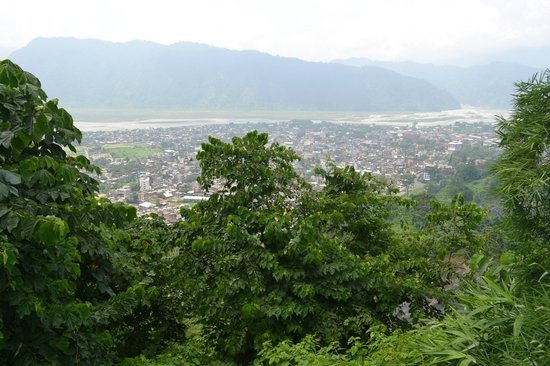
Bhutan is best enjoyed slowly: lingering over valley views, joining simple village walks, and soaking up moments at monasteries. This 12-day itinerary is designed to be unhurried yet complete, combining classic highlights with offbeat experiences so you return feeling grounded and truly acquainted with the Land of the Thunder Dragon.
Quick planning notes before you go
Bhutan has unique entry procedures and a measured tourism approach. Most visitors travel on a licensed Bhutanese tour package or through an authorised agent; make your bookings well in advance. Carry clothing suited to variable mountain weather, and be prepared for moderate altitude—this itinerary allows time to acclimatise. Respect local customs: modest clothing in religious sites, remove shoes as required, and ask before photographing people.
When to travel
- Spring (March–May) for rhododendrons, green valleys and mild weather.
- Autumn (September–November) for clear skies and festival season.
- Winter and monsoon are quieter; winter offers crisp views but chilly mornings.
Permits, transport and health
- Confirm permit and visa requirements with your tour operator. Most visitors book packages that include entry permits, accommodation, guides and transport.
- International flights land at Paro; many itineraries begin and end there. Road travel between towns can be slow due to mountain roads—plan travel times conservatively.
- Drink bottled or boiled water as advised, and pace yourself to avoid altitude discomfort. Consult your doctor about altitude medicines if you have concerns.
Day-by-day 12-day slow Bhutan itinerary
Day 1: Arrive Paro — settle into Bhutanese rhythms
Land in Paro and transfer to your hotel. Spend the afternoon wandering the compact Paro town—visit the National Museum perched above the valley, stroll the small market and stop at a local café. Keep this day easy to adjust to the altitude and take in the calm mountain air.
Day 2: Paro — Tiger’s Nest (Taktsang) and gentle exploration
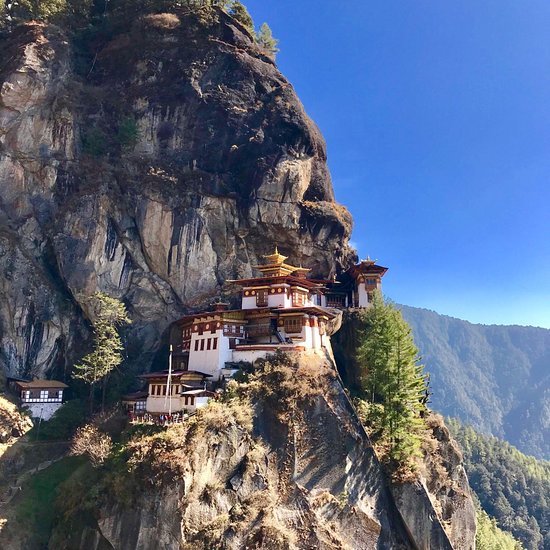
Start early to hike to Taktsang Monastery, Bhutan’s most iconic site. The hike is steep but manageable at a moderate pace; there are resting points and a café midway. Spend time at the monastery complex taking in the views and the silence. Descend slowly and visit Kyichu Lhakhang if time permits—one of the oldest temples in Bhutan.
Day 3: Paro to Thimphu — scenic drive and city orientation
Drive to Thimphu (around 1–2 hours). After checking in, explore the capital at a leisurely pace. Visit the Buddha Dordenma statue for sweeping valley views, stroll the craft bazaar and observe the colourful local life. In the evening, enjoy a relaxed dinner and a nighttime walk near your hotel.
Day 4: Thimphu — culture, crafts and local life
Dedicate a full day to Thimphu’s cultural sites without rushing. Visit the Institute for Zorig Chusum (arts and crafts school), the Textile Museum and the Folk Heritage Museum. Attend a short workshop or demonstration of weaving or carving if available. Keep the pace unhurried—sip tea, chat with artisans and watch daily life flow by.
Day 5: Thimphu to Punakha — river crossing and temple visits
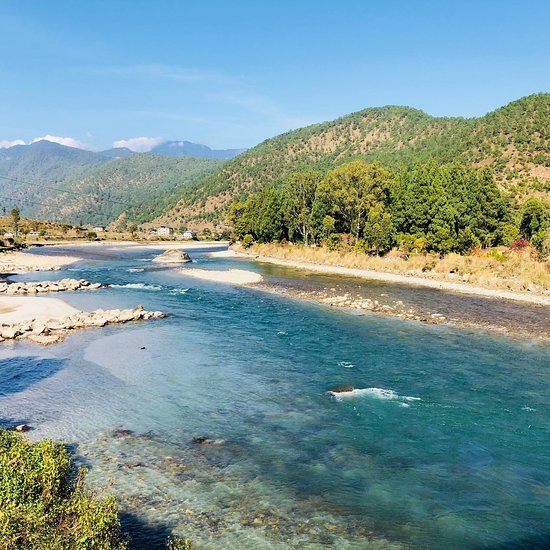
Drive over the Dochula Pass—on clear days there are magnificent mountain panoramas. Descend into the fertile Punakha valley and visit the Punakha Dzong, set majestically at the junction of two rivers. Take a slow walk across the traditional cantilever bridge and soak up the peaceful river valley atmosphere.
Day 6: Punakha — simple hikes and village time
Enjoy a gentle hike to Chimi Lhakhang (the fertility temple) or explore the rice terraces and nearby villages. Arrange to meet a local family or a farmer for insight into rural life, agriculture and local cuisine. This day is about connection and the slower rhythms of valley living.
Day 7: Punakha to Gangtey (Phobjikha Valley)
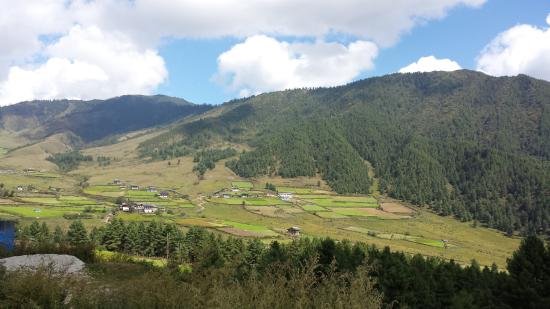
Travel to the high-altitude Gangtey/Phobjikha valley, a vast U-shaped valley famed for its serene landscapes and wetlands. Spend the afternoon walking the broad valley floor and visit Gangtey Monastery. The valley’s serene, open character is a delightful contrast to the steep-sided valleys elsewhere in Bhutan.
Day 8: Gangtey — nature walks and birding
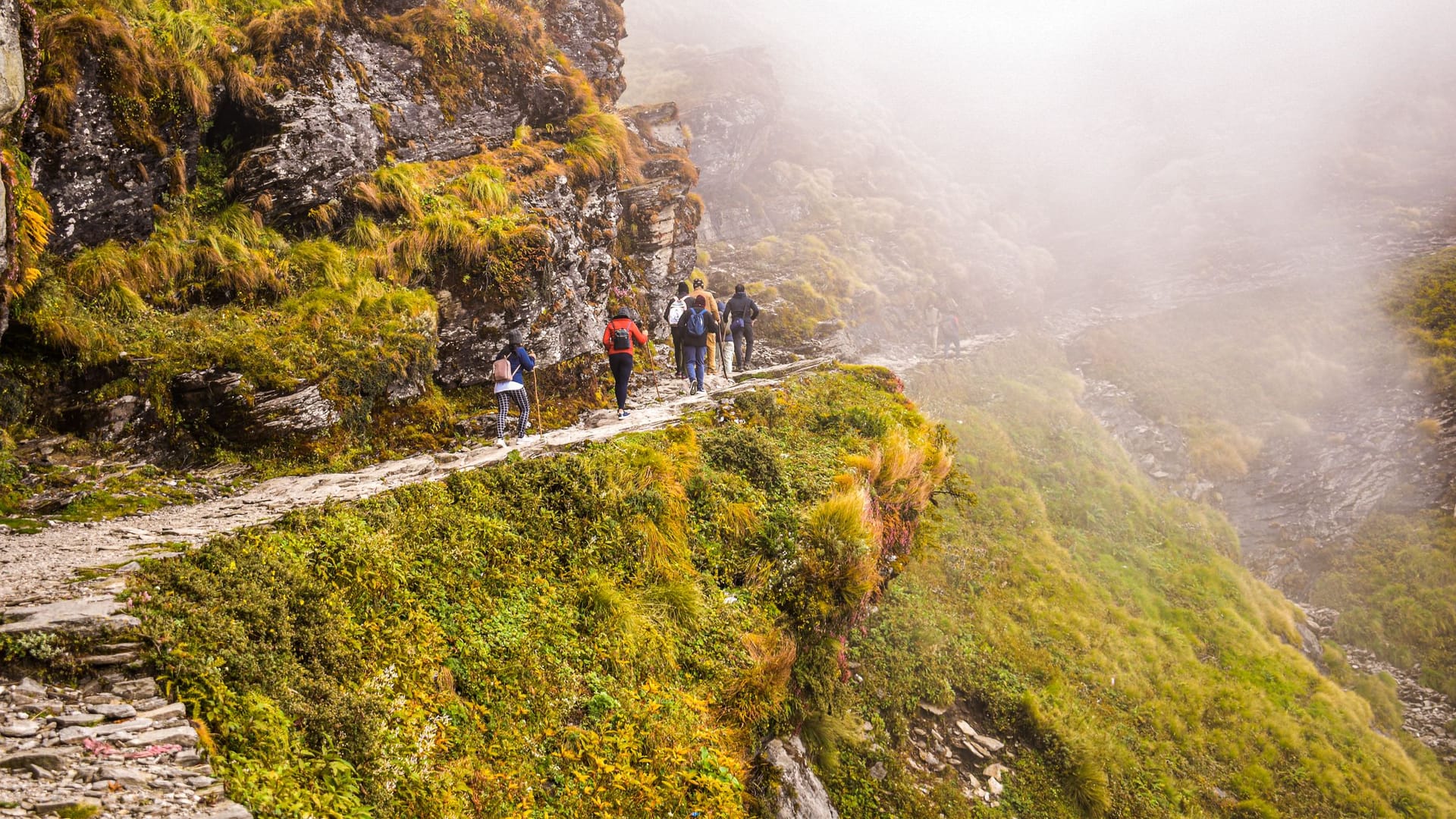
Spend a relaxed day exploring. Gentle guided walks through marshlands and pine forests are ideal. If you enjoy birding, look for species typical of central Bhutan. The valley is also a wonderful place to read, sketch or practise meditation with long valley views as your backdrop.
Day 9: Gangtey to Trongsa — historic hill town
Head to Trongsa, a historic town with a dramatic dzong that dominates the ridge. Trongsa’s compact museum and the nearby watchtower provide context on Bhutan’s regional history. Take an easy-paced walk through the town streets and enjoy panoramic views across the valleys.
Day 10: Trongsa to Bumthang — heartland of culture
Continue to Bumthang, one of Bhutan’s most culturally rich regions. The drive itself is scenic; arrive at your lodge and relax. In the afternoon, visit Kurjey Lhakhang and Jambay Lhakhang—temples that are centres of religious life. Slow down and spend time in prayer halls and courtyards observing rituals and iconography.
Day 11: Bumthang — valley walks and rural immersion
Spend the day exploring the four Bumthang valleys—walk through alpine meadows, visit small family-run breweries that make local alcoholic drinks, and meet potters or weavers if available. This is a day to savour local foods and landscapes at a gentle pace; consider booking a traditional Bhutanese meal with a family or a small homestay visit.
Day 12: Bumthang to Paro (or onward) — travel home slowly
Return to Paro by road or domestic flight (depending on your arrangements). Use any remaining time to revisit a favourite spot in Paro, buy handicrafts and reflect on your journey. Allow for relaxed transfer timing—don’t rush the final hours in Bhutan. If your international flight departs from Paro the same day, plan a calm morning and pack with ample time to reach the airport.
Pacing tips and experience ideas for a slow journey
- Limit long drives: Mountain roads are scenic but tiring. Aim for no more than one long transit day followed by a rest or immersive local day.
- Savour local food: Try ema datshi (chilli and cheese stew) alongside milder vegetable dishes. Sampling local breads and teas at village teahouses gives insight into daily life.
- Meet locals: Ask your guide to arrange a visit with an artisan, farmer or monk—these encounters are often the most memorable.
- Festival planning: If possible, include a tsechu (local festival) in your dates—watching masked dances is a vivid cultural experience, but expect crowds and plan lodging early.
- Slow mornings: Build unhurried mornings into your itinerary. Many monasteries are peaceful at dawn and late afternoon, and valley light is wonderful for photography and reflection.
Packing checklist for a slow-paced Bhutan trip
- Layered clothing—warm mornings and cool evenings are common.
- Comfortable walking shoes for village and monastery paths.
- Sunscreen, sunglasses and a hat for high altitude sun.
- Reusable water bottle and basic first-aid items; any prescription medicine.
- Modest clothing for religious sites; scarf or shawl for temple visits.
- Small daypack for hikes, camera and binoculars for valley views.
Slow travel in Bhutan is not only about seeing places—it’s about allowing time to listen, observe and be present. Move at the pace of the valleys and you’ll leave with a deeper sense of the country.
Practical considerations and final advice
Book transport and accommodation through a licensed operator and keep copies of permits and ID with you. Mobile connectivity varies—use the downtime for reading or journaling. Respect local rules in monasteries: speak softly, follow your guide’s instructions, and avoid pointing your feet at sacred objects. Finally, embrace simplicity—Bhutan rewards travellers who enter with curiosity, patience and respect.
With this 12-day slow itinerary, you’ll cross the country’s cultural and ecological heartlands without the rush. Take your time at each stop, listen to local stories, and let the mountain silence shape your journey.
Safe travels and may your Bhutan journey be calm, enriching and memorable.