10-Day Sikkim Itinerary: East, North, West and South Sikkim in One Trip
A practical, day-by-day 10-day itinerary to explore East, North, West and South Sikkim, covering Gangtok, Nathula, Lachen, Lachung, Pelling, Namchi and key experiences with permits, travel tips and packing advice.
By TravMe Holidays travel team · · Updated · 6 min read
Sikkim’s compact size hides dramatic alpine landscapes, ancient monasteries, rhododendron forests and high-altitude lakes. This 10-day route stitches together the best of East, North, West and South Sikkim so you can experience the state’s cultural heartlands, Himalayan panoramas and lesser-known valleys without rushing.
Overview and planning essentials
Before hitting the road, note a few essentials: the nearest airport is Bagdogra (West Bengal) and the main railhead is New Jalpaiguri (NJP). From both, shared cabs, pre-booked taxis or private transfers to Gangtok take roughly 4–5 hours depending on traffic and road conditions. Domestic and foreign travellers should plan permits — Indian citizens require an Inner Line Permit for certain restricted zones, while foreign nationals need a Protected Area Permit (PAP). Permits can be obtained online or via the local Sikkim tourism offices. Altitude gain is quick on this itinerary; allow time to acclimatise and be alert for symptoms of altitude sickness.
When to go and what to pack
The best months are March–May (spring blooms, clear skies) and September–November (post-monsoon clarity). December–February can be very cold, especially in North Sikkim, with some high passes closed in heavy snow. Pack in layers: warm down jacket, fleece, thermal base layers, sturdy walking shoes, sun protection, lip balm and a lightweight rainproof shell. Carry personal medicines, a small first-aid kit, spare batteries/power bank and copies of permits and ID.
Day-by-day 10-day itinerary
Day 1 — Arrival to Gangtok (East Sikkim): settle in and acclimatise
Arrive at Bagdogra or NJP and drive to Gangtok (1,650 m). Use this day to relax, hydrate and stroll the MG Road area. If energy permits, visit the Enchey Monastery or the Namgyal Institute for a gentle introduction to Sikkim’s Buddhist culture. Confirm permits for upcoming days and check road conditions to the north.
Day 2 — Gangtok local sightseeing
Explore Rumtek Monastery, the Directorate of Handicrafts & Handloom, and the Do-Drul Chorten stupa. Afternoon options include a visit to the Flower Exhibition (seasonal), a walk in the Pine View or a short cable car ride for a different perspective over the city. Rest early — tomorrow begins the high-altitude leg.
Day 3 — Tsomgo Lake and optional Nathula (East Sikkim)
Tsomgo (Changu) Lake is the highlight of a day trip from Gangtok — its turquoise waters surrounded by rugged peaks are unforgettable. If you have organised permits well in advance, you can extend to Nathula Pass (4,310 m) on the Indo-China border; note that Nathula visits are usually possible only on certain days with military escort and require separate permits and ID checks. Expect cold winds and restricted timings; carry warm clothes and sunscreen.
Day 4 — Drive to Lachen (gateway to North Sikkim)
Leave early for Lachen (2,750 m). The drive is scenic with river valleys and mountain vistas; stops at viewpoints and small villages break up the journey. Overnight in a simple guesthouse or homestay. Keep activity light and hydrate well to prepare for the high, remote valleys ahead.
Day 5 — Gurudongmar Lake and transfer to Lachung
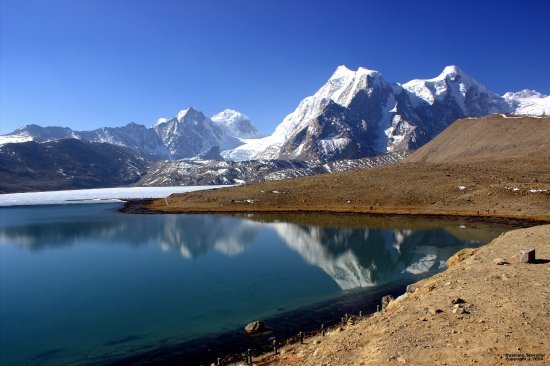
An early start takes you to the sacred Gurudongmar Lake (approx. 5,100 m). Temperatures are low and the air thin — spend brief, respectful time at the lakeside and return to Lachen for lunch. Continue to Lachung (2,700 m) in the afternoon. Overnight in Lachung; enjoy local cuisine and a warm room.
Day 6 — Yumthang Valley and return to Gangtok
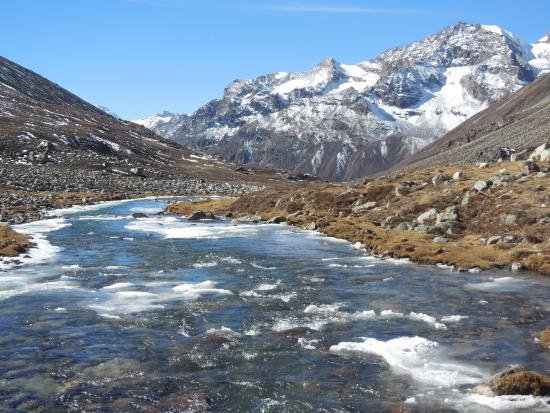
Visit Yumthang (the “Valley of Flowers” when in bloom) and the nearby hot springs at Yumthang. Depending on season and road status, you may detour to Zero Point for a more rugged snowscape. Drive back to Gangtok in the afternoon and relax after the strenuous northern circuit.
Day 7 — Transfer to Pelling (West Sikkim)
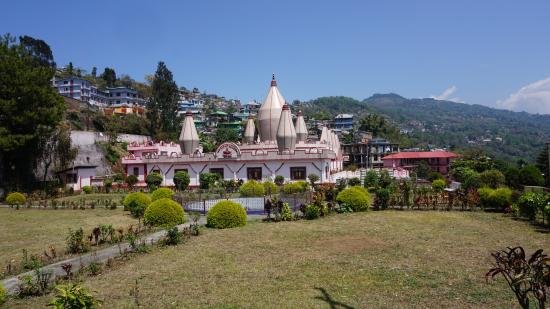
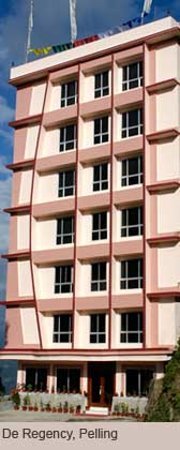
Head west towards Pelling (2,150 m), a town famed for views of the Khangchendzonga range. En route, stop at Namchi or Char Dham for panoramic views and to visit small temples. In Pelling, walk to the helipad for sunset views and prepare for temple and monastery visits tomorrow.
Day 8 — Pelling highlights and nearby sights
Explore Pemayangtse Monastery, Khecheopalri Lake (a sacred wish-fulfilling lake), Rabdentse Ruins and the Skywalk (if open). Pelling offers excellent short hikes through rhododendron forests and viewpoints oriented to the Himalayan range. Sample traditional Sikkimese thenthuk or momo at local eateries.
Day 9 — South Sikkim: Namchi and Ravangla
Drive south to Namchi (1,675 m) to see the colossal Samdruptse statue and the Siddhesvara Dham complex. Move on to Ravangla (1,600–2,000 m) in the afternoon, a quiet hill station popular for birdwatching and serene hikes with views of Khangchendzonga. Overnight in a peaceful homestay or eco-lodge.
Day 10 — Return to Gangtok and depart
Depending on your onward travel plans, return to Gangtok and then further to Bagdogra/NJP for departure. If time allows, stop at Tashiding Monastery or local tea gardens for a relaxed finale. Leave Sikkim with time to spare for your connecting transport, as mountain roads can be unpredictable.
Permits, safety and acclimatisation
Permits: Indian citizens should obtain Inner Line Permits for certain zones; foreign nationals need PAP. Nathula, Gurudongmar and other high border areas usually have separate permit requirements and restricted visiting days; coordinate with your tour operator or district immigration office. Keep photocopies of passport/ID and permits with you at all times.
Altitude & safety: The north reaches very high altitudes rapidly — follow a conservative pace, drink water, avoid alcohol, and rest if you feel dizzy, nauseous or have a severe headache. Carry Diamox only if prescribed by your doctor. Mobile connectivity can be intermittent in remote areas; keep family informed of your plans and travel with a physical map or offline directions.
Transport tips and where to stay
- Transfers: Pre-booked taxis are the most reliable option for this multi-destination itinerary. Shared jeeps are cheaper but offer less flexibility for early starts required in the north.
- Road conditions: Mountain roads vary — expect hairpin bends and occasional landslides during monsoon. Allow buffer time for each transfer.
- Accommodation: Gangtok and Pelling have a range from budget guesthouses to boutique hotels. In Lachen and Lachung, expect basic but cosy homestays; book ahead during peak season.
Food, culture and sustainable travel
Try local flavours: thukpa, momos, gundruk, churpi (Yak cheese) and hearty stews. Sikkim cuisine reflects Tibetan and Nepalese influences, with plenty of vegetarian choices. Respect local customs at monasteries: dress modestly, remove shoes where requested and avoid loud behaviour during prayer times.
Sustainable travel: Sikkim is ecologically sensitive. Avoid single-use plastics, carry a reusable water bottle with purification tablets or a filter, stick to marked trails, and support local homestays and community-run enterprises. Ask permission before photographing locals, particularly inside religious spaces.
Packing checklist (quick)
- Warm layers: down jacket, fleece, thermal wear
- Sturdy walking shoes plus spare socks
- Sun protection: sunglasses, hat, SPF sunscreen
- Permit copies, ID and emergency contact numbers
- Basic medicines, water purification and power bank
Tip: Build one rest day into your plan if possible — acclimatisation makes the high passes far more enjoyable and safer.
Alternative day swaps and extensions
If you prefer fewer high-altitude days, skip Gurudongmar and spend more time around Yumthang or add a day for longer hikes around Pelling. For birdwatchers and trekkers, extend in Ravangla for better access to trekking trails and springtime birdlife. Travellers interested in culture can add time in Namchi to experience festivals and local markets.
Conclusion
This 10-day loop through East, North, West and South Sikkim balances dramatic mountain highlights with cultural immersion and gentle valley time. With careful permitting, steady pacing for altitude, and a readiness for alpine weather, you’ll return with vivid memories of high lakes, snow-fringed passes, serene monasteries and warm mountain hospitality.