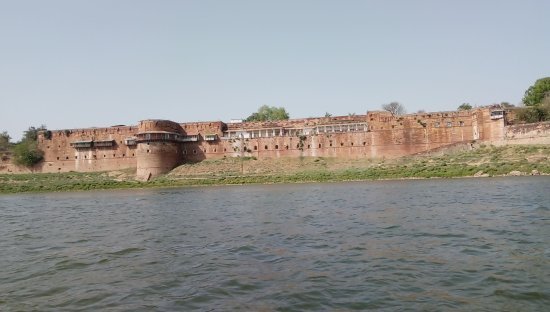
Where to Stay in Varanasi: Ghats, Cantonment or Godowlia?
Choosing where to stay in Varanasi shapes your experience—stay by the ghats for ritual and riverside charm, in Cantonment for calm and colonial comfort, or at Godowlia for markets and nightlife. This guide helps you decide.
By TravMe Holidays travel team · · Updated · 6 min read
Varanasi is an experience more than a destination: a city of dawn prayers, riverboats, narrow lanes and centuries-old rituals. Where you choose to stay will determine how you feel the city — whether you want the electric intimacy of the ghats, the relaxed orderliness of Cantonment, or the bustling convenience of Godowlia. This guide breaks down the pros and cons of each area, suggests who should stay where, and gives practical tips to help you pick the best neighbourhood for your trip.
Quick overview: the neighbourhoods at a glance
Varanasi feels compact but each pocket offers a distinct rhythm. Here are the three most commonly recommended zones:
- Ghats – Riversides like Dashashwamedh, Assi and Manikarnika for ceremonies, boat rides and immediate access to the Ganges.
- Godowlia – The commercial heart near Kashi Vishwanath Temple: busy, central and a practical base for markets and transport.
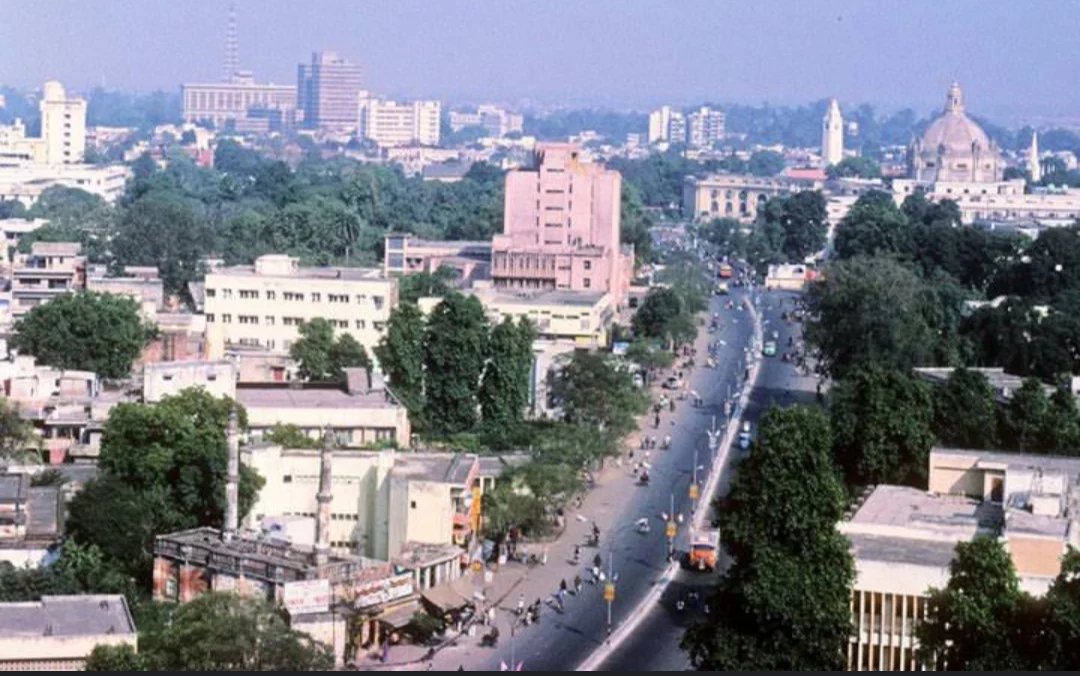
- Cantonment (Chetganj/Luxa) – The calmer, greener zone by the railway and main roads; more spacious hotels and quieter nights.
Stay by the Ghats: immersive, atmospheric, and alive at dawn
Why choose it: If you want to wake up to the sound of bells and conch shells, watch the Ganga Aarti from your balcony and step straight onto a morning boat, staying on or near the ghats is unbeatable. Accommodation ranges from small guesthouses and haveli-style hotels to boutique stays with rooftop views.
Pros
- Unrivalled access to ceremonies, boat rides and sunrise views.
- Walking distance to many temples and historic lanes.
- Lively atmosphere — ideal for first-time visitors who want the iconic Varanasi experience.
Cons
- Very narrow lanes — not ideal if you have heavy luggage or mobility issues.
- Can be noisy and crowded, especially near Dashashwamedh and Manikarnika.
- Some rooms are modest; manage expectations about modern amenities.
Who should stay here
- Photographers and spiritual seekers who want to experience the ghats at dawn and dusk.
- Couples or small groups who enjoy being in the heart of ritual life.
- Travellers comfortable with basic comforts for the sake of location.
Godowlia: central, chaotic and convenient
Why choose it: Godowlia sits close to Kashi Vishwanath Temple and is the commercial pulse of the old city. Staying here puts you near marketplaces, bus stands and a wide range of eating options. It's a practical choice if you want to be centrally located without being right on the ghats.
Pros
- Excellent connectivity to temples, shops and local transport.
- Wider choice of hotels across budgets — from simple lodges to mid-range hotels.
- Great for food lovers; street food and cafes are abundant.
Cons
- Very busy, especially around festival times and mornings.
- The area can feel claustrophobic with honking, crowds and bustling bazaars.
- Not as scenic or peaceful as the ghats or Cantonment.
Who should stay here
- First-time visitors who want a central base with easy access to transport and shopping.
- Short-stay travellers who prioritise convenience over tranquillity.
- People who plan to explore the old city on foot and hop between temples and markets.
Cantonment / Luxa: calm, green and practical
Why choose it: The Cantonment area, sometimes simply called Luxa, is close to the railway station and offers a quieter, more ordered environment with larger hotels, gardens and wider roads. It’s a good choice if you prefer predictable service levels and easier access to road and rail links.
Pros
- More peaceful nights and less claustrophobic streets.
- Hotels often have more space, parking and modern amenities.
- Close to the railway station and the main road network — useful for onward travel.
Cons
- Not within comfortable walking distance of the main ghats; you’ll need to take an auto or rickshaw.
- Less of the old-city charm and fewer atmospheric views of the river.
- Fewer heritage properties and rooftop ghats-facing rooms.
Who should stay here
- Families, seniors and travellers who prefer comfort and quiet.
- Business travellers or long-stay visitors who need better connectivity.
- Anyone arriving late at night or leaving early by train.
Other neighbourhoods worth considering
Beyond the three main options, a few other pockets might suit specific needs:
- Assi Ghat — South of the main ghats; slightly quieter, popular with students and cafe-goers.
- Bhelupur / Banaras Hindu University (BHU) — Green, academic, and good for a quieter local vibe along with eateries and bookshops.
- Sarnath — If your focus is Buddhism and archaeology; quieter and more suburban, about 10–15 km from the city centre.
Practical tips for choosing your hotel
- Prioritise location vs comfort: Decide whether you want to wake up to the ghats or prefer a comfortable room with modern facilities.
- Check accessibility: If you have mobility constraints, choose a hotel with elevator access or stay in Cantonment where streets are wider.
- Look for river-facing rooms: If staying near the ghats, try to book a room with a balcony or rooftop for sunrise and Ganga Aarti views.
- Plan for luggage: Many lanes around the ghats are not vehicle-friendly. Confirm whether the hotel offers porter service.
- Book Aarti experiences in advance: Some rooftop or boat Aarti packages sell out quickly, especially during peak season.
Tip: If you want the ghats' ambience but prefer comfort, choose a boutique hotel that offers shuttle service to the main ghats — you get the best of both worlds.
Safety, cleanliness and staying respectful
Varanasi is generally safe for travellers, but common-sense precautions apply. Keep valuables secure, especially in crowded areas like Godowlia. When visiting temples and ghats, dress modestly and follow local customs — removing footwear where required and being mindful of ongoing rituals. If you plan to take a boat, ensure the operator provides life jackets and check their safety practices.
When to visit and how long to stay
The best months for comfortable weather are from October to March, when mornings and evenings are pleasant for boat rides and walking. Festivals like Dev Deepawali and Diwali are spectacular but bring huge crowds — book well in advance if you plan to visit then. For a meaningful visit without rushing, plan at least two to three nights: one full sunrise boat and ghat time, an evening Aarti, and a half-day trip to Sarnath or local markets.
Final recommendations: who should pick what
- Choose the ghats if you want the quintessential Varanasi experience: rituals, views and immediate river access.
- Choose Godowlia if you want central convenience, easy access to transport and food, and a short walk to Kashi Vishwanath.
- Choose Cantonment if you prioritise quiet nights, larger rooms and proximity to the railway station.
Conclusion
There is no single best place to stay in Varanasi — only the best fit for your travel style. Whether you wake before dawn to glide along the Ganges from a ghatside balcony, navigate the colourful chaos of Godowlia, or rest in the calm of Cantonment, Varanasi rewards curiosity and patience. Choose the neighbourhood that complements how you want to experience the city, book a small number of activities in advance, and leave space to get pleasantly lost in its winding lanes.