Driving from Lucknow to Ayodhya: Route Guide and Stops
A practical driving guide from Lucknow to Ayodhya covering routes, travel time, must-stop attractions, safety tips, food breaks and a suggested itinerary to make your road trip stress-free and memorable.
By TravMe Holidays travel team · · Updated · 6 min read
Driving from Lucknow to Ayodhya is one of Uttar Pradesh’s most rewarding short road trips. Whether you are travelling for pilgrimage, heritage exploration or a relaxed weekend break, the journey of roughly 130–140 kilometres offers good roads, interesting stops and a glimpse into Awadh’s culture. This guide gives you clear route options, recommended stops, practical tips and a sample itinerary to help you plan an enjoyable drive.
Quick overview: distance, time and road types
The drive between Lucknow and Ayodhya typically spans about 130–140 km depending on the exact start and end points. On a straightforward run via NH27/NH330A the journey usually takes around 3 to 4 hours without extended stops. Road conditions are generally good, with a mix of national highways and state roads; expect sections of four-lane highway as well as single carriageway stretches closer to smaller towns.
Best routes from Lucknow to Ayodhya
1. NH27 (via Sultanpur) — the scenic, widely used route
This is the most commonly used and well-maintained route. It takes you east out of Lucknow on NH27, passing through or near Musafirkhana and Sultanpur before turning north towards Ayodhya. Advantages include better signage, frequent eateries and more petrol stations.
2. NH330A (via Bikapur) — a more direct alternative
NH330A links Lucknow with Faizabad and Ayodhya via towns like Bikapur. It can be slightly shorter in distance and less congested outside peak hours. Road quality is generally good but some local stretches may have slower traffic or occasional repair work.
3. Scenic local route (for leisure travellers)
If time is not tight and you prefer a relaxed drive through rural Awadh, combine parts of NH27 with state highways that run close to Ghazipur and smaller villages. This route provides opportunities to explore local markets and countryside but can add time to your trip.
Suggested stops and attractions en route
There are several worthwhile stops between Lucknow and Ayodhya where you can stretch your legs, eat, or sightsee.
- Sultanpur — A convenient midway town with food options and small local markets. The town is a good place for a tea break and restroom facilities.
- Haidergarh — A quiet township where you can find local eateries serving Awadhi snacks. It’s useful as a minor halt for refreshments.
- Bikapur — If you take the NH330A route, Bikapur offers temples and a feel of rural life; small shops sell local sweets and refreshments.
- Faizabad — Just a short drive from Ayodhya, Faizabad has historical sites, bazaars and a wider selection of restaurants. Consider a short detour to explore before heading into Ayodhya.
Must-see places in Ayodhya
Once you reach Ayodhya, set aside time to visit the key temples, ghats and heritage spots that give the city its spiritual significance.
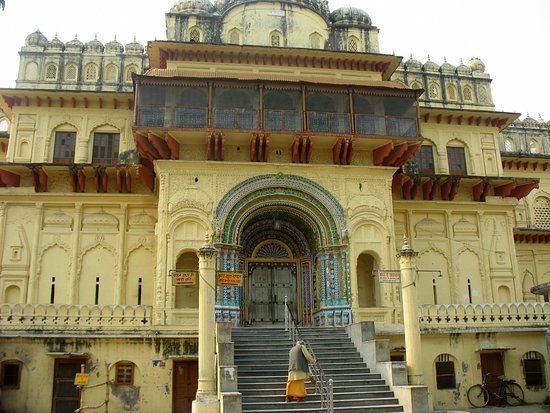
- Ram Janmabhoomi complex — The principal pilgrimage site. Check local guidelines on entry times and security procedures.
- Hanuman Garhi — A prominent temple with panoramic views of parts of the city and a lively atmosphere.
- Dashrath Bhawan and Kanak Bhawan — Historic homes and temples associated with the Ramayana heritage.
- Ghats along the Saryu River — Ideal for early morning or evening visits; enjoy the tranquillity and aarti ceremonies.
Food, fuel and rest facilities
The stretch between Lucknow and Ayodhya has several dhabas, quick-serve restaurants and branded outlets near highway junctions. You’ll find Awadhi specialities—kebabs, biryani, korma—as well as vegetarian thalis and snacks. Petrol pumps are frequent along the main highways; it’s sensible to top up in Lucknow before departure and refill as needed at larger towns like Sultanpur or Faizabad.
Road safety and driving tips
- Start early: Departing in the morning helps you avoid city traffic and reach Ayodhya with daylight left for sightseeing.
- Keep documents ready: Carry driving licence, vehicle RC and insurance. Have Identity proofs for all passengers, especially if staying in pilgrimage accommodations.
- Follow speed limits: Highways have variable speed limits; watch for signage and police checkpoints.
- Watch for slow-moving vehicles: Tractors and animal-drawn carts can appear on feeder roads—reduce speed and overtake cautiously.
- Health and comfort: Pack basic medicines, a first-aid kit and bottled water. Take regular breaks if you’re the only driver.
When to go: seasons and timing
The most comfortable months for a road trip are the cooler seasons, from late autumn through early spring, when daytime temperatures are pleasant. Summers can be hot and humid, making mid-day travel uncomfortable; monsoon rains may affect some local roads though main highways tend to remain passable. For pilgrimage crowds, check festival calendars—major celebrations can increase traffic and accommodation demand in Ayodhya.
Permits, tolls and parking
There are no special permits required for private vehicles on this route beyond standard vehicle documentation. Expect to encounter highway toll plazas along NH27; keep cash or digital payment ready. In Ayodhya, authorised parking is available near major temple complexes, but it can fill quickly on peak days—arrive early or use designated public parking areas and walk or use local transport to reach temple precincts.
Alternate travel options
If you prefer not to drive, there are frequent trains and buses connecting Lucknow and Ayodhya. Private cabs and app-based taxi services provide door-to-door convenience. Trains are economical and reliable for those who want to avoid road traffic; buses offer many timings but can be slower due to intermediate stops.
Sample one-day driving itinerary
- 06:00 — Depart Lucknow after a light breakfast, fuelled and rested.
- 08:00 — Short stop at Sultanpur for tea and snacks; stretch legs for 20–30 minutes.
- 09:30 — Reach Faizabad; quick visit to local markets or a brief temple stop if time permits.
- 10:30 — Arrive Ayodhya; begin with the Saryu ghats and aarti (if timing matches) followed by a visit to the Ram Janmabhoomi complex.
- 13:00 — Lunch at a local restaurant—sample Awadhi cuisine.
- 15:00 — Visit Hanuman Garhi and Kanak Bhawan; take time for photography and rest.
- 17:30 — Depart Ayodhya and return to Lucknow, or stay overnight in Ayodhya to experience evening rituals and avoid late-night driving.
Packing checklist for the drive
- Driving licence, vehicle RC, insurance and ID proofs
- Mobile phone, charger and power bank
- Water bottles, light snacks and medicines
- Cash and digital payment apps for tolls and dhabas
- Comfortable footwear and sun protection (hat, sunscreen)
- Light blankets or shawls for early mornings or cooler evenings
Tip: Plan your temple visits around aarti timings to experience Ayodhya’s spiritual atmosphere and avoid peak crowd hours.
Final thoughts
The drive from Lucknow to Ayodhya is short but rich in cultural and spiritual rewards. With good highways, convenient stops and a compact set of attractions, it makes for an ideal day trip or a relaxed weekend getaway. Plan your timing, keep vehicle documents handy, and allow extra time for unplanned stops—some of the best travel memories are made off the main route.