Where to Stay in Sikkim: Choosing the Right Base Town for Each Region
A practical guide to picking the best base town in Sikkim—Gangtok, Pelling, Lachung, Lachen, Yuksom, Ravangla or Namchi—based on interests like nature, trekking, culture and family travel.
By TravMe travel team · · Updated · 5 min read
Sikkim is compact but wonderfully varied: alpine peaks, mossy forests, tranquil monasteries and winding mountain roads. Choosing the right town as your base will shape your experience—whether you want leisurely sightseeing, high-altitude adventures, or a quiet retreat. This guide breaks down the best base towns by region, travel style and practical considerations to help you plan smarter.
Quick orientation: regions and what to expect
Sikkim is usually described in four broad regions: East (Gangtok), North (Lachung, Lachen), West (Pelling, Yuksom) and South (Ravangla, Namchi). Each region has its own altitude, microclimate and travel rhythm.
- East (Gangtok) — Administrative and cultural hub, easy connectivity, good hotels, restaurants and shops. Ideal for first-time visitors and those wanting organised tours.
- North (Lachung, Lachen) — Rugged, high-altitude scenery, gateway to Gurudongmar, Yumthang and Chopta Valley. Best for nature lovers and acclimatised trekkers.
- West (Pelling, Yuksom) — Classic mountain vistas and heritage trails, quieter than Gangtok with dramatic views of Kanchenjunga and old trade routes.
- South (Ravangla, Namchi) — Lower altitude, pleasant weather, tea gardens, birdlife and fewer crowds—good for families and slow travel.
Gangtok: The all-rounder base
Why choose Gangtok: Best for first-timers, families and travellers who want comfort without sacrificing culture. Gangtok is Sikkim's capital, offering everything from boutique hotels to budget stays, lively markets and good road links to other parts of the state.
Main advantages
- Excellent transport hub with shared jeeps and private taxis to other regions.
- Wide range of accommodations, eateries and medical facilities.
- Close to attractions like Rumtek Monastery, Enchey, MG Marg and Tsomgo Lake (permits required for some trips).
Who should base here
Families, solo travellers, those on short visits and anyone who wants day-trip flexibility and urban comforts.
North Sikkim: Lachung and Lachen for high-altitude thrills
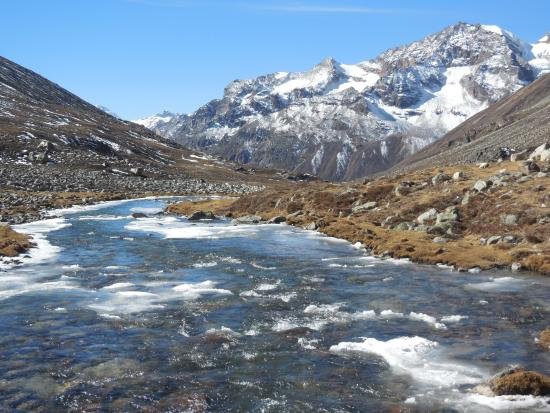
The northern reaches are adrenaline-fuel territory: steep roads, frosted valleys and pristine high-altitude lakes. Transport is limited and permits are mandatory for many areas, so planning is essential.
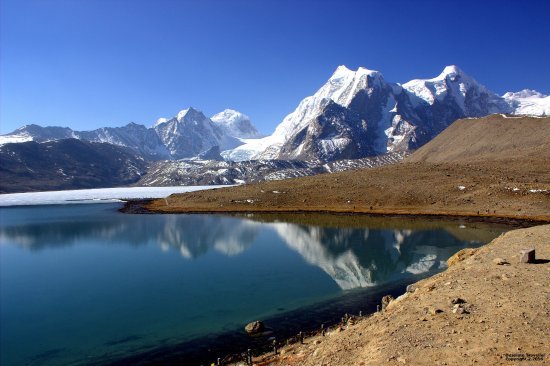
Lachen: Gateway to Gurudongmar
- Best for early starts to visit Gurudongmar Lake and Chopta Valley.
- Basic hotels and homestays. Expect simple meals and rustic charm.
- Good for acclimatisation only if you arrive from a mid-altitude base like Gangtok.
Lachung: Base for Yumthang and Zero Point
- Ideal for flower valleys in spring (Yumthang) and for snow in winter.
- More tourist facilities than Lachen but still limited—book ahead in peak seasons.
Who should base here
Adventure seekers, photographers and serious nature lovers comfortable with simple infrastructure and restricted movement.
West Sikkim: Pelling and Yuksom for tranquillity and views
West Sikkim is where you slow down to savour views and history. Compared with Gangtok and North Sikkim, Pelling and Yuksom offer peaceful hospitality, older trails and an intimate connection to the mountains.
Pelling: Views of Kanchenjunga
- Great for uninterrupted mountain vistas, especially at dawn from viewpoints and monasteries.
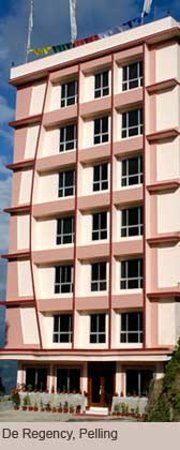
- Range of stays from cosy guesthouses to comfortable resorts.
- Close to sites like Pemayangtse Monastery, Khecheopalri Lake and Rabdentse ruins.
Yuksom: The trekking and historic hub
- Historic coronation site of the first Chogyal and the starting point for many treks into the high ranges.
- Smaller, quieter and more intimate than Pelling; great for multi-day treks.
Who should base here
Photographers, honeymooners, slow travellers and trekkers who prefer a calm, scenic base away from crowds.
South Sikkim: Ravangla and Namchi for mellow stays
South Sikkim is lower and warmer, with verdant hills, tea gardens and birding opportunities. Stays here are relaxed, family-friendly and often more affordable.
Ravangla
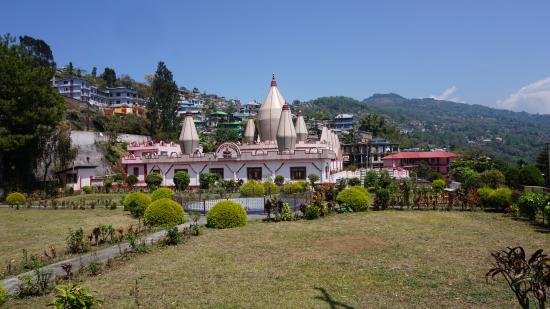
- Peaceful hilltop town with good walks, meditation centres and views of the eastern Himalaya.
- Well-suited to families, yoga retreats and travellers seeking comfort with nature close at hand.
Namchi
- Blend of culture and lesser-known viewpoints; good local markets and easy access from Siliguri.
Who should base here
Families, birdwatchers and travellers seeking a relaxing countryside base with easier access to low-altitude attractions.
Match your base to your travel priorities
Ask yourself these questions before booking:
- What is the trip focus—sightseeing, trekking, photography or rest?
- How much time do you have and how many road hours can you tolerate?
- Do you prefer comforts and dining variety or rustic, off-grid stays?
- Are you travelling with kids, elders or mobility-restricted companions?
Answers will usually point directly to the region: Gangtok for convenience, Pelling/Yuksom for tranquillity, Lachung/Lachen for high-altitude exploration and Ravangla/Namchi for relaxed countryside stays.
Practical tips for choosing accommodation
- Book according to season. North Sikkim has narrow seasonal windows; peak spring and autumn need early bookings.
- Check inclusion of permits and transfers. Many northern excursions require special permits and often include driver/taxi charges in package tours.
- Altitude and acclimatisation. Don’t jump straight to North Sikkim from low altitudes; spend a night or two in Gangtok or Pelling to acclimatise.
- Connectivity. If you need reliable internet or medical access, Gangtok and some resorts in Pelling/Ravangla are safer choices.
- Local experience matters. Homestays and small guesthouses often provide the warmest hospitality and local insights, especially in Yuksom and Ravangla.
Sample base-focused itineraries
5–6 days from Gangtok (classic)
- Day trips to Rumtek, Tsomgo Lake and Baba Mandir; half-day exploring MG Marg and local markets; optional day to Namchi/Ravangla.
6–8 days combining Gangtok and North Sikkim
- Base in Gangtok for 2 nights, then transfer to Lachen and Lachung to visit Gurudongmar, Yumthang and local villages. Allow buffer days for weather delays.
4–6 days West Sikkim circuit
- Base in Pelling for monasteries and viewpoints; transfer to Yuksom for short treks and heritage walks.
Tip: Travel times in Sikkim are best measured in hours on mountain roads, not kilometres. Keep flexible plans and enjoy slow travel—half the joy is the journey.
Final checklist before booking
- Confirm travel permits for North Sikkim if visiting Lachung/Lachen or Gurudongmar.
- Check cancellation policies—weather and roadblocks can affect schedules.
- Pack layers, sun protection and basic medicines for altitude headaches and cold nights.
- Reserve local transfers in advance if you’re on a tight itinerary.
Choosing where to stay in Sikkim is about matching pace with place. Pick Gangtok for convenience, Pelling or Yuksom for views and heritage, Lachung/Lachen for snow and high valleys, and Ravangla/Namchi for relaxed, low-altitude escapes. With a little planning around permits, acclimatisation and seasonal access, your chosen base will become the perfect launchpad for unforgettable Himalayan memories.