Staying in Lachung vs Lachen: Which Base Suits Your North Sikkim Trip?
Choosing between Lachung and Lachen for a North Sikkim trip depends on your priorities—acclimatisation, proximity to key sights like Yumthang, Gurudongmar, comfort level and travel rhythm. This guide compares both bases to help you decide.
By TravMe travel team · · 6 min read
Nesting amid the dramatic ridges of North Sikkim, Lachung and Lachen both serve as gateways to some of India’s most spectacular high-altitude scenery. Although they sit only a few hours apart, each village offers a different rhythm and practical advantage for travellers planning to visit Yumthang Valley, Gurudongmar Lake, Zero Point and more. This article helps you choose the best base for your trip by comparing accessibility, acclimatisation, attractions, accommodation styles, itinerary flexibility and practical tips.
Quick snapshot: Lachung vs Lachen
Before diving into the details, here’s a short comparison to orient your planning.
- Lachung: Closer to Yumthang Valley and northern valleys; livelier village with more accommodation and food choices; lower altitude than Lachen, making it slightly better for acclimatisation.
- Lachen: Closer to Gurudongmar Lake and Chopta Valley; quieter and smaller with a more relaxed mountain-village feel; higher altitude—expect colder nights and a greater need for acclimatisation.
Getting there and travel logistics
Both Lachung and Lachen are reached via the scenic yet winding roads from Gangtok. The drive takes you through dense forests, mountain passes and river valleys, and road conditions can change quickly with weather.
Travel time and road conditions
From Gangtok, expect a 6–8 hour drive to either village under normal conditions. The road to Lachung is slightly more frequently serviced by tourist traffic, so you may find more frequent public jeeps or shared taxis early in the season. The stretch beyond Lachung to Lachen is narrower and higher in parts, with switchbacks that require cautious driving—allow extra time when planning day trips.
Permits and timings
Travel to North Sikkim requires a Restricted Area Permit (RAP) for Indian nationals and Protected Area Permit (PAP) for foreign nationals. These are typically arranged through travel agents, hotels or by applying online where available. Permit rules and checkpoint timings are strict—Gurudongmar trips often start very early due to permit and weather constraints.
Altitude and acclimatisation
Altitude is one of the key practical differences between the two bases.
- Lachung is situated at a moderately high altitude, often a bit lower than Lachen. This makes Lachung a slightly gentler first stop for travellers coming from Gangtok and helps with gradual acclimatisation.
- Lachen sits higher and closer to high-altitude attractions. Nights in Lachen can be considerably colder, and if you plan to visit Gurudongmar (which lies at extreme altitude), additional acclimatisation and hydration are essential.
Acclimatise by spending a day at lower elevations, hydrate well, avoid heavy exertion on the first day and consider a rest day in Lachung if you are susceptible to altitude sickness.
Which is better for key attractions?
Both villages are bases for distinct North Sikkim attractions. Your choice should depend on which sights are top priorities.
Best base for Yumthang Valley and Zero Point: Lachung
Yumthang Valley—famous for its rhododendrons in spring, colourful meadows, and hot springs—is closer to Lachung. Early mornings in Yumthang offer gentle light and fewer crowds. Seasonally, the road to Zero Point branches off near Yumthang and is more commonly accessed from Lachung-based excursions.
Best base for Gurudongmar Lake and Chopta Valley: Lachen
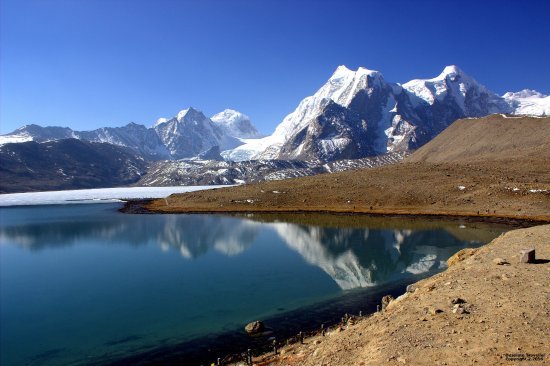
Gurudongmar Lake is typically reached as a day trip from Lachen. Because of the lake’s higher altitude and early start times (to get past snow and permit checkpoints), staying in Lachen reduces travel fatigue. Chopta Valley and Tso Lhamo are also more convenient from Lachen.
Accommodation and dining
Both villages offer a range of lodgings, but the character differs.
- Lachung: More guesthouses, boutique mountain lodges and homestays. It has a livelier main street with bakeries, cafes and options for Indian, Tibetan and simple continental meals. Better choice for travellers who prefer a mix of comfort and variety.
- Lachen: Predominantly homestays and small hotels that focus on hospitality and local cuisine. Dining options are fewer and meals are often fixed, reflecting homestyle cooking—ideal if you want an intimate village experience but less suitable if you seek culinary variety.
Who should pick Lachung?
- Travellers prioritising Yumthang Valley, rhododendron blooms and easier acclimatisation.
- Groups or families who want more accommodation and food choices.
- Photographers seeking sunrise and softer valley light with easier access to meadows.
- Those who prefer a livelier village atmosphere with small shops and cafes.
Who should pick Lachen?
- Visitors whose main goal is Gurudongmar Lake or Chopta Valley—staying in Lachen saves pre-dawn travel time.
- Travellers who prefer quieter, less commercialised stays and authentic homestays.
- Adventure-focused travellers eager to reach higher altitudes quickly, provided they are well acclimatised.
- Those who want to minimise back-and-forth driving for lake visits and high-altitude excursions.
Sample itineraries
Here are two compact sample itineraries based on a typical 4–5 day North Sikkim trip.
Lachung-focused 4-day plan
- Day 1: Gangtok to Lachung—settle in, light walk around the village for acclimatisation.
- Day 2: Day trip to Yumthang Valley and Zero Point; return to Lachung by evening.
- Day 3: Leisure morning in Lachung; drive to Lachen in the afternoon (optional) or continue exploring local trails.
- Day 4: Transfer back to Gangtok via scenic stops.
Lachen-focused 4-day plan
- Day 1: Gangtok to Lachen—relax and acclimatise, short village walk.
- Day 2: Early morning trip to Gurudongmar Lake; return to Lachen and rest.
- Day 3: Day trip to Chopta Valley or transfer to Lachung for evening (if including Yumthang).
- Day 4: Drive back to Gangtok.
Practical tips and packing essentials
- Carry layered clothing: temperatures can swing widely between day and night.
- Bring basic medicines for altitude sickness, motion sickness and common cold; consult your doctor beforehand.
- Pack sturdy walking shoes, sunscreen, sunglasses and a good thermos for hot drinks.
- Cash is useful—ATMs are scarce. Keep emergency contact numbers and copies of permits handy.
- Respect local customs—ask before photographing people and private homes, and follow local guidance on waste disposal.
Connectivity and seasonality
Mobile network coverage is patchy; you may have signal at certain points but not consistently. Winter months bring heavy snowfall and can close roads—many attractions open seasonally depending on snow clearance. Spring (April–June) and autumn (September–November) are typically the most comfortable windows for visiting, while winters offer snow-draped landscapes for those prepared for cold and restricted travel.
Final considerations when choosing your base
Choose Lachung if you want easier acclimatisation, more facilities, and faster access to Yumthang and Zero Point. Choose Lachen if Gurudongmar Lake is the highlight of your trip and you prefer a quieter, more village-centric stay closer to high-altitude start points. If time permits, splitting nights between both villages is an excellent option—it reduces daily travel and gives you the best of both worlds.
Whichever base you select, plan flexibly, prioritise acclimatisation and book permits and accommodation in advance during peak season. North Sikkim rewards patient travellers with rare landscapes, warm mountain hospitality and memories that linger long after you descend.