Where to Stay in Chikmagalur for Coffee Estate Experiences
Experience Chikmagalur's coffee culture by staying on a working estate or at a cosy homestay—perfect for guided plantation walks, cupping sessions and sunrise treks amid misty hills.
By TravMe Holidays travel team · · Updated · 6 min read
Chikmagalur, often called the coffee cradle of India, invites travellers to slow down, breathe the aromatic air and stay where the beans are grown. Choosing the right place to stay can transform a brief visit into a sensory immersion—wake up to the clatter of harvesting, sip filter coffee on a veranda and learn the craft of roasting from local growers.
Why stay on a coffee estate?
Estate stays offer more than accommodation: they are living classrooms. Unlike hotels, plantation stays provide direct access to the coffee cycle—cultivation, harvesting, processing and cupping. You’ll move beyond postcard views to hands‑on experiences, meet farmers and enjoy farm‑fresh meals that reflect the Malnad culinary tradition.
Main areas to consider in Chikmagalur
Chikmagalur district is compact yet varied in elevation and scenery. Each area has a distinct character; choose based on the kind of coffee experience you want.
Chikmagalur town
Best for accessibility. The town is the natural hub for dining, markets and transport. Many estate stays lie within a short drive, making it a good base for those who want a mix of plantation life and town comforts.
Baba Budangiri and Mullayanagiri foothills
This region is popular for higher elevation estates, cooler nights and early mist. Stays here often adjoin dense shade trees and are ideal for sunrise treks and birdwatching. If you want dramatic hill vistas and quieter estates, look here.
Basavanahalli and Sakrebailu corridor
These rural stretches have working estates with fewer tourist facilities but deep local flavour. Expect simple cottages, warm hospitality and authentic plantation work routines.
Baba Budan Giri road and route to Kemmanagundi
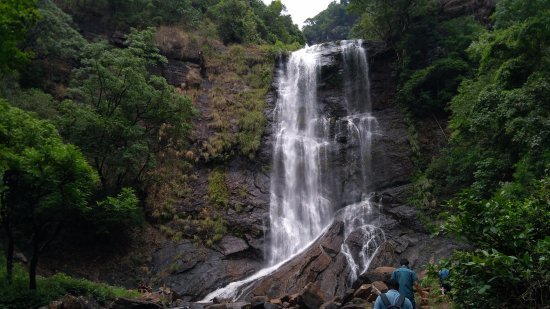
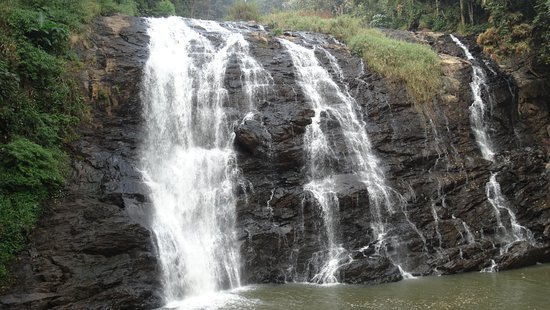
Estates along this scenic route combine coffee experiences with easy access to trekking and waterfalls—suitable for travellers who want outdoor activities alongside plantation life.
Types of stays and what they offer
Accommodation options cater to different preferences and budgets. Here’s what to expect from each category.
Working coffee estates (Plantation stays)
These are the most immersive. Many estates convert an old manager’s bungalow or cottages into guest rooms. Highlights include:
- Guided plantation walks and hands‑on picking during season.
- Visits to pulping and drying areas to understand processing stages.
- Cupping sessions—tastings guided by estate owners or baristas.
- Rustic accommodation, locally cooked meals and limited but charming amenities.
Homestays and farmstays
Run by families or small operators, homestays are excellent for cultural exchange. Hosts often include freshly brewed filter coffee with breakfast and will happily explain regional recipes and farming practices.
Resorts and boutique hotels
For travellers who want estate ambience with modern comforts, resorts near Chikmagalur town and on the way to Mullayanagiri provide leisure facilities, spas and curated plantation experiences without forgoing luxury.
Budget guesthouses
If you’re planning to spend most of your time outdoors and only need a clean, comfortable bed, small guesthouses afford basic stays at lower cost. They are typically closer to town and travel hubs.
What to look for when booking
When choosing a plantation stay, these factors help ensure a satisfying visit:
- Proximity to plantation activities: Confirm whether the estate actively cultivates and processes coffee, and whether guests are allowed to observe or participate.
- Guided experiences: Ask if guided walks, cupping sessions, or roastery visits are included or can be arranged.
- Meals and dietary needs: Estate kitchens often serve regional fare—check if the host can accommodate vegetarian, vegan or other dietary preferences.
- Room types and amenities: Verify bathroom facilities, heating if needed, and Wi‑Fi availability if you must stay connected.
- Transportation and access: Some estates are down narrow roads; check vehicle access and whether transfers from Chikmagalur or the nearest railway station are provided.
- Seasonality: Coffee harvesting is seasonal—plan according to whether you want to witness picking, pulping or dry milling.
Activities to include during your stay
A well‑chosen estate stay will offer a range of activities—here are the ones to prioritise.
Plantation walks and birdwatching
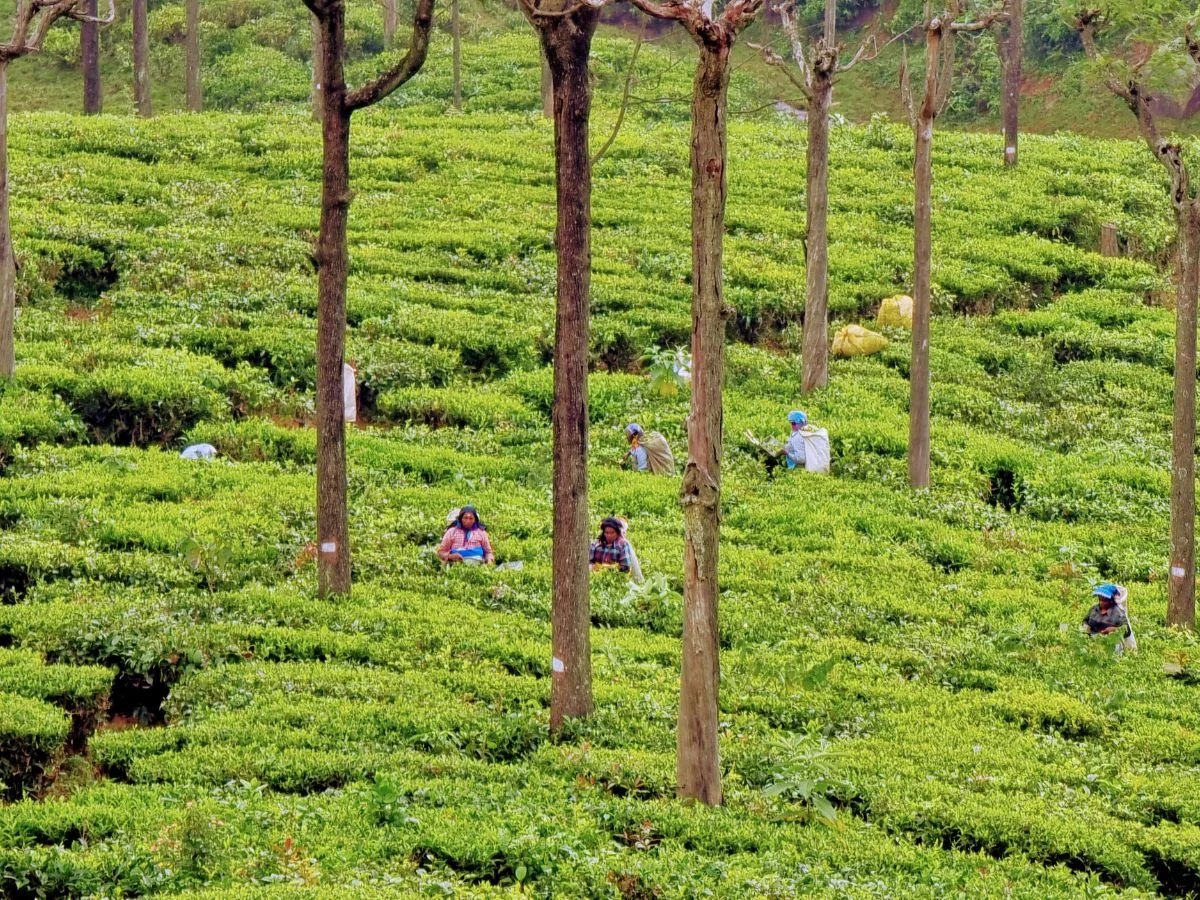
Early morning or late afternoon walks reveal the understorey plants, shade trees and birds that thrive in coffee country. Carry binoculars; you may spot endemic species and colourful sunbirds.
Cupping and roasting demonstrations
Cupping is the coffee‑world equivalent of tasting wine—learn to identify aroma, acidity and body. Many estates also demonstrate traditional roasting methods and modern approaches.
Hands‑on harvesting and processing
Depending on the season you visit, hosts may let you try selective picking or show you pulpers and drying trays. These experiences are respectful, supervised and offered with local context.
Trekking and waterfalls
Combine your coffee experience with treks to Mullayanagiri or short hikes to nearby waterfalls. Estate hosts often suggest routes and provide packed breakfasts for early starts.
Local food and cooking experiences
Ask your hosts for Malnad recipes—simple stews, akki rotti and local sweets pair wonderfully with filter coffee. Some homestays offer cooking demonstrations.
Best time to visit
Chikmagalur is pleasant year‑round, but your priorities determine timing:
- September to December: Main harvest season—best for seeing coffee cherries and post‑monsoon greenery.
- January to March: Cooler, clear skies—ideal for trekking and photography.
- June to August: Monsoon brings dramatic mists and lush landscapes; some estates may have limited access during heavy rains.
Practical tips and etiquette
Respectful conduct ensures good relations with estate owners and workers:
- Ask before entering working areas—many processes are labour‑intensive and time‑sensitive.
- Take photographs only with permission, especially of workers.
- Wear sturdy shoes for walks and modest clothing when visiting rural homesteads.
- Carry cash, as small vendors and remote stays may not accept cards.
- Support local economy by buying estate coffee and artisan products directly from hosts.
Staying on a coffee estate is as much about learning as it is about leisure—bring curiosity and an appetite for fresh filter coffee.
Sample 2‑day plantation stay itinerary
Here’s a compact itinerary that balances activity and relaxation for a weekend visit.
- Day 1: Arrival and orientation; afternoon plantation walk; evening cupping session and Malnad dinner.
- Day 2: Pre‑dawn trek to catch sunrise over the hills; hearty breakfast; visit processing unit and try roasting; depart after lunch.
How to book and reliable booking tips
Book directly with estates when possible—this supports owners and often secures personalised experiences. Use established platforms and read recent reviews for specifics about inclusions. If you prefer an agent, request clear inclusions: transfers, meals, guided activities and cancellation policies.
Safety and accessibility
Chikmagalur is generally safe for travellers. Inform your host of arrival times, especially for late check‑ins. If you have mobility concerns, discuss access beforehand—many traditional bungalows have steps and uneven paths.
Sustainability and responsible travel
Many small estates follow sustainable farming practices—shade‑grown coffee, organic inputs and biodiversity corridors. Choose stays that prioritise fair wages and environmental care. Reduce waste, avoid single‑use plastics and respect local customs.
Whether you want to learn the craft of coffee or simply wake up surrounded by bean‑laden bushes, Chikmagalur’s estate stays offer an authentic slice of rural Karnataka. From simple homely cottages to curated boutique experiences, there’s a stay to fit every travel style—make your choice based on the depth of immersion you want, the comforts you need and the activities you prefer.
With a thoughtful choice of accommodation and a willingness to engage, your time in Chikmagalur will be fragrant, slow‑paced and memorable.