South India in July: A Guide to Monsoon Travel in the Hills
July brings the full monsoon spectacle to South India’s hill stations — lush tea gardens, tumbling waterfalls and misty trails. This guide helps you plan a safe, comfortable and memorable monsoon escape in the hills.
By TravMe Holidays travel team · · 6 min read
July is a dramatic, beautiful month to explore the hill stations of South India. The monsoon leaves the landscapes drenched in green, waterfalls at their fullest and cloudplay that changes by the hour. Travelling in the rains needs a little extra planning, but the reward is fewer crowds, lower rates and unforgettable scenery. This guide covers where to go, what to do, how to stay safe and practical tips to make the most of monsoon travel in the South Indian hills.
Why travel to the South Indian hills in July?
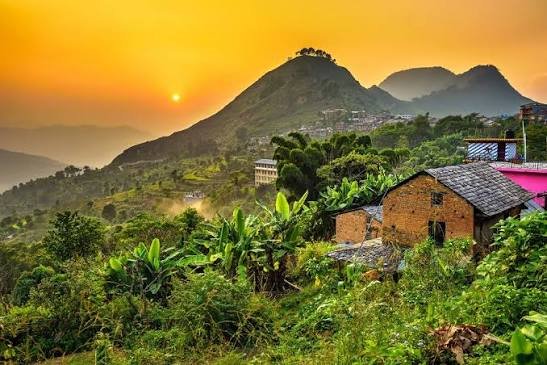
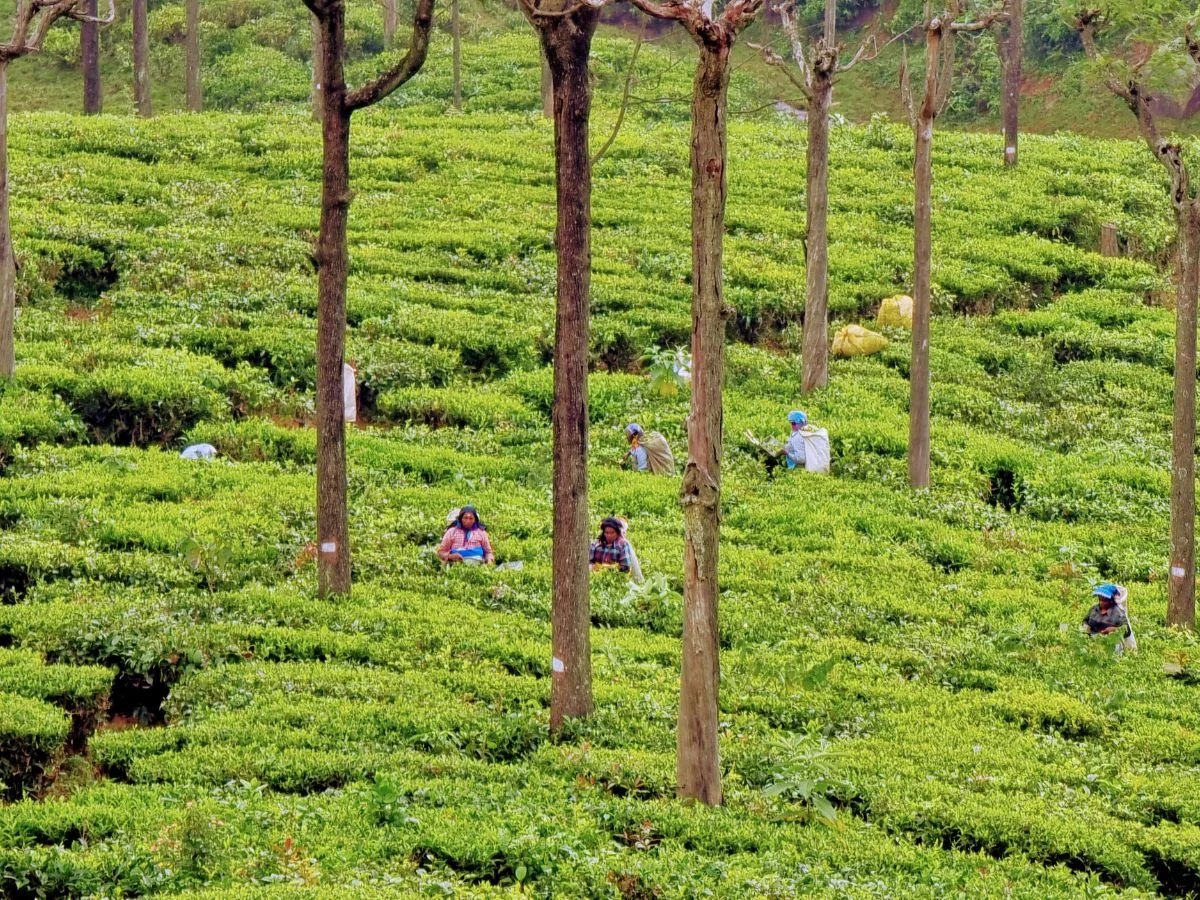
The hills of Kerala, Karnataka and Tamil Nadu come alive during the monsoon. Tea and coffee estates look like velvet carpets, rivers swell into scenic cascades, and the air becomes cooler and intoxicatingly fresh. Photographers, nature-lovers and travellers who enjoy the quieter pace of off-season tourism will find July especially rewarding.
Top hill destinations to consider
Munnar (Kerala)
Munnar’s rolling tea plantations, cloud-wreathed peaks and roaring waterfalls are spectacular in July. Expect mist-shrouded mornings, dramatic skies and listening to rain on tin roofs — classic monsoon ambience.
Ooty and the Nilgiris (Tamil Nadu)
The Nilgiri range is charming during the rains. Ooty’s botanical gardens, viewpoints like Doddabetta and toy train rides are atmospheric in cool, damp weather. Nearby Coonoor offers quieter tea walks and heritage bungalows.
Kodaikanal (Tamil Nadu)
Kodaikanal’s wooded hills, serene lakes and cliffs are particularly scenic. Bring waterproofs for trail walks to places like Coaker’s Walk and Bryant Park; the trails become lush and fragrant after rain.
Mysuru region & Coorg (Karnataka)
Coorg (Kodagu) is a coffee-scented, monsoon-drenched paradise: waterfalls, misty plantations and family-run homestays suit lazy rainy-day plans. Chikmagalur, though a bit drier in parts, also boasts coffee estates and trails that look their best after heavy showers.
Wayanad and Vagamon (Kerala)
Wayanad’s forests, wildlife sanctuaries and paddy fields shine in July. Vagamon is an increasingly popular, lesser-crowded hill getaway with meadows and pine forests — excellent for quiet walks and paragliding (weather permitting).
Yercaud, Araku Valley and lesser-known retreats
Yercaud (Tamil Nadu) and Araku Valley (Andhra Pradesh) are both beautifully green in the monsoon. Consider smaller, offbeat hill villages if you prefer solitude and long nature walks.
Weather and what to expect
July typically brings steady to heavy rainfall in the Western Ghats and associated hill stations. Temperatures are lower than in the plains — daytime highs commonly range from the low teens to mid-twenties Celsius depending on altitude. Evenings can be chilly and damp. Expect:
- Frequent rain spells and intermittent sunshine.
- Reduced visibility on high ridges and winding roads.
- Lush vegetation, more waterfalls and higher humidity in lower hills.
Packed essentials for monsoon hill travel
- Waterproof jacket and quick-dry clothing: Breathable rain jackets and microfiber clothes dry fastest.
- Waterproof footwear: Sturdy shoes with good grip and a pair of waterproof sandals for indoors.
- Pack cover and dry sacks: Keep electronics and documents dry.
- Umbrella and foldable rain poncho: Useful for sudden showers and short walks.
- Thermals or warm layers: For chilly nights or higher altitudes.
- First-aid and medicines: Include oral rehydration salts, basic meds for fever, and antiallergy tablets if you’re sensitive to mould.
- Insect repellent: Leech socks or long gaiters can be useful in dense forested trails.
- Powerbank and waterproof phone pouch: Cloudy weather drains batteries faster; carry backups.
Road travel and safety tips
Roads can become slippery, with fallen branches and occasional landslips after heavy rains. Follow these precautions:
- Prefer daylight travel for hilly stretches; avoid night driving where possible.
- Hire experienced local drivers who know mountain roads and current conditions.
- Check weather and road updates before setting out; local police or tourism helplines can advise on route closures.
- Keep a safe distance from the vehicle ahead and drive at moderate speeds on curves.
- If travelling by train, be aware that landslides can cause delays on narrow-gauge hill lines; build buffer time into your itinerary.
Activities suited to the monsoon
Monsoon offers unique experiences that aren’t possible in the dry season:
- Tea and coffee estate walks: Walk between misty rows of tea or coffee plants — post-rain scents and colours are unforgettable.
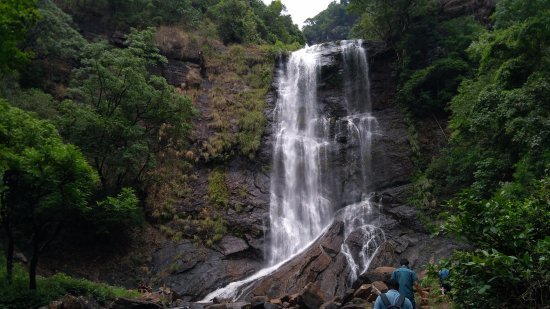
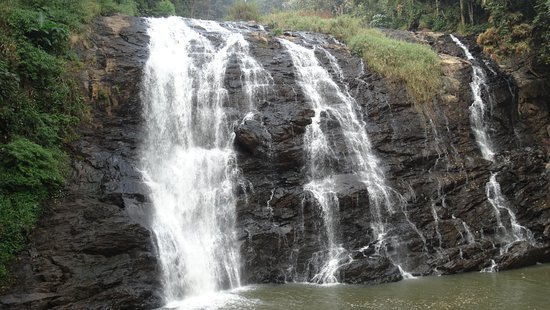
- Waterfall visits: Most falls are at peak flow; view from safe vantage points rather than getting too close.
- Birdwatching: The rains bring out migratory and resident birdlife; carry binoculars and a waterproof guidebook.
- Forest treks: Short guided treks are possible in many sanctuaries—always go with a guide who knows local trail conditions.
- Wellness stays: Many resorts and homestays offer spa and traditional Ayurveda treatments — perfect for cosy monsoon days.
Where to stay: choosing accommodations
In July you’ll find a good range of options: boutique resorts, colonial bungalows, coffee estate homestays and luxury hotels. Consider:
- Homestays and plantation bungalows for an authentic, personalised experience and local food.
- Resorts with indoor amenities (spa, library, indoor games) for comfort when rain limits outdoor plans.
- Confirm that accommodations have proper drainage and safe access during heavy rains; check recent reviews for notes on monsoon preparedness.
Health, hygiene and local customs
The humid, wet season increases the risk of water-borne and vector-borne illnesses. Take common-sense precautions:
- Drink bottled or boiled water and avoid raw salads from uncertain sources.
- Use mosquito repellent, and sleep under nets in more rustic stays.
- Carry a basic medical kit and consult a doctor before travel if you have chronic health issues.
- Respect local customs — many hill communities are conservative and hospitality-oriented; greet hosts and ask before photographing local people or rituals.
Travel note: Monsoon travel rewards patience. Expect some itinerary changes, but you’ll be rewarded with dramatic landscapes, solitude and the lushest views of the year.
Sample 6–8 day hill itinerary ideas
Itinerary A — Kerala hill circuit (6 days)
- Day 1–2: Arrive and settle in Munnar — estate walks and Eravikulam (viewing points).
- Day 3–4: Transfer to Wayanad — explore waterfalls, paddy fields and short nature treks.
- Day 5–6: Drive to Vagamon or Thekkady for spice estate visits and boat rides (check water levels).
Itinerary B — Tamil Nadu & Karnataka mix (7–8 days)
- Day 1–2: Ooty and Coonoor — toy train, botanical gardens and tea walks.
- Day 3–4: Kodaikanal — lake walk, viewpoint trails and relaxed evenings.
- Day 5–8: Coorg or Chikmagalur — coffee estate stays, short treks and waterfalls.
Photography tips for monsoon hills
- Use lens hoods and carry microfibre cloths to wipe raindrops; consider weather-sealed gear or protective covers.
- Capture the mood with wide-angle shots of misty valleys, and close-ups of raindrops on foliage.
- Golden hours are dramatic when clouds break; be ready for sudden light shifts.
Festivals and local experiences in July
July may coincide with local temple festivals, harvest observances and cultural events in hill communities. These are often low-key compared to the big city festivals but offer authentic glimpses into local traditions. Check with local tourism offices or your host to know what’s on during your stay.
Final planning checklist
- Confirm road conditions and whether your chosen routes are open.
- Book flexible accommodation and transport that allow date changes.
- Pack waterproof and warm layers, power backup and a basic medical kit.
- Plan activities with local operators who understand monsoon dynamics.
Travelling to South India’s hills in July is for those who appreciate mood, solitude and nature at its most vibrant. With smart planning, the monsoon can transform a familiar hill station into a wild, cinematic landscape. Embrace the rain, move slowly, and you’ll carry vivid memories — the sound of waterfalls, misted valleys and steaming cups of local coffee — long after the season moves on.
Happy monsoon travels — and travel safer, travel thoughtfully.