Where to Stay in Ayodhya: Areas Close to the Main Temples
A practical guide to choosing where to stay in Ayodhya, focusing on neighbourhoods within easy walking or short drives of the city's main temples, with tips for pilgrims, families and elderly travellers.
By TravMe Holidays travel team · · Updated · 8 min read
Ayodhya has always been a city shaped by devotion. When planning your stay here, proximity to the main temples makes a big difference — whether you want to be first in line at the Ram Mandir at dawn, spend quiet evenings by the Sarayu, or hop between Hanuman Garhi and Kanak Bhawan with minimal travel. This guide walks you through the best neighbourhoods and accommodation options close to Ayodhya's principal shrines, practical tips on what to expect, and how to choose the right base for your visit.
Why location matters in Ayodhya
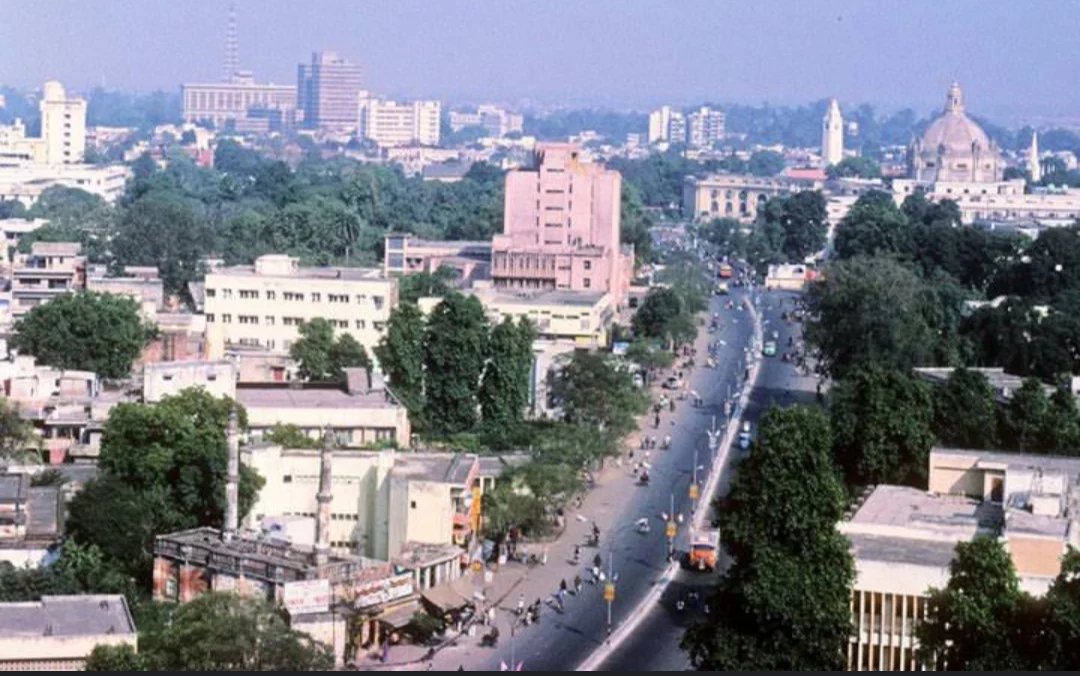
Ayodhya is compact but densely spiritual: temples, ghat steps and market lanes are concentrated in the old city, while larger roads and modern amenities sit a little further out. Choosing where to stay impacts:
- Temple access: Many pilgrims prefer being within walking distance of main temples to participate in early morning aartis and evening prayers.
- Noise and crowd levels: The area closest to major temples can be lively and crowded, especially during festivals and weekend mornings.
- Transport convenience: If you plan excursions to nearby towns or prefer private transfers, proximity to the bus stand or railway station matters.
- Facilities and comfort: Budget dharamshalas are common near the ghats, while mid-range hotels with modern amenities are located near the main thoroughfares.
Key temples and pilgrimage points to consider
Before choosing a neighbourhood, familiarise yourself with Ayodhya's main temples and ghats. These destinations usually determine where pilgrims prefer to stay:
- Shri Ram Janmabhoomi / Ram Mandir: The most prominent and newly developed pilgrimage complex in Ayodhya.
- Hanuman Garhi: A hill-top shrine dedicated to Lord Hanuman; offers panoramic views of parts of the old city.
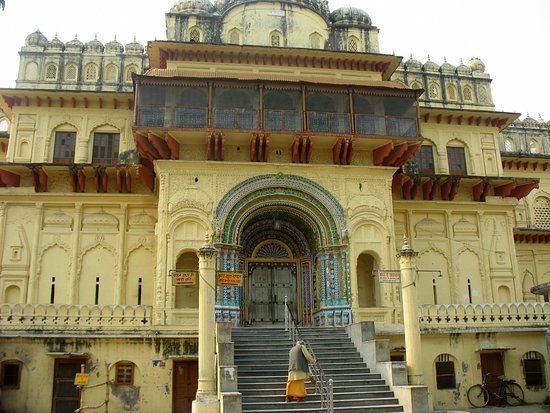
- Kanak Bhawan: An ornate historic temple associated with Lord Rama and Sita, traditionally visited together with other old-city shrines.
- Nageshwarnath Temple: An ancient temple with deep historical connections to the Ramayana legends.
- Sarayu Ghats: The riverfront where pilgrims perform rituals; evening aartis here are atmospheric and central to the Ayodhya experience.
- Treta Ke Thakur and other smaller shrines: Scattered through the old city and often part of a walking pilgrimage route.
Best neighbourhoods to stay in — close to the main temples
Each area listed below offers advantages depending on your priorities: proximity to specific temples, quieter surroundings, family-friendly hotels or budget pilgrim facilities.
1. Ramkot and the Old City (closest to Ram Mandir and ghats)
Ramkot and the surrounding lanes form the historic core of Ayodhya. Staying here puts you within easy walking distance of many principal temples and the Sarayu ghats. This is the neighbourhood for pilgrims who want to be part of the rhythm of devotional life — morning bhajans, temple queues and evening aartis.
- Pros: Unmatched proximity to temples and ghats; many budget guesthouses and simple dharamshalas; vibrant local markets.
- Cons: Narrow lanes, higher noise levels and crowds; fewer upscale hotel options; limited parking for cars.
- Best for: Pilgrims, solo travellers, and those on short, temple-focused stays.
2. Civil Lines and Cantonment Road (comfortable mid-range options)
Civil Lines and roads leading towards the cantonment area are slightly farther from the ancient core but offer a quieter, greener environment. Here you'll find more mid-range hotels, guesthouses with better facilities, and easier vehicle access.
- Pros: Better hotel facilities; quieter streets; easy access for private cars and taxis; suitable for families and older travellers who prefer calmer surroundings.
- Cons: Requires a short drive to reach the main temples; fewer authentic old-city experiences on foot.
- Best for: Families, travellers who want comfort without being too far from temples, and those with mobility needs.
3. Near the Railway Station and Bus Stand (convenient for arrival/departure)
If convenience for arrival and onward travel is a priority, staying near the railway station or central bus stand makes sense. These areas have practical hotels and guesthouses catering to travellers in transit.
- Pros: Easy logistics for early morning departures; plenty of taxis and auto-rickshaws; practical and budget-friendly accommodation options.
- Cons: Not within walking distance of all temples; can be busy with traffic and passengers.
- Best for: Short stays, travellers with tight schedules, and those preferring straightforward transport links.
4. Markets around Chowk and Local Bazaar Areas
Staying around the traditional markets allows quick access to shops selling religious items, prasad and souvenirs. This is a lively option for visitors who want to combine temple visits with local shopping.
- Pros: Close to many small temples and food stalls; good for shopping and experiencing local culture.
- Cons: Crowded, especially during festivals; accommodation ranges from very simple to average.
- Best for: Cultural explorers, shoppers and budget travellers who enjoy being in the middle of activity.
Types of accommodation near the temples
Ayodhya offers a wide range of stays — choose based on comfort, budget and the kind of experience you want.
Dharamshalas and ashrams
These are often the most economical and spiritually focused options. Many are run by religious trusts and are located very close to temple complexes. Facilities can be basic, but they provide an authentic and community-oriented stay.
Budget guesthouses and lodges
Simple private guesthouses are plentiful, especially in the old city and near the railway station. They typically offer private rooms, shared bathrooms in some cases, and straightforward hospitality.
Mid-range hotels and boutique stays
Found mostly along major roads and in Civil Lines, these offer cleaner rooms, attached bathrooms, in-house dining and sometimes family suites. They balance convenience with comfort and are a good fit for longer stays.
Luxury and high-end options
Luxury hotels are limited but available in the region, catering to travellers who expect full-service amenities and quieter environments. These are a short drive from the main temples and can be ideal after a long day of sightseeing.
Choosing accommodation based on your travel needs
Use these considerations to decide where to stay:
- Proximity to specific temple(s): If the Ram Mandir or Hanuman Garhi are the focus, pick a hotel in the old city or Ramkot. For multiple-day trips with quiet mornings, Civil Lines may suit better.
- Mobility and age considerations: Elderly travellers and families may prefer hotels with lift access, private parking and short taxi rides rather than narrow historic lanes.
- Crowd tolerance: If you prefer calm evenings, look beyond the immediate temple precincts; for immersion in ritual life, choose the ghats or Chowk neighbourhood.
- Budget and duration: For overnight stops, budget guesthouses near the station are convenient. For longer pilgrimages, dharamshalas and mid-range hotels offer different balances of cost and comfort.
Practical tips for booking and staying
- Book early during festivals: Major festivals and auspicious dates draw large crowds; secure accommodation well in advance for the best choices.
- Check temple timings and aarti schedules: Morning and evening rituals are central to a pilgrim’s schedule. Staying nearby saves time and queueing.
- Transport arrangements: If staying in narrower lanes, confirm drop-off points for taxis. Many hotels offer pickup from the station or bus stand.
- Safety and comfort: Choose licensed hotels or recognised dharamshalas. Look for basic cleanliness and helpful staff, especially when travelling with family.
- Local food and dietary needs: Many eateries near the old city serve vegetarian fare suitable for pilgrims. If you have dietary restrictions, enquire at the hotel beforehand.
- Respect local customs: Dress modestly at temples; follow footwear rules and be prepared for security checks at major shrine entrances.
Accessibility and mobility considerations
Ayodhya’s historic lanes and ghats are beautiful but can be challenging for those with reduced mobility. Key points:
- Many temples have steps; some larger or modernised shrines may provide ramps or alternate entrances for wheelchairs.
- Discuss mobility needs with your hotel — some can arrange golf-cart shuttles or priority assistance during busy times.
- If you rely on private transport, choose lodging with vehicle access to avoid long walks on uneven paths.
Sample itineraries linked to where you stay
These short outlines show how your base affects daily planning:
- Staying in Ramkot/Old City: Early morning visit to Ram Mandir and Sarayu ghats; breakfast at a local eatery; walk to Hanuman Garhi and Kanak Bhawan; evening aarti at the ghats.
- Staying in Civil Lines: Drive to Ram Mandir for morning darshan; return for a relaxed mid-morning rest; afternoon visit to Nageshwarnath and Treta Ke Thakur; quiet evening in your hotel.
- Staying near railway station: Quick arrival and check-in; short temple circuit covering nearby shrines; use public transport or hired car for longer temple routes.
Tip: For the most authentic experience, mix a night or two in the old city with a quiet stay in Civil Lines — you get devotional energy and comfort in one trip.
Final thoughts
Choosing where to stay in Ayodhya depends on what you want from your visit. If you prioritise being close to the main temples and the pulse of devotional life, the old city and Ramkot are the natural choice. If comfort, accessibility and a quieter environment matter more, Civil Lines and areas near the cantonment offer a pleasant alternative. Consider mixing both styles if your schedule allows — a few immersive nights near the ghats and a restful night or two in a modern hotel can create a balanced, memorable pilgrimage.
Wherever you stay, plan ahead for crowds during peak dates, respect local customs at sacred sites, and allow time to simply sit by the Sarayu and watch the city move through its timeless rituals.