Varanasi, Prayagraj and Ayodhya Circuit: A Complete Planning Guide
Plan a soulful pilgrimage through Varanasi, Prayagraj and Ayodhya with this complete guide covering how to travel, where to stay, top experiences, festival highlights, local food, and practical tips for a smooth trip.
By TravMe Holidays travel team · · Updated · 6 min read
A circuit through Varanasi, Prayagraj and Ayodhya stitches together some of India’s oldest stories, spiritual rhythms and living traditions. Whether you are on a pilgrimage, a cultural tour or simply drawn to the energy of ancient cities on the banks of the Ganges and the Saryu, this guide will help you plan a meaningful, comfortable and hassle-free trip.
Overview: Why this circuit matters
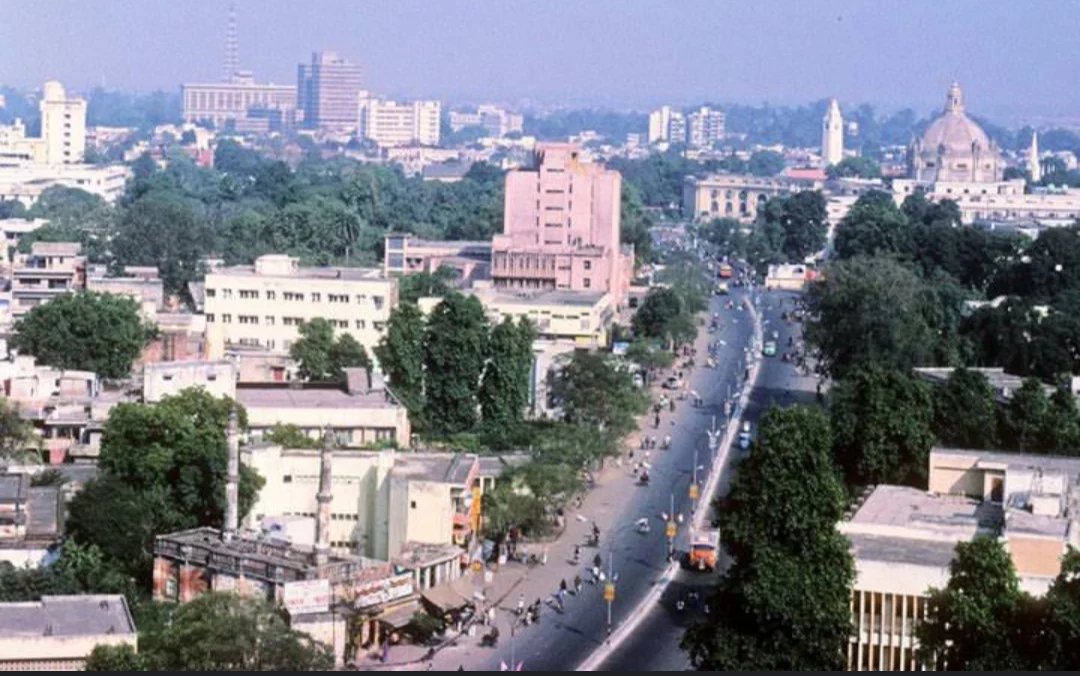
Varanasi (Kashi), Prayagraj (Allahabad) and Ayodhya are linked by faith, history and rivers. Each city offers distinct experiences: Varanasi’s narrow lanes and ghats are about continuous devotion and ritual; Prayagraj combines the confluence of rivers with Mughal and colonial-era architecture; Ayodhya is the legendary birthplace of Lord Rama and a focal point of temple traditions. Together they form a compact circuit that can be covered in a long weekend or an immersive week, depending on how deeply you want to explore.
How to plan your itinerary
Choose your pace and entry/exit points. Most travellers start at Varanasi (international and domestic flights, major rail hub), then go to Prayagraj and finish at Ayodhya, or reverse the route. Typical options:
- 3–4 days: Quick immersion — Varanasi (2 days), Prayagraj (1 day), Ayodhya (half day travel/visit).
- 5–7 days: Comfortable pace — includes sunrise boat rides, temple darshans, riverfront evenings, heritage walks and time to rest.
- 8+ days: In-depth exploration — add nearby temples, rural villages, a yoga or classical music session, and relaxed culinary sampling.
How to get around
By air
Varanasi and Prayagraj have airports with regular domestic connections; Ayodhya also has an operational airport that connects to major cities. Flights shorten travel time but check schedules and book early around festival seasons.
By train
All three cities are well connected by Indian Railways. Overnight trains are a popular choice between Delhi, Lucknow, Varanasi and Prayagraj. Book in advance through official portals or trusted agents.
By road
Private cabs, taxis and state buses link the cities. Road travel offers scenic glimpses of rural Uttar Pradesh. Expect varied road conditions and plan buffer time for travel during peak seasons and festivals.
Top experiences in each city
Varanasi
- Witness the Ganga Aarti at Dashashwamedh Ghat — an evening ritual of lamps, chants and laconic splendour.
- Take a dawn boat ride to see sunrise, morning prayers and bathing rituals along the ghats.
- Explore the old city by foot: Kashi Vishwanath Temple, narrow lanes, silk weavers and classic tea stalls.
- Attend a classical music recital or a spiritual discourse; Varanasi is a hub for Hindustani music and Sanskrit scholarship.
Prayagraj
- Experience the Sangam — the confluence of the Ganga, Yamuna and mythical Saraswati — a place of ritual baths and prayers.
- Visit Anand Bhavan and museums to learn about India’s freedom movement connections to the city.
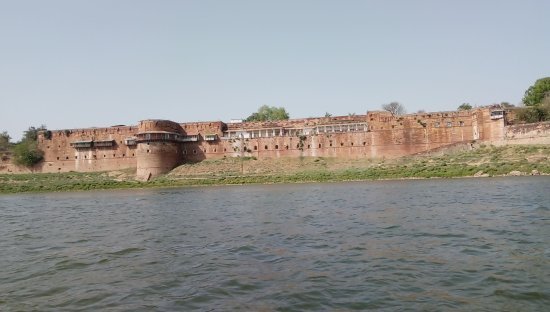
- Stroll the riverfront and explore fort remains, colonial-era architecture and local markets.
Ayodhya
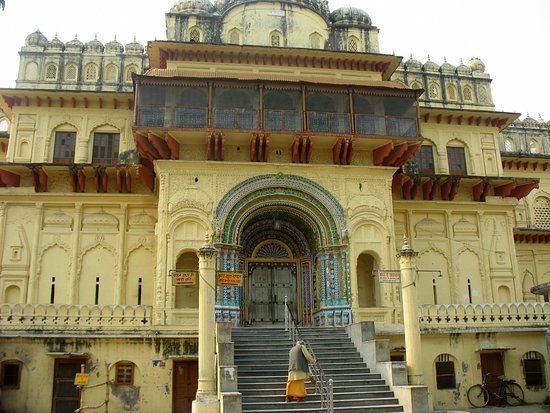
- Visit the Shri Ram Janmabhoomi complex, nearby temples and the serene banks of the Saryu River.
- Attend aarti and participate in bhajans (devotional songs) in the evenings to feel local faith expressions.
- Explore Ram Ki Paidi and nearby heritage sites that connect to the Ramayana’s living traditions.
Festivals and best time to visit
The circuit is active year-round, but climate and crowds vary. Winter months (October–March) are ideal for most travellers — cool days, crisp mornings for boat rides and cultural events. Monsoon brings a lush landscape but can affect river levels and travel. Major festivals:
- Dev Deepawali and Ganga Aarti spectacles in Varanasi — intense crowds, luminous nights.
- Kumbh Mela (Prayagraj) — occurs cyclically and draws millions; plan far ahead if visiting during Kumbh.
- Ram Navami in Ayodhya — large devotional gatherings and special ceremonies.
Where to stay
Choose lodgings based on priorities: proximity to ghats or temples for early morning/late rituals, quiet guesthouses for restful nights, or heritage hotels for a curated experience. Varanasi offers riverside options and pocket-friendly guesthouses in the old city; Prayagraj has comfortable mid-range hotels and guesthouses near the Sangam and central areas; Ayodhya’s accommodation options have expanded with better connectivity, featuring guesthouses and modern hotels near key temples.
Food and local cuisine
Uttar Pradesh’s cuisine is rich, ranging from street snacks to spiritual food traditions. In Varanasi try kachori sabzi, chaat, lassi and the famous Banarasi paan as an after-meal treat. Prayagraj is known for its sweets and traditional Awadhi flavours; sample local mithai and kebabs if available. Ayodhya has a strong sattvic and devotional food culture — many eateries follow vegetarian menus catering to pilgrims. Follow local hygiene cues and prefer busy stalls for fresh food.
Practical tips and etiquette
- Respect places of worship: remove footwear, dress modestly, follow queueing and photography rules.
- Carry a refillable water bottle, but use bottled or filtered water for drinking if unsure about sources.
- Be prepared for crowds at major ghats, Sangam and temple complexes; keep valuables secure and use small daypacks.
- Engage local guides for historical context and to navigate busy lanes — they add value and speed up visits.
- Language: Hindi is widely spoken; a few simple phrases in Hindi will help with navigation and interactions.
Tip: Start early. Dawn hours reveal the most authentic rhythms of river life, quiet rituals and cooler walking conditions.
Safety, health and accessibility
Uttar Pradesh’s major tourist sites are generally safe for travellers, but routine precautions apply: avoid isolated streets late at night, use registered taxis, and inform your hotel about your itinerary. Carry basic medicines, and consult your doctor for any pre-existing conditions. Accessibility varies — some ghats and older temples have steps and limited ramps; enquire ahead for mobility assistance.
Packing checklist
- Modest clothing for temple visits, a shawl or scarf for evenings, comfortable walking shoes.
- Sun protection, a small first-aid kit, hand sanitiser and wet wipes.
- Power bank, photocopies of travel documents, printout of bookings and emergency contact numbers.
Suggested sample 6-day itinerary
- Day 1: Arrive in Varanasi, evening Ganga Aarti at Dashashwamedh Ghat.
- Day 2: Dawn boat ride, Kashi Vishwanath Temple, explore silk weavers and local lanes.
- Day 3: Morning train/drive to Prayagraj, visit Sangam and Allahabad Fort, evening riverside walk.
- Day 4: Cultural sites and museums in Prayagraj, relaxed evening and local cuisine sampling.
- Day 5: Travel to Ayodhya, visit Ram Janmabhoomi complex, evening Saryu aarti.
- Day 6: Explore Ayodhya’s temples, optional nearby excursions, depart.
Conclusion
The Varanasi–Prayagraj–Ayodhya circuit is a compact journey into India’s spiritual core and cultural depth. With a mix of early-morning rituals, historic sites and heartfelt local encounters, the trip rewards slow curiosity as much as it does reverence. Plan with season and crowds in mind, give time to rest between moving legs, and allow the cities to reveal their stories at their own pace.