Tiracol Fort: Visiting Goa's Northernmost Outpost
Perched at Goa’s northern tip, Tiracol Fort offers dramatic views, a slice of Portuguese history and a tranquil escape from the usual beach crowds. Discover how to reach it, what to see, where to stay and practical tips for a seamless visit.
By TravMe Holidays travel team · · 6 min read
Tiracol Fort stands at the very edge of Goa, overlooking the Arabian Sea and the Chapora River. Long a strategic outpost and witness to centuries of coastal rivalry, today it is a peaceful heritage site and a gateway to unhurried northern Goa. Whether you are a history buff, a photographer chasing sunsets, or a traveller seeking quiet beaches, Tiracol rewards you with atmosphere and sweeping panoramas.
Why visit Tiracol Fort?
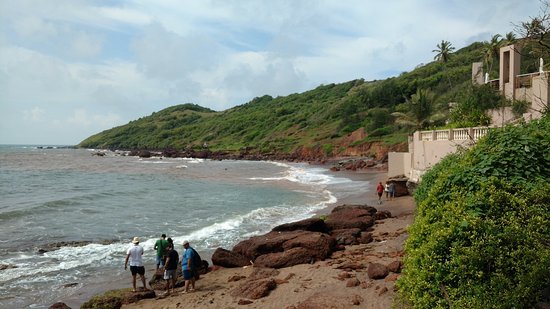
Tiracol’s appeal lies in its combination of history, location and tranquillity. Far from the bustling central beaches, the fort commands a dramatic headland where emerald fields and coconut groves meet the sea. The structure itself—part battlement, part chapel, part colonial home—offers a window into Goa’s Portuguese past and later military significance.
For many visitors, the fort is more than a monument: it’s an opportunity to slow down. From the ramparts you can watch ferries cross the river, spot fishing boats working at dawn and unwind with wide, sea-swept skies as your backdrop.
Getting there
From within Goa
Tiracol is accessible by a short ferry ride from Querim (Keri) on the southern side of the Chapora River. If you are coming from popular hubs such as Mapusa, Panaji or Anjuna, hiring a taxi or driving yourself to the ferry point is the usual route. Roads in this part of North Goa are scenic but can be narrow; allow extra time during peak season and weekends.
Ferry crossing
The ferry crossing to the Tiracol promontory is a highlight in itself. Small boats shuttle visitors across, and the short ride gives you a fresh perspective of the fort and the river estuary. Ferries run at regular intervals during daylight hours, but frequency reduces in the late evening. Always check local timings on the day of travel, especially during the monsoon when services may be restricted.
Alternative overland route
An overland route exists but is longer and less straightforward. If you prefer a scenic drive that avoids the water crossing, ask a local driver for directions—this route will take you through rural countryside and is best undertaken with good local guidance.
What to see at Tiracol Fort
The fort and ramparts
Walk the fort’s stone ramparts to appreciate its defensive design and take in uninterrupted views of the sea and the coastline of neighbouring Maharashtra. The fort’s outer walls and bastions are evocative rather than heavily restored—this lends a pleasing, weathered authenticity to the site.
Chapel and colonial buildings
Within the fort precinct you’ll find a small chapel and a cluster of colonial-era structures. The architecture is modest but charming, with whitewashed walls and arched doorways. These buildings speak to the fort’s dual life as both a military installation and a small community hub during colonial times.
Watchtower and viewpoints
Several vantage points around the fort offer excellent sunset and sunrise views. The cliffs below drop sharply into the sea, making these spots ideal for photographers and landscape lovers. Bring a wide-angle lens if you shoot; the scale and drama of the scene are memorable.
Activities and things to do
- Sunset watching: The west-facing views from the fort are ideal for dramatic sunsets—arrive early to claim a good spot.
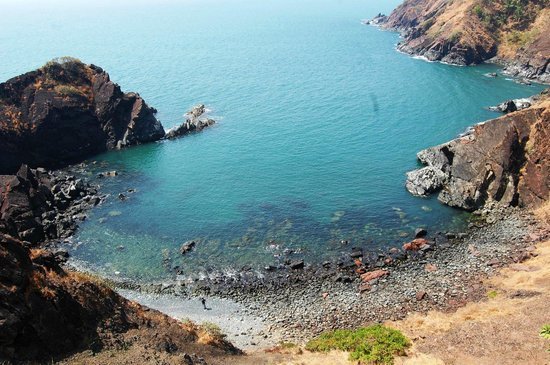
- Beach time: A short walk from the fort leads to quiet, rocky coves and small sandy stretches that are far less crowded than central Goa beaches.
- Birdwatching: The estuary and nearby mangroves attract a variety of coastal birds; carry binoculars for better sightings.
- Photography: The fort’s textures, coastal panoramas and nearby rural scenes are perfect for a leisurely photography session.
- Local food: Small eateries nearby serve fresh seafood and Goan dishes—try local specialties cooked with coconut and kokum if available.
Staying at Tiracol
Tiracol is home to a converted heritage property that offers the rare experience of staying within the fort precinct. Rooms typically blend period features with modern comforts, and waking up to sea views is a common highlight. If you prefer more lively surroundings, base yourself in nearby villages such as Querim or explore accommodations in Arambol and Mandrem which are a short drive away.
Book in advance during high season, and confirm ferry timings with your hotel if you plan to arrive after dark. Staying overnight gives you the advantage of experiencing the fort at quieter hours—early morning and late evening—when day-trippers have left.
Nearby attractions
- Querim (Keri) Beach: A gentle beach with palm groves and relaxed shacks. It’s perfect for a seaside picnic or a slow walk.
- Arambol and Mandrem: Known for bohemian vibes, yoga classes and lively cafés—ideal if you want to combine heritage with a more social beach scene.
- Chapora River and fort: Explore the wider Chapora area, including Chapora Fort to the south, which offers a different viewpoint and atmosphere.
- Local villages: Roaming the nearby hinterland reveals verdant fields, village temples and small markets—great for experiencing rural Goan life.
Practical tips for visitors
To make the most of your visit, keep these practical points in mind:
- Best time to go: The ideal months are November to February when the weather is pleasant and humidity is low. Monsoon months bring dramatic seas but can limit ferry services and walking paths.
- Timing your visit: Arrive in daylight—the cliffs and uneven paths are best navigated with good light. Sunset is popular, but expect more visitors then.
- Footwear: Wear comfortable, sturdy shoes. The fort’s stone surfaces can be uneven and slippery, particularly after rain.
- Water and sun protection: Carry a water bottle, sunscreen and a hat. Shade is limited in parts of the fort.
- Respect the site: Tiracol is part heritage site, part local community. Avoid littering and respect restricted areas.
- Local customs: Dress modestly when visiting chapels or local homes. A light scarf or shawl can be useful for both sun cover and cultural respect.
Safety and accessibility
While Tiracol is safe for most travellers, the exposed cliff edges mean you should exercise caution, especially with children or during high winds. The ferry crossing is short but can be choppy—check conditions if you are prone to seasickness. Accessibility for those with mobility issues is limited; the fort has uneven surfaces and steps that may be challenging without assistance.
Tip: If you want a quieter experience, aim for an early-morning visit. You’ll enjoy softer light, fewer visitors and lively bird activity at the estuary.
How to combine Tiracol with other Goa experiences
Tiracol works well as a half-day or full-day excursion from northern Goa bases. Pair it with a visit to Arambol for boho cafés and sunset bars, or add it to a day of exploring historic forts like Chapora and Reis Magos for a thematic tour of Goa’s maritime past. Food lovers can include a relaxed seafood lunch at a riverside shack in Querim or a beachside café in Mandrem.
Final thoughts
Tiracol Fort is a distinctive corner of Goa: less about nightlife and more about atmosphere, history and coastal tranquillity. It rewards visitors who slow down and take in the views, the buildings and the subtle rhythms of estuarine life. Whether you stop for a few hours or linger overnight in a heritage room, Tiracol offers a memorable escape from the more crowded parts of Goa.
Plan your visit around ferry timings, carry basic supplies and allow time to simply sit on the ramparts and watch the sea. In a state known for its lively beaches and parties, Tiracol remains a quietly captivating outpost for reflection and discovery.
Safe travels and happy exploring—Tiracol waits at the edge of the map, ready to surprise you with its calm and its views.