Cabo de Rama Fort: A Cliffside Fort in South Goa
Perched on a dramatic headland in South Goa, Cabo de Rama Fort offers sweeping Arabian Sea views, evocative ruins and quiet beaches — a perfect mix of history, nature and photography opportunities.
By TravMe Holidays travel team · · 6 min read
Cabo de Rama Fort is one of Goa's most atmospheric coastal forts. Less crowded than the more famous forts in North Goa, Cabo de Rama rewards travellers with crumbling ramparts, panoramic sea vistas, a sense of solitude and easy access to some lovely southern beaches. This guide will help you plan a meaningful visit—whether you are a history buff, a photographer, or simply in search of peaceful cliffs and sunlit horizons.
A brief history of Cabo de Rama Fort
Perched on a rocky promontory overlooking the Arabian Sea, Cabo de Rama has seen successive waves of occupants. Local traditions associate the site with the epic figure Rama; later it figured in regional power struggles between local rulers, the Bijapur Sultanate and the Portuguese. The Portuguese enlarged and fortified the site, using its strategic height and sea access to control trade and coastal approaches. Over time the fort changed hands and functions, including use as a prison during colonial times. Today its weathered ramparts and scattered structures give visitors a tangible sense of layered history.
Why visit Cabo de Rama?
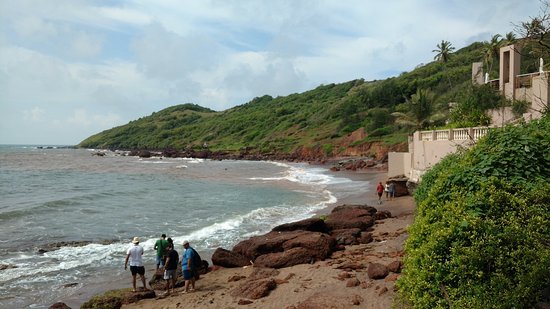
- Sweeping panoramas: The fort sits on a cliff with unobstructed views of the Arabian Sea and the rugged coastline—sunrise and sunset are especially dramatic.
- Quiet and less commercialised: Compared to many Goan attractions, Cabo de Rama receives fewer tourists, offering a more contemplative experience.
- Photographic opportunities: Crumbling walls, old cannons, blue sea and golden sands create excellent compositions for landscape and travel photography.
- Access to serene beaches: Nearby beaches such as Cola, Agonda and Butterfly Beach are great for relaxing after a history walk.
Getting there
Cabo de Rama is in South Goa and is most conveniently reached by road. If you are staying in South Goa hubs such as Margao, Palolem or Agonda, a short drive will bring you to the fort. From North Goa or Goa's capital, allow more travel time. Options to reach the fort include self-driven car or bike, app-based taxis, private cabs or a guided tour that includes other southern attractions.
Parking is available near the fort precinct; however, in peak season spaces can fill up. Roads that approach the fort are narrow in places, so be cautious and drive slowly—especially after rain when surfaces can be slippery.
What to see inside the fort
Although parts of the fort are in ruins, several features make exploring rewarding.
- Ramparts and bastions: Walk along the battered walls and discover vantage points where cannons once overlooked the sea.
- Old chapels and temples: Within and near the fort complex are small chapels and temples—reflecting the region's blended cultural history.
- Prison cells and ruins: Some rooms and corridors hint at the fort's past uses, including colonial-era detention facilities.
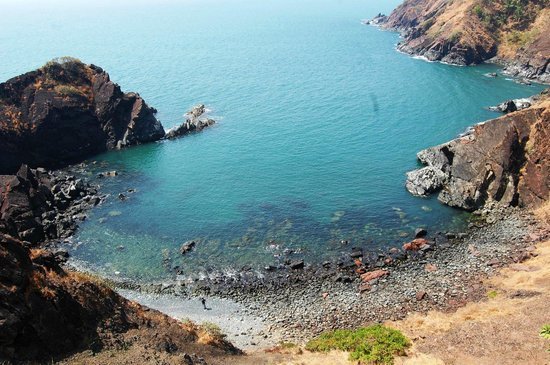
- Clifftop views: The western edge offers dramatic vistas of the sea and the coastline below. It is an excellent spot for sunset watches.
Photography tips
- Arrive early for soft morning light or late afternoon for warm golden tones; mid-day sun can be harsh on the stone ruins.
- Use the natural framing of archways, windows and cannon openings to add depth to your shots.
- Bring a polariser to deepen blue skies and reduce glare on the water.
- Respect private or restricted areas—do not climb on unstable structures for a shot.
Nearby beaches and natural highlights
Cabo de Rama is a great base for exploring some of South Goa's quieter beaches. A short drive or walk will connect you to the following spots:
- Cola Beach: A hidden gem with a unique lagoon that meets the sea—ideal for peaceful beach walks and photography.
- Agonda Beach: A long, clean beach popular for swimming and relaxation. It has a relaxed neighbourhood with cafes and guesthouses.
- Palolem: A crescent-shaped beach with a lively yet laidback scene, boat trips and eateries along the sands.
- Butterfly Beach: A secluded cove reachable by boat or a short hike—renowned for its quiet and occasional wildlife sightings.
Best time to visit
Goa's high season (winter months) offers pleasant temperatures, clear skies and comfortable evenings—ideal for outdoor exploration and cliffside sunsets. Monsoon (south-west monsoon) brings heavy rains which transform the landscape into vivid green, but many trails and access roads can become muddy and unsafe. Summer can be hot and humid; if you visit then, plan early morning or late afternoon excursions and stay hydrated.
Practical tips and safety
- Footwear: Wear comfortable, sturdy shoes. The fort grounds include uneven stones and steep sections.
- Sun protection: Carry sunscreen, a hat and water—shaded areas are limited along the ramparts.
- Respect the site: Avoid littering, graffiti or disturbing historical structures. Many parts are fragile and need careful preservation.
- Watch the edges: Cliffs are steep and sections may lack railings; keep to safe distances and supervise children.
- Local regulations: Follow any signboards or instructions from caretakers—some areas may have restricted access.
Pro tip: Combine a visit to Cabo de Rama with a beach day at Agonda or a boat trip to Butterfly Beach for a full, relaxed southern Goa experience.
Food and stay options nearby
While there are limited facilities directly at the fort, the surrounding area—particularly Agonda and Palolem—offers a range of restaurants, beach shacks and guesthouses. You will find small cafes serving local Goan seafood, vegetarian Indian dishes and international fare. Accommodation ranges from cosy guesthouses and beach huts to boutique resorts, allowing you to choose between budget-friendly comfort and more upscale stays.
Suggested half-day itinerary
- Start early with a light breakfast and drive to Cabo de Rama to beat midday heat and crowds.
- Spend 60–90 minutes exploring the ramparts, chapels and viewpoints, pausing for photos.
- Head down to Cola or Agonda for a relaxed beach walk and lunch at a beachside shack.
- Optional: Finish with a boat trip to Butterfly Beach or a sunset watch back at the fort.
Conservation and responsible travel
Cabo de Rama forms part of Goa's heritage landscape and natural coastline. When you visit, practise low-impact travel: carry reusable water bottles, dispose of litter responsibly, and avoid touching or removing historic fabric. Supporting local businesses—eating at neighbourhood shacks, hiring local guides or staying at family-run guesthouses—helps the community and promotes sustainable tourism.
Final notes
Cabo de Rama Fort is a special place where history and nature meet on a cliff-edge stage. It offers a quieter, more contemplative experience than many busy Goan attractions while delivering the cinematic panoramic views travellers crave. With basic planning and a respectful approach, a visit here becomes a memorable highlight of any South Goa itinerary.
Whether you are watching the sun melt into the Arabian Sea, tracing the worn stones of an old rampart, or combining the fort with a lazy beach afternoon, Cabo de Rama rewards those who come prepared to slow down and savour the view.