South India Weather Month by Month for Holiday Planning
A month-by-month guide to South India weather, highlighting regional variations, best months for beach, hill and cultural holidays, monsoon patterns, packing tips and festival-linked travel advice.
By TravMe travel team · · Updated · 6 min read
Planning a holiday in South India means balancing sunshine, monsoons and regional microclimates. From the tropical beaches of Kerala and Goa to the cool hill stations of the Western and Eastern Ghats, each month brings different weather and travel opportunities. This guide breaks down the weather month by month and suggests practical tips to help you pick the ideal time and activities for your trip.
Overview: Climate Patterns in South India
South India covers several states — Kerala, Tamil Nadu, Karnataka, Andhra Pradesh, Telangana, Goa and island territories like Lakshadweep. The region generally has a tropical climate, but there are important variations:
- Coastal plains are hot and humid for much of the year with heavy rainfall during monsoons.
- Interior plateau (Deccan) is hotter and drier, especially in summer months.
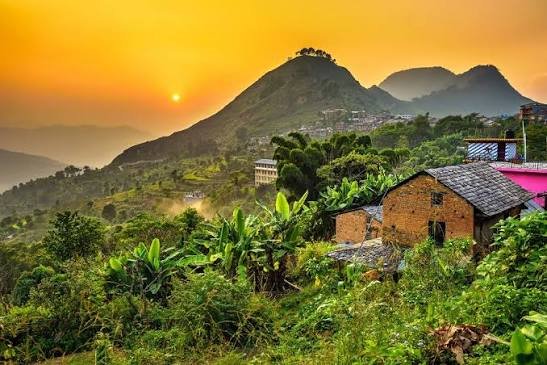
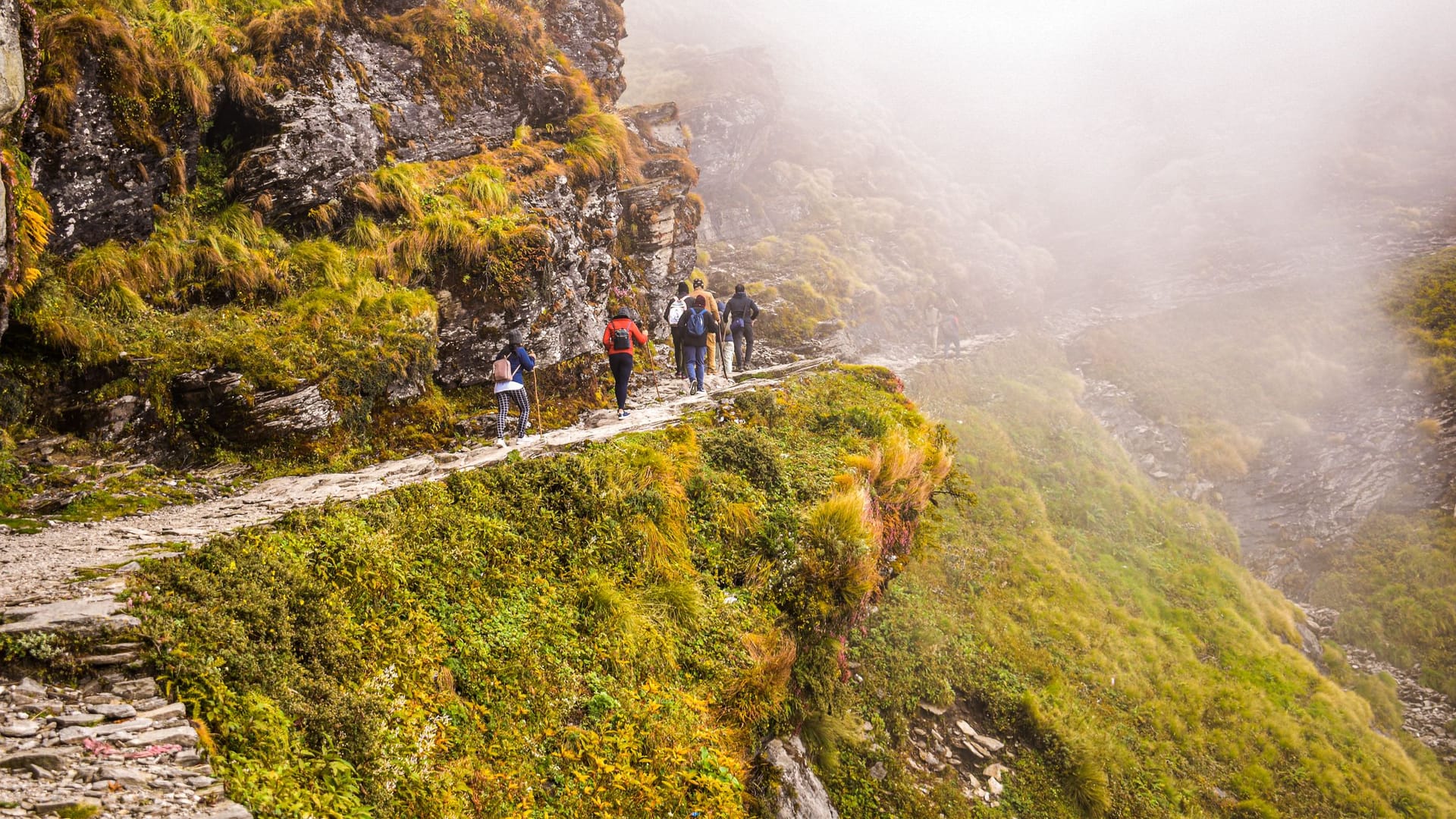
- Western Ghats and hill stations (Munnar, Coorg, Wayanad, Ooty) offer cooler temperatures year-round and are especially pleasant in summer.
- Northeast monsoon impacts Tamil Nadu and southern Andhra Pradesh more than the rest of the region, bringing significant rainfall from October to December.
Month-by-Month Weather and Travel Tips
January
January is one of the best months to visit large parts of South India. Coastal and interior regions enjoy mild, dry days and comfortable evenings. Hill stations remain cool and are ideal for trekking and sightseeing.
- Ideal for: beach holidays, backwaters in Kerala, city sightseeing and festivals such as Pongal preparations.
- Packing: light layers, sunglasses, sunscreen, a light shawl for hill stations.
February
February continues the pleasant weather with gradually rising temperatures toward the end of the month. It's a good month for wildlife safaris and cultural tours.
- Ideal for: wildlife reserves (Bandipur, Periyar), temple visits, off-season coastal travel.
- Packing: breathable cottons, insect repellent for evening safaris.
March
Temperatures begin to climb in March, especially on the Deccan plateau and coastal plains. Humidity increases but mornings are still comfortable for sightseeing.
- Ideal for: hill stations, early beach trips, festival visits such as Holi in various forms.
- Packing: sun protection, lightweight clothing, a hat or umbrella if visiting coastal towns.
April
April is hot across most lowland areas. Hill stations are the preferred refuge, offering pleasant daytime temperatures and cool nights.
- Ideal for: visiting the Western Ghats, tea and coffee plantation tours, wildlife in higher altitudes.
- Packing: light summer clothing, hydration supplies, a light sweater for evenings at altitude.
May
May is typically the hottest month in the plains, with heatwaves possible in interior regions. Coastal areas see high humidity. Monsoon clouds may start to appear by late May along the western coast.
- Ideal for: hill stations and cooler high-altitude escapes; avoid low-lying interiors unless prepared for heat.
- Packing: sun protection, electrolyte powders, breathable fabrics, early bookings for hill stations.
June
The Southwest monsoon usually arrives in Kerala in June, bringing heavy, welcome rains. Western coastal regions and the Western Ghats get substantial downpours. Eastern and interior areas remain relatively drier at first.
- Ideal for: witnessing lush greenery, tea estate views, monsoon mist; some wildlife viewing resumes after rains.
- Packing: waterproof jacket, quick-dry clothing, mosquito repellent and waterproof footwear.
July
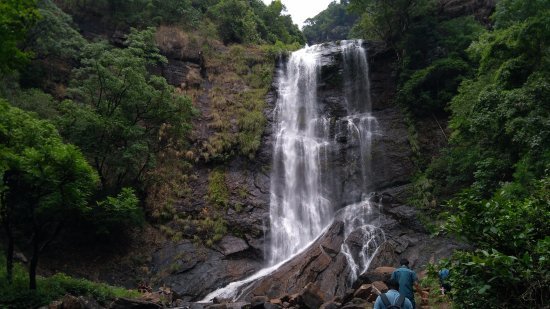
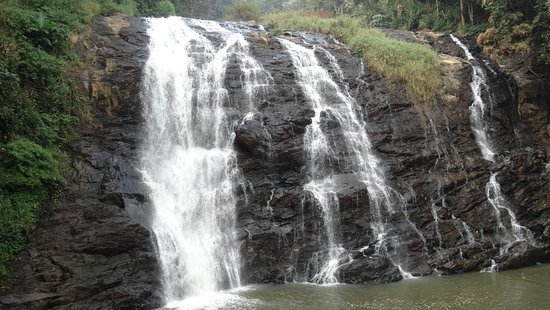
July is peak monsoon for Kerala, Goa and parts of Karnataka. While heavy rains can disrupt travel, the landscape is incredibly green and rivers, waterfalls and backwaters brim with water.
- Ideal for: low-key monsoon getaways, Ayurvedic treatments in Kerala, photography of dramatic landscapes.
- Packing: sturdy rain gear, pack covers, flexible travel plans due to possible transport interruptions.
August
Monsoon continues strong along the west coast, but by late August rainfall begins to ease in many areas. Hill stations remain cool and atmospheric.
- Ideal for: nature-focused trips, quieter beach experiences with fewer tourists in some places.
- Packing: same as July; consider anti-fungal foot care for prolonged humidity.
September
September sees the monsoon withdrawing from most western regions, though occasional showers persist. The countryside is at its greenest and water bodies are full.
- Ideal for: post-monsoon scenic drives, photography, festivals starting in some districts.
- Packing: layers for variable weather and travel insurance for monsoon-related changes.
October
October marks the start of the Northeast monsoon which particularly affects Tamil Nadu, Puducherry and southern Andhra Pradesh. Western regions are generally becoming drier and more travel-friendly.
- Ideal for: western coast and hill stations; in Tamil Nadu, indoor and cultural travel is preferable during heavy rain spells.
- Packing: umbrella, waterproof covers, festival-friendly clothes for events around Diwali season depending on the lunar calendar.
November
November is a transitional month: the northeast monsoon begins to lessen but can still bring showers to the southeastern coast. Overall, conditions are pleasant in most parts—cooler evenings, clearer skies.
- Ideal for: beach holidays in Goa and Kerala, backwaters, temple tourism in Tamil Nadu during drier spells.
- Packing: mix of light and warm clothing, beachwear for coastal stays.
December
December is peak tourist season in many parts of South India. Weather is generally dry and pleasant, with cool mornings in hill stations and comfortable coastal conditions ideal for sun and sea.
- Ideal for: festivals, beach holidays, hill station trips and wildlife viewing in dry forests.
- Packing: comfortable layers, festive attire if you plan to attend local celebrations, advance bookings for popular spots.
Regional Tips and Activities by Season
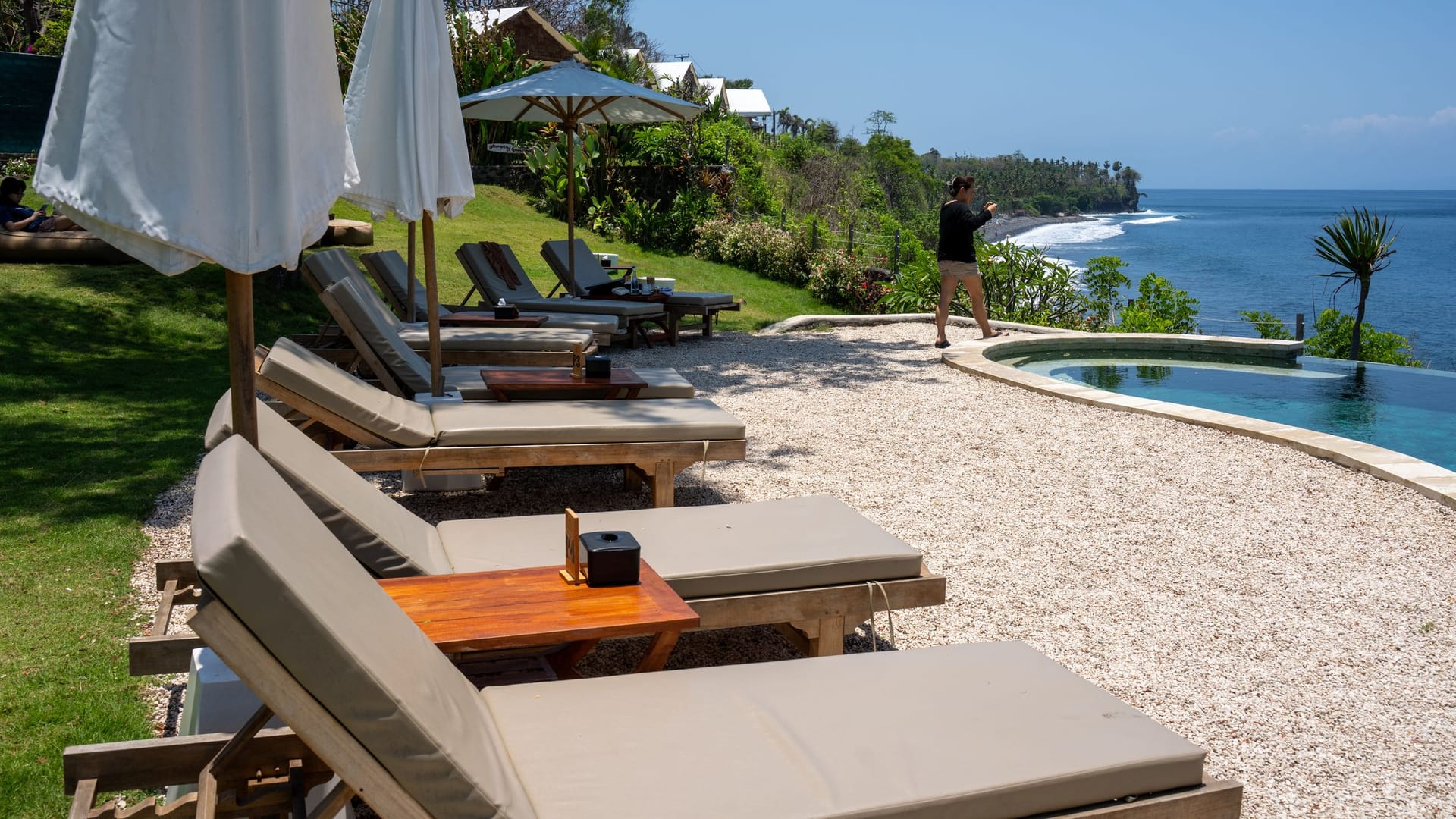
- Kerala backwaters: Best after monsoon (September to February) when water levels are high but weather is pleasant.
- Goa beaches: November to February offers lively beaches and events; June–September is quieter and green but occasionally wet.
- Nilgiris, Coorg, Munnar: Cool refuges in April–June; very picturesque post-monsoon (September–November).
- Tamil Nadu temples: Cooler months (November–February) are best for long visits and festivals; avoid the peak northeast monsoon if planning coastal days.
- Wildlife reserves: Best visited in the drier months (November to March) when animals congregate at waterholes.
Pro travel tip: If you plan to combine beach and hill destinations, schedule hills for the hot months (April–June) and beaches for the post-monsoon and winter months (November–February) to enjoy the best of both.
Packing and Practical Advice
Prepare for variable conditions and local customs:
- Carry a lightweight rain jacket and waterproof daypack during monsoon months; quick-dry clothing is invaluable.
- Sun protection—sunscreen, hat and sunglasses—are essentials year-round for coastal and inland travel.
- Respect local dress codes at temples and religious sites: modest clothing that covers shoulders and knees is expected.
- Footwear: breathable sandals for beaches, sturdy shoes for hikes, and waterproof options during monsoon.
- Manage health: carry oral rehydration salts in summer, and basic medications for common travel illnesses; consult a doctor about anti-mosquito precautions in monsoon months.
Booking and Itinerary Tips
Travel patterns and availability shift with weather. Some practical pointers:
- Peak season (December–January, and school holidays) sees higher prices and crowded attractions—book accommodation and transport in advance.
- Monsoon season offers lower rates and lush scenery but expect occasional delays; keep flexible itineraries and local contacts.
- Consider regional festival calendars—Pongal, Onam, Diwali and temple festivals can be highlights but may affect local transport and bookings.
Conclusion
South India is a year-round destination with diverse climates that reward thoughtful planning. Choose months according to the experience you want—cool hill-station retreats in summer, sun-soaked beaches and festivals in winter, or dramatic monsoon landscapes mid-year. With the right timing and packing, you can craft an unforgettable itinerary that makes the most of South India’s natural beauty and rich cultural calendar.