South India in March: Where to Go as Summer Begins
March is the sweet spot to explore South India as summer arrives—cool hill stations, sun-kissed beaches, cultural festivals and wildlife safaris offer varied escapes across Kerala, Tamil Nadu, Karnataka and Andhra.
By TravMe Holidays travel team · · Updated · 7 min read
March marks the gentle start of summer across South India. The days grow warmer but the region still offers plenty of comfortable pockets—lush hill stations with misty mornings, calm backwaters, quieter beaches before the peak season heat, and cultural towns alive with temple festivals. Whether you want cosy tea gardens, coastal seafood and water sports, or heritage walks through ruins and old ports, South India in March is a great time to plan a balanced itinerary.
What the weather feels like in March
South India’s climate in March varies with altitude and proximity to the coast. Low-lying coastal and interior plains begin to warm up, with daytime temperatures commonly in the high 20s to low 30s °C. Hill stations remain pleasantly cool, especially in the mornings and evenings. March is largely dry in most parts, making it ideal for sightseeing, wildlife safaris and beach outings before the south-west monsoon arrives later in the year.
Practical weather notes:
- Hill stations: Munnar, Ooty, Kodaikanal, Coorg and Chikmagalur have cool mornings (often below 20°C) and mild afternoons—pack a light woollen or windproof layer.
- Coastal areas: Goa-like humidity starts to build; beaches and islands are pleasant early in the day and at sunset.
- Inland plains: Cities such as Chennai and Bangalore begin warming up—carry sun protection and stay hydrated.
Top destinations to visit in March
Here are carefully chosen options depending on the kind of trip you want—relaxation, adventure, culture or nature.
Kerala: Backwaters, tea gardens and spice-scented lanes
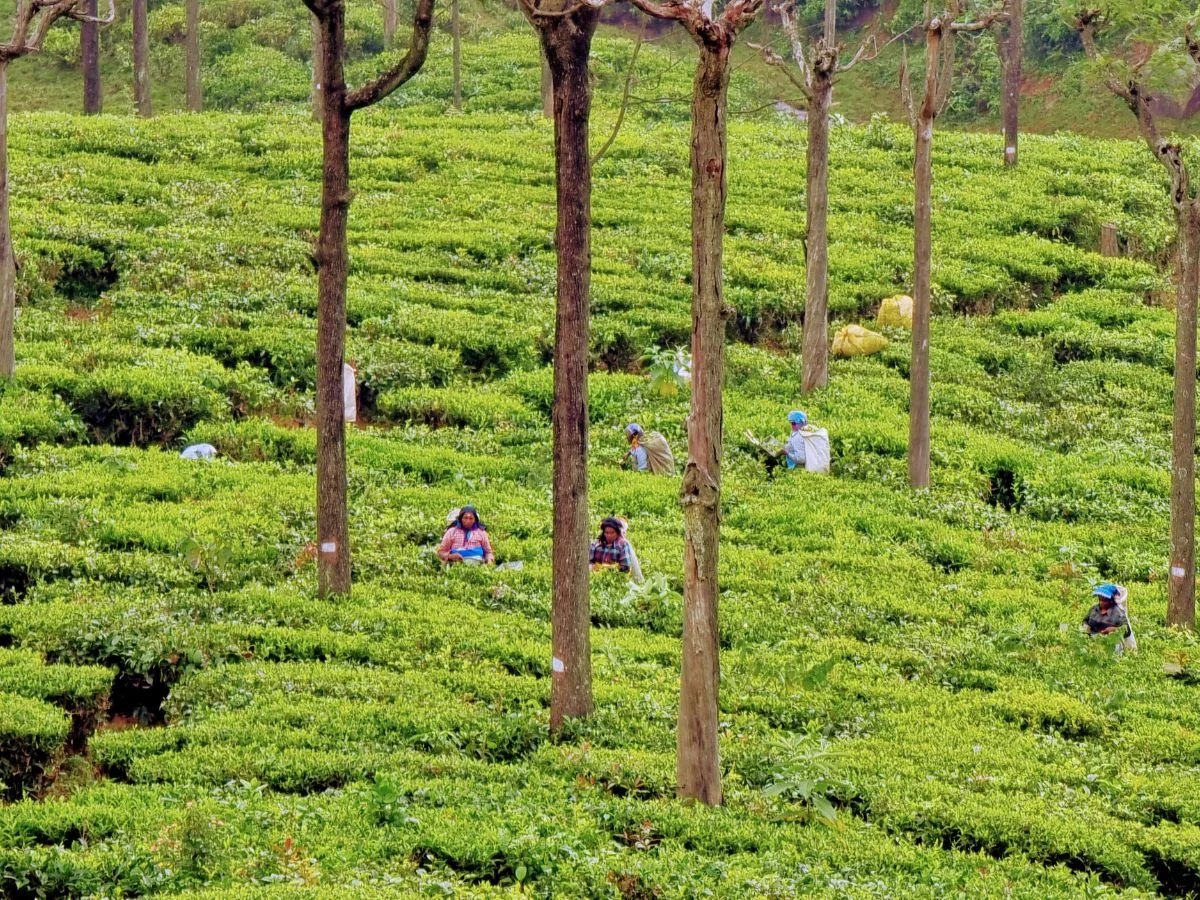
Kerala is a perennial favourite in March. The backwaters of Alleppey (Alappuzha) and Kumarakom are serene at this time—houseboat cruises are pleasant without the later-year humidity. Munnar’s emerald tea slopes and winding roads are ideal for relaxed walks, plantation tours and photo stops. Wayanad offers plateaus, wildlife, and tribal heritage for those who want slightly offbeat experiences.
- Must-do: Overnight houseboat on the backwaters, sunrise at Munnar viewpoints, short treks in Wayanad.
- Why March works: Dry, clear skies and comfortable temperatures for boat travel and hill walks.
Tamil Nadu: Temple towns, hill stations and coastal charm
Tamil Nadu has variety—heritage sites, beaches and two delightful hill stations. Ooty and Kodaikanal are cooler alternatives to the plains; spring blooms and crisp air make walks and boat rides enjoyable. For culture, Madurai’s Meenakshi Temple and the UNESCO-listed Shore Temple at Mahabalipuram showcase classic Dravidian architecture. Pondicherry’s French Quarter feels particularly pleasant before the warm months peak.
- Must-do: Sunrise at Doddabetta in Ooty, explore the heritage streets of Pondicherry, watch temple rituals in Madurai.
- Festivals: Temple ceremonies such as Panguni Uthiram and some local chariot festivals may take place around March—check local calendars.
Karnataka: Coffee hills, ruins and coastal retreats
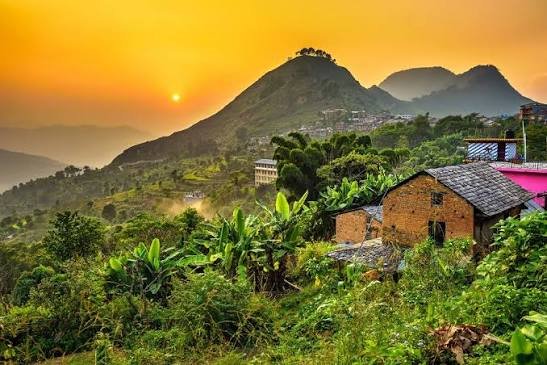
Karnataka is a mix of lush hill country and ancient ruins. Coorg and Chikmagalur are perfect for coffee plantation walks, easy treks and birdwatching. Hampi’s surreal boulder-strewn landscape remains good for exploration in cooler mornings. For a quieter beach escape, Gokarna’s relaxed shoreline is a less commercial alternative to mainstream beach towns.
- Must-do: Coffee estate stay in Coorg, sunrise at Hampi’s boulder sites, a relaxed day on Gokarna’s beaches.
- Why March works: Days are warm but mornings are ideal for walking and sightseeing without heavy rains.
Andhra Pradesh & Telangana: Coastal cities and hill valleys
Visakhapatnam and the scenic Araku Valley are lovely in March. Vizag’s beaches and the nearby Borra Caves or Araku’s coffee plantations are refreshing. In Telangana, Hyderabad’s heritage walks through the old city and Golconda Fort are comfortable before the summer heat intensifies.
Islands and diving: Lakshadweep and beyond
For island lovers, March is within the ideal window for diving and snorkelling in Lakshadweep and parts of the southern coast. Visibility in the water is generally good; marine life is active and sea conditions are favourable for water sports. Advance permits and bookings are required for Lakshadweep—plan ahead.
Activities to prioritise in March
Make the most of the season by choosing activities that match the comfortable weather:
- Trekking and nature walks: Hill stations and wildlife sanctuaries are pleasant—start early to avoid rising daytime temperatures.
- Backwater cruises: Houseboats are calm and scenic, perfect for photography and slow travel.
- Beach time and watersports: Early mornings and late afternoons are best; diving and snorkelling windows are excellent around islands.
- Heritage and temple tours: Explore temples and historic sites when it’s cooler; evening rituals make for evocative experiences.
- Food trails: Sample regional cuisine—Malabar fish curries in Kerala, Chettinad fare in Tamil Nadu, Kodava-style dishes in Coorg and seafood along the coast.
- Wildlife safaris: Periyar, Bandipur and Nagarhole offer good chances for sightings, with paths still dry and accessible.
Tip: Start sight-seeing early in the day and reserve afternoons for relaxed activities or indoor cultural experiences.
Suggested itineraries
Here are realistic trip ideas depending on how many days you have:
- 3–4 days: Kerala backwaters (Alleppey houseboat + Kumarakom) or Ooty quick break (Coonoor day trip included).
- 5–7 days: South Kerala loop (Cochin – Munnar – Thekkady – Alleppey) or Karnataka coffee and ruins (Bengaluru – Chikmagalur – Hampi).
- 8–10 days: Mixed-state tour covering Pondicherry – Chennai – Mahabalipuram – Tirupati or a south-west coastal route (Goa – Gokarna – Coorg – Mangalore).
Packing and travel tips for March
Be practical and pack to suit varied climates:
- Light cottons for daytime in plains and coastal areas; light woollens or a jacket for hill stations.
- Good walking shoes for plantations, ruins and light treks; sandals for beaches.
- Sun protection—hat, sunglasses and sunscreen—and a refillable water bottle to stay hydrated.
- Insect repellent if you plan evenings in rural or forested areas.
- Permits and bookings: Book houseboats and island permits early; check forest permit rules for sanctuaries and restricted sites.
Festivals, culture and local experiences
March often overlaps with regional new year celebrations such as Ugadi in Karnataka/Andhra/Telangana, and temple festivities in Tamil Nadu like Panguni Uthiram may fall around this time—these are wonderful chances to witness local rituals, processions and cuisine. Pondicherry and Goa may have Easter events and community gatherings that add colour to your visit.
Health, safety and sustainable travel
South India is generally safe for travellers, but follow common-sense precautions: stay hydrated in warmer regions, avoid drinking tap water where advised, and ensure travel insurance covers your activities. Respect local customs—dress modestly at temples and ask before photographing people.
Support responsible tourism by choosing locally run homestays, not littering beaches or trails, and following park rules in wildlife sanctuaries. Avoid feeding wild animals and keep a respectful distance when on safaris.
Practical transport pointers
South India is well-connected by air, rail and road:
- Major airports: Kochi, Bengaluru, Chennai, Hyderabad, Thiruvananthapuram and Goa serve as gateways depending on your route.
- Rail journeys: Trains are comfortable for inter-city travel, but book in advance for popular routes in March.
- Road trips: Hire a car for hill-station drives or coastal explorations—remember that distances can be larger than they appear on the map.
Choosing the right itinerary for you
Match your travel style with destinations:
- If you want easy relaxation: Kerala backwaters and tea estates are ideal.
- If you want adventure and trekking: Choose Coorg, Wayanad or parts of the Western Ghats.
- If you want culture and temples: Tamil Nadu’s temple towns and Karnataka’s heritage sites will satisfy you.
- If you want islands and diving: Plan Lakshadweep or southern coast dives well in advance.
With comfortable weather, fewer crowds than peak summer, and many local festivals adding charm, March is one of the best months to discover South India’s varied landscapes and cultures. Plan your trip with a mix of slow days and active outings for an experience that feels both restful and enriching.
Conclusion: Whether you choose misty hill stations, serene backwaters, sunlit beaches or ancient ruins, South India in March offers a delightful balance of weather and experiences. Book early for special stays and permits, pace your days to the climate, and you’ll return home with vivid memories and a refreshed spirit.