South India in February: Pleasant Days for Hills and Heritage
February is one of the best months to explore South India — cool hill stations, clear beaches, vibrant heritage sites and pleasant wildlife safaris make it ideal for outdoor plans and cultural discovery.
By TravMe Holidays travel team · · Updated · 6 min read
February brings some of the most agreeable weather across South India: clear skies, mild days and cool nights. It is an excellent month for hill stations, heritage trails and coastal retreats, with reduced rainfall and comfortable temperatures that favour sightseeing, trekking, wildlife safaris and temple visits. Whether you are seeking misty Nilgiris, tea-green Munnar, ancient temple carvings or calm beaches at Pondicherry and Gokarna, this is the time to travel smart and savour the region slowly.
Why February is special in South India
February sits after the winter chill has eased and before the summer heat builds up. The plains experience pleasant, sunny days and cool evenings, while the higher altitudes retain crisp mornings and comfortable afternoons — perfect for outdoor activities. Visibility is generally excellent, enhancing views from viewpoints and photography at heritage monuments. Crowds are moderate in most places (except during local festivals), which makes it easier to find good stays and quieter experiences at popular spots.
Where to go: Highlights by interest
Hills and tea-country
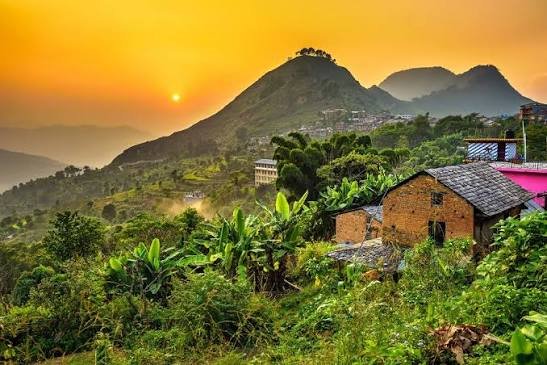
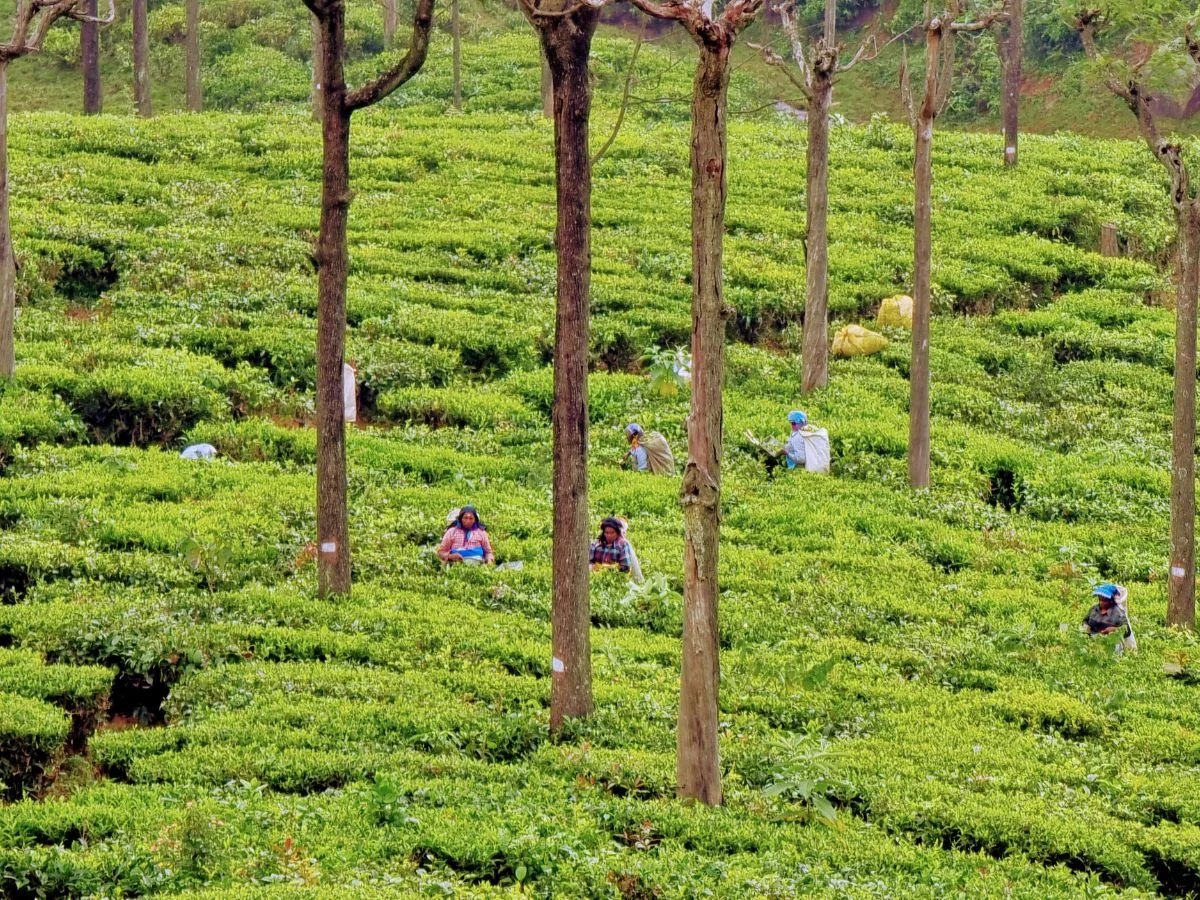
- Munnar (Kerala): Lush tea gardens, winding roads and cooler temperatures make Munnar ideal for long walks, plantation tours and short hikes. The valleys offer clear panoramic views and interesting flora.
- Ooty and Coonoor (Tamil Nadu): The Nilgiris give pleasant weather and the heritage charm of hill-station bungalows, botanical gardens and toy-train rides. Coonoor offers quieter trails and viewpoints.
- Kodaikanal (Tamil Nadu): A tranquil bowl-shaped hill station with lake walks, viewpoints and mist-laden mornings conducive to relaxed exploration.
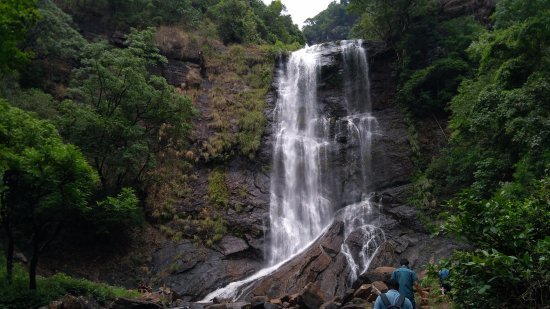
- Wayanad (Kerala): Dense forests, spice plantations and small treks make Wayanad a delightful February escape for nature lovers and birdwatchers.
Heritage and temple trails
- Hampi (Karnataka): Clear skies improve the dramatic vistas across its millennia-old ruins and rocky landscape. Walking and cycling around the UNESCO‑listed site is comfortable in February.
- Mahabalipuram & Mamallapuram (Tamil Nadu): Classic Pallava sculpture and shore temples are great to visit when the sea breeze is pleasant and humidity is lower.
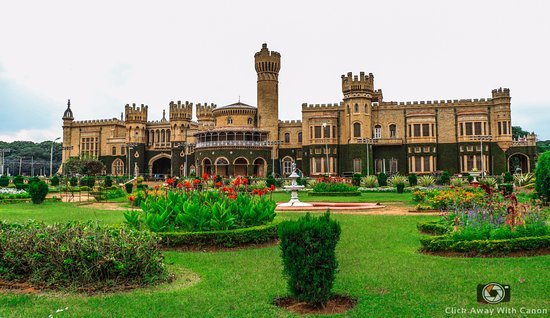
- Mysore and nearby Belur–Halebidu (Karnataka): Mysore Palace, heritage walks and the exquisite Hoysala temples at Belur and Halebidu are rewarding in cooler, clear weather.
- Pattadakal, Badami & Aihole (Karnataka): Ancient rock-cut and structural temples show their carvings well in the soft February light.
Wildlife and nature
- Periyar & Wayanad (Kerala): Safaris and boat trips are comfortable and visibility for wildlife viewing is good when humidity is lower.
- Bandipur & Nagarhole (Karnataka): Dry undergrowth makes wildlife spotting easier in open areas; mornings are crisp for jeep safaris.
- Birding hotspots: Wetlands and backwaters around southeast India host a variety of resident and migratory birds, making February a satisfying month for birdwatchers.
Beaches and coastal escapes
- Pondicherry: The French Quarter, promenade and calm Auroville ambience are all enjoyable under blue skies and cool breezes.
- Gokarna & Kannur (Karnataka and Kerala): Less commercialised beaches offer relaxed sunsets and lower crowd levels compared to peak season.
- East Coast beaches: Quiet stretches in Tamil Nadu and Andhra provide good conditions for walking and local seafood dining.
Festivals and cultural experiences
February sometimes coincides with regional temple festivals, classical music or dance events and local fairs. These vary by year and district, so check local listings when planning. Cultural highlights often include temple rituals, music recitals and community feasts that offer an authentic glimpse into south Indian traditions.
Tip: If you want to experience a festival, confirm dates in advance and respect local customs — dress modestly at temples and follow any photography restrictions.
Suggested itineraries
Here are a few practical itineraries tailored to different trip lengths and interests. These are flexible and can be mixed based on your time and pace.
7-day Hills & Heritage: Nilgiris + Mysore
- Day 1–2: Arrive at Coimbatore or Bangalore; transfer to Ooty. Explore botanical gardens, local markets and viewpoints.
- Day 3: Short hikes around Coonoor and tea gardens; ride the toy train if operational.
- Day 4: Drive to Mysore via Bandipur (optional wildlife stop); evening visit to Mysore Palace.
- Day 5–6: Mysore city sights, Chamundi Hill, market, and a day trip to Srirangapatna/Belur–Halebidu if you prefer deeper temple history.
- Day 7: Return to Bangalore or proceed to your onward destination.
10-day South Coast & Heritage: Chennai – Mahabalipuram – Pondicherry – Thanjavur
- Day 1–2: Explore Chennai’s heritage and temples; savor local filter coffee and coastal cuisine.
- Day 3: Drive to Mahabalipuram for shore temples and rock reliefs.
- Day 4–5: Move to Pondicherry for quiet cafés, Auroville and beachfront strolls.
- Day 6–8: Head south through Chidambaram and Thanjavur for Chola temple architecture and local arts.
- Day 9–10: Optional extension to Madurai or return via Tiruchirappalli for flights home.
Packing and practical tips
- Clothing: Lightweight cottons for daytime, a light jacket or shawl for hill stations and evenings. Comfortable walking shoes and modest clothing for temple visits.
- Health & comfort: Sunscreen, a wide-brim hat and reusable water bottle. Carry basic medicines and anti-allergy remedies if you have sensitivities.
- Transport: Trains and domestic flights connect major hubs; renting a car or hiring a private driver is convenient for hills and rural routes. Allow extra time for winding hill-road drives.
- Bookings: February is a favourable month but popular hill stations and heritage towns can see steady demand; book accommodation and key experiences in advance.
- Local cuisine: Try regional thalis, seafood on the coast and hearty hill-station snacks. If you have dietary restrictions, ask about ingredients — many places will accommodate vegetarian requests.
Responsible travel practices
South India’s ecosystems and heritage sites are precious. Please follow these guidelines to keep them pristine:
- Carry reusable bags and avoid single-use plastics. Dispose of waste responsibly and use designated bins.
- Respect wildlife by maintaining distance and following park rules during safaris. Use authorised guides for treks and forest visits.
- At heritage sites and temples, stick to marked paths and do not touch fragile sculptures. Support local artisans by buying crafts from verified sources.
- Be culturally sensitive — dress appropriately at religious sites and follow local etiquette during festivals or rituals.
When to avoid or be cautious
While February is generally favourable, plan carefully for:
- Hill roads that can be narrow and winding; check for any travel advisories during the monsoon remainder or landslide-prone stretches.
- Certain coastal areas may have seasonal fishing activities or temporary closures — ask locals before heading to isolated beaches.
- Festival dates that can affect transport and accommodation availability in specific towns — verify schedules in advance.
Final tips for a memorable trip
- Start early for heritage sites and viewpoint visits to enjoy cooler temperatures and softer light for photography.
- Allow for slow travel: South India rewards unhurried exploration — linger over a meal, chat with locals and let detours happen.
- Keep an adaptable itinerary: Weather, local events or a newfound recommendation may inspire a change of plans — embrace it.
February offers some of the best conditions to discover South India’s variety — misty hills, open-air heritage, tranquil backwaters and sandy shores. With sensible planning and respect for local customs and nature, this month can produce gentle, memorable travel experiences.