Rishikesh to Kedarnath: Route Guide to Gaurikund
A practical, step-by-step route guide from Rishikesh to Kedarnath via Gaurikund, covering transport options, trekking details, best seasons, permits, and traveller tips to plan a safe pilgrimage.
By TravMe Holidays travel team · · 6 min read
Travelling from Rishikesh to Kedarnath via Gaurikund is a classic Himalayan pilgrimage and trek that combines road travel, spiritual stops and a bracing mountain ascent. This guide walks you through the route options, logistics, what to pack, seasonal considerations and safety tips so you can plan a smooth journey to the abode of Lord Shiva.
Overview: The Route in Brief
The usual overland route from Rishikesh to Kedarnath proceeds along the Alaknanda valley through Devprayag, Srinagar (Uttarakhand), and Rudraprayag before reaching Sonprayag/Gaurikund, from where the trek to Kedarnath begins. Gaurikund is the pilgrimage base and last motorable point for many travellers; it’s also the spot where most pilgrims start the 14–18 km hill trek to Kedarnath shrine, depending on the exact trail taken.
Step 1 — Getting Out of Rishikesh
Rishikesh is well connected by road and serves as a practical launch point. Options to leave Rishikesh:
- Private taxi or cab: Comfortable and flexible; you can stop at river viewpoints, temples and towns along the way. Best for small groups or families with luggage.
- Shared jeeps or buses: Available from bus stands and shared jeep points. These are budget-friendly but operate on fixed schedules and may be crowded.
- Self-drive: If you are confident driving in mountain terrain, you can rent a car. Roads are mostly well-maintained but become narrow and winding closer to Sonprayag.
Plan for a full day of road travel with scenic stops — the riverine valleys and confluence towns (Devprayag where Alaknanda and Bhagirathi meet) are worth quick sightseeing breaks.
Step 2 — Key Towns Along the Way
Understanding the main towns helps you plan breaks, food and overnight stays.
- Devprayag: A spiritual confluence; short stop for photos and puja.
- Srinagar (Uttarakhand): A larger town with accommodation and basic facilities. Good place for last-minute purchases.
- Rudraprayag: Another confluence town and common stop for meals and rest.
- Sonprayag and Gaurikund: Sonprayag is the roadhead that links to Gaurikund. Gaurikund itself is the base where pilgrims register, acclimatise and access mule/porter services.
Step 3 — Reaching Gaurikund: Road and Last Mile
Most vehicles will drop travellers at Sonprayag or Gaurikund depending on road and weather. The last stretch can be narrow and subject to landslides during monsoon season. Keep these points in mind:
- Road conditions: Generally motorable in the pilgrimage season but can be affected by rain, landslides and snowfall outside the main season.
- Parking and drop-off: There are designated spots in Sonprayag and Gaurikund. If you hire private transport, confirm the drop-off location before starting.
- Facilities at Gaurikund: Basic shops, tea stalls, medical aid centres and accommodation options exist, but choices are limited compared with lower towns.
Step 4 — The Trek from Gaurikund to Kedarnath
The trek is the heart of the pilgrimage. While distances vary slightly by route, the ascent is steep and can be demanding at altitude.
Trail options
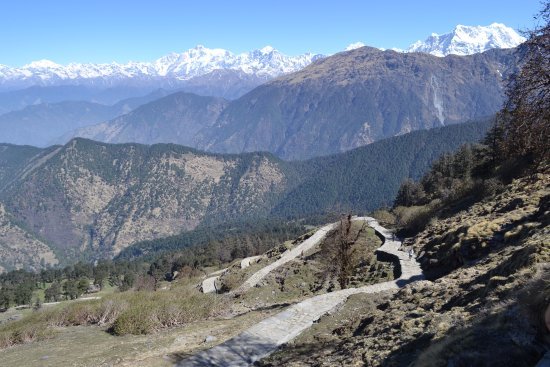
- Main pedestrian trail: The most common route is a well-trodden path from Gaurikund to Kedarnath. It is marked and supported by waystations and refreshment points.
- Pony and palanquin services: For those who cannot walk the full distance, mules/ponies and doli (palanquin) services are available to hire. Book early in peak season and be mindful of animal welfare and load limits.
- Helicopter service: Helicopter runs to Kedarnath are available during the pilgrimage season from designated helipads in the valley. This is the fastest option but is weather-dependent and best booked in advance.
Trek difficulty and time
The trek involves sustained uphill walking on rocky steps and switchbacks. Even fit walkers should take it steadily to avoid exhaustion. Allow time for short breaks, hydration and photo stops. Nights are cold and oxygen levels drop; moderate acclimatisation is prudent if you are coming from low altitudes.
When to Travel: Season and Weather
Timing your trip properly makes a big difference to safety and enjoyment.
- Best season: The main pilgrimage season runs when routes are snow-free and facilities are open — typically late spring to early autumn. Peak crowds occur around major festival days.
- Monsoon: Heavy rain increases the risk of landslides and trail slippage. Travel during monsoon requires caution; many services may be suspended.
- Winter: Heavy snowfall closes roads and the temple for months; only experienced mountaineers should attempt travel in off-season with the proper permits and logistics.
Permits, Registration and Local Rules
Authorities often require registration for pilgrims for crowd management and safety. Local police or temple trusts may maintain records. Key points:
- Carry valid ID and multiple photocopies.
- Follow guidance from local authorities about timings and trail closures.
- Respect religious practices and the sanctity of the shrine; footwear rules apply inside the temple complex.
Accommodation and Food at Gaurikund and En Route
Accommodation ranges from basic dormitories and guesthouses to slightly more comfortable lodges in Sonprayag and nearby towns. Once you leave the lower towns, options become limited.
- Book in advance in peak season where possible.
- Carry snacks, high-energy food and water purification tablets in case supplies are limited on the trail.
- Be prepared for vegetarian, simple fare at most dhabas and tea stalls.
Packing Checklist and Health Considerations
Proper packing is critical for comfort and safety:
- Layered clothing (thermal base, insulating mid-layer, windproof outer shell)
- Sturdy trekking shoes, warm socks, and gaiters if you expect snow or mud
- Sun protection: hat, sunglasses and high-SPF sunscreen
- Reusable water bottle, purification method and electrolyte sachets
- Basic first-aid kit, any prescription medicines, altitude sickness medication if advised
- Headlamp/torch, rain cover for backpack, trekking poles for steep sections
Start hydrating well before the trek and ascend at a steady pace. If you experience symptoms of acute mountain sickness (persistent headache, nausea, dizziness or breathlessness), descend immediately and seek medical help.
Safety, Etiquette and Responsible Travel
Respect the environment and local customs:
- Avoid littering; use designated bins or carry waste down the trail if no disposal exists.
- Support licensed mule and porter services and confirm fair pricing upfront.
- Obey local regulations about photography and restricted areas near the shrine.
- Keep copies of emergency contacts and the nearest medical facilities; inform your hotel or a companion of your itinerary.
Tip: Start early from Gaurikund to avoid crowds on narrow sections, and pause at midway refreshment points to rest and acclimatise.
Alternate Approaches and Day Plans
Depending on your fitness and time, you can plan the trip as a two-day trek with an overnight at Sonprayag/Gaurikund or a faster single-day push for experienced trekkers. Helicopter transfers allow same-day arrival and return from Kedarnath but check weather forecasts and booking windows.
Wrapping Up: Practical Timeline Example
A common itinerary looks like this:
- Rishikesh to Srinagar/Rudraprayag by road with stops for meals and sightseeing.
- Proceed to Sonprayag/Gaurikund, check into lodging, rest and prepare for the trek.
- Early-morning start from Gaurikund; steady progress with breaks en route. Reach Kedarnath, perform darshan and return as per your plan (trek back or helicopter).
Conclusion
The Rishikesh to Kedarnath journey via Gaurikund is both a spiritual experience and a mountain challenge. With sensible planning — choosing the right season, carrying appropriate gear, following local advice and pacing yourself on the climb — you can make the pilgrimage safely and memorably. If you need help arranging transport, permits or guided support, TravMe Holidays can assist with customised options tailored to your preferences and fitness level.