Rishikesh to Badrinath by Road: The Alaknanda Valley Drive
A detailed guide to driving from Rishikesh to Badrinath through the scenic Alaknanda Valley, covering route options, road conditions, stops, permits, acclimatisation tips and a practical itinerary for travellers.
By TravMe Holidays travel team · · 6 min read
The drive from Rishikesh to Badrinath along the Alaknanda Valley is one of northern India's most evocative road journeys — a mix of sacred river gorges, mountain hairpins, sleepy townships and high-altitude pilgrimage. Whether you are planning a spiritual visit to the Badrinath Temple or craving Himalayan scenery, this road trip offers memorable stops and practical challenges. This guide covers everything you need to plan a safe and enjoyable drive from Rishikesh to Badrinath by road.
Overview of the Route
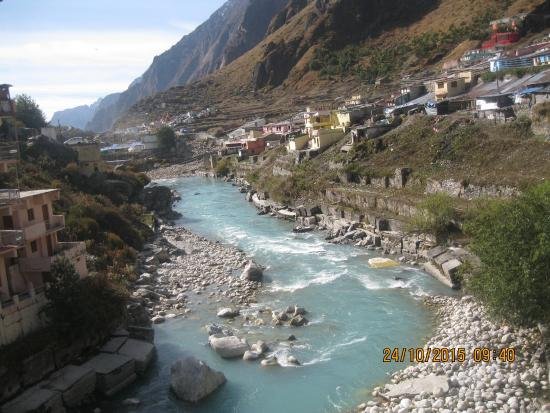
The most popular road route follows the Alaknanda river upstream through a chain of confluence towns and highland settlements. Typical waypoints include Devprayag, Srinagar (Uttarakhand), Rudraprayag, Karnaprayag, Chamoli or Gopeshwar, Joshimath, Govindghat and finally Badrinath. The last stretch from Joshimath/Govindghat climbs into higher altitude and can be narrow and winding.
Why this route is special
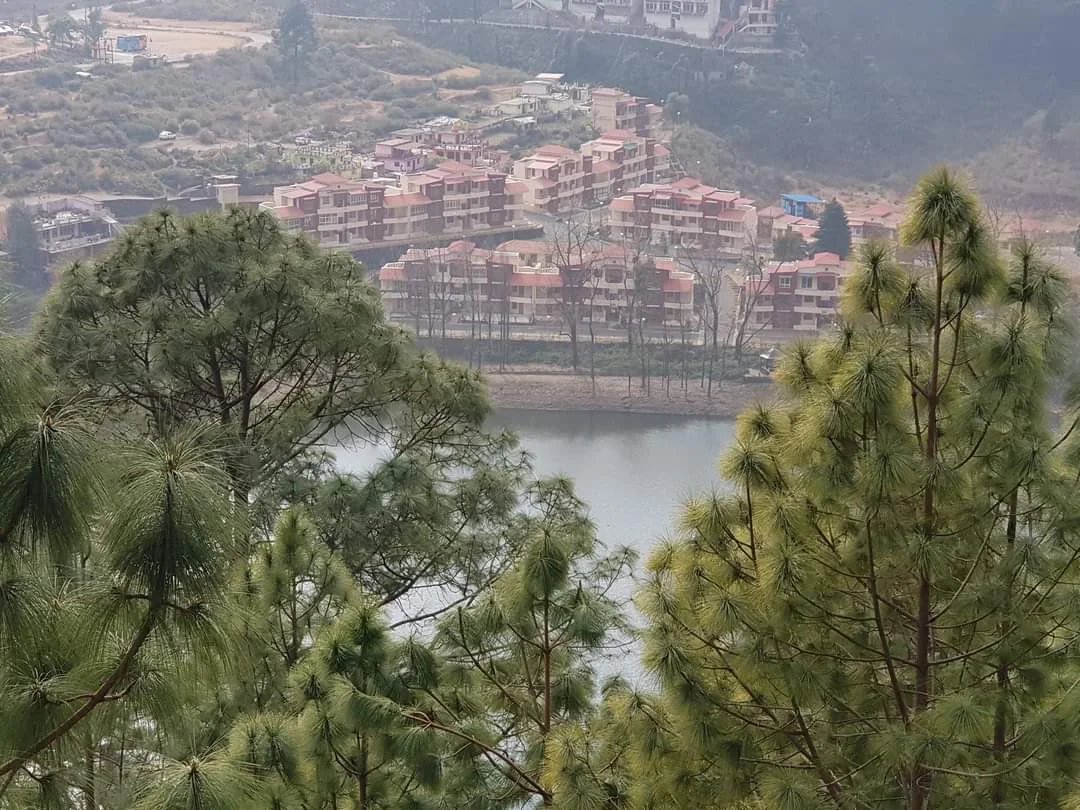
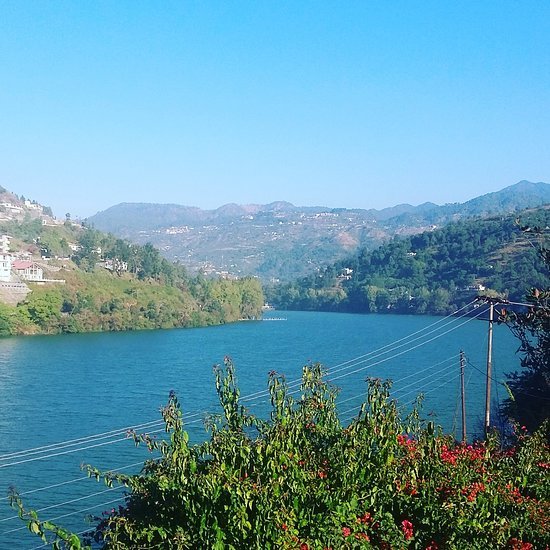
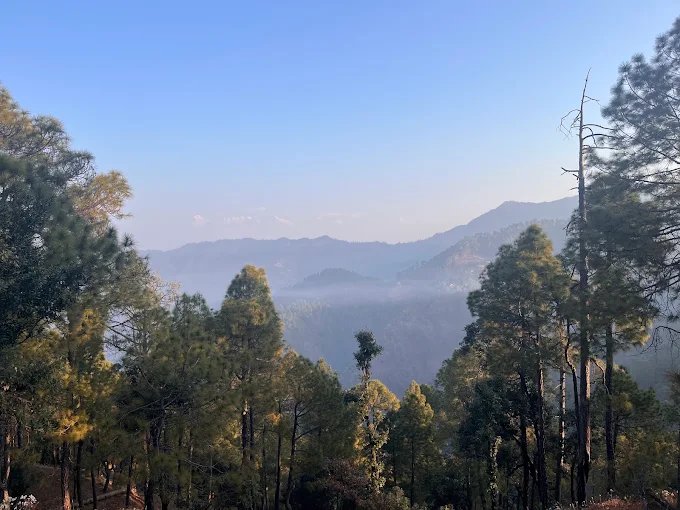
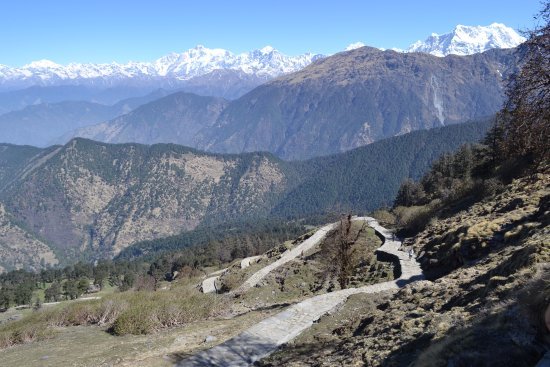
The Alaknanda Valley is dotted with religiously significant confluences (prayags), dense pine and deodar forests, cascading waterfalls and steep-sided gorges. Each town along the route has its own atmosphere — from the spiritual bustle at Devprayag to the quieter mountain culture near Joshimath. The changing landscape keeps the drive visually rewarding at every stage.
Best Time to Drive
Badrinath is a high-altitude pilgrimage site and the temple generally remains accessible during the summer and autumn months when snow recedes. The most reliable period for a road trip is after the mountain passes clear, typically in late spring through early autumn. Monsoon months bring frequent landslides and road blocks; winter months see heavy snow and roads are usually closed. Plan around local temple opening dates and local weather forecasts.
Road Conditions and Driving Challenges
Driving in the Alaknanda Valley requires alertness and some experience with mountain roads:
- Road surface: You will encounter a mix of well-paved stretches, patched tarmac and rough sections. Expect single-lane bridges and occasional unpaved stretches near higher reaches.
- Weather impacts: Rain and snow increase the risk of landslides, falling rocks and narrow debris on the carriageway. Early mornings are often clearer; avoid driving at night in remote sections.
- Altitude and gradients: The climb after Joshimath is steep with tight hairpins. Drivers need to manage engine temperature and brakes carefully on descents.
- Traffic: The road supports buses, taxis, pilgrim convoys and heavy vehicles carrying goods to hill towns — patience is essential.
Permits, Regulations and Practical Requirements
Most Indian nationals do not need special permits for the route itself, but it is important to carry valid ID and vehicle documents. If you are driving a hired car, ensure all paperwork and driver credentials are in order. Foreign nationals should carry passport and valid permits if required by local administration. Additional points:
- Check whether any restricted zones near high-altitude military areas require special clearance en route and plan accordingly.
- Fuel availability becomes scarce beyond major towns; top up in larger towns such as Rishikesh, Srinagar or Joshimath rather than relying on small fuel pumps.
- Keep a soft copy and printout of your hotel bookings and emergency contact numbers handy.
Suggested Stops and What to See
There are several worthwhile stopping points where you can stretch your legs, enjoy local food and take in cultural sights.
Devprayag
Devprayag marks the sacred confluence where rivers join and the Ganga is born from the merging of the Bhagirathi and Alaknanda. It is a good early break after leaving the plains, with temples and panoramic river views.
Srinagar (Uttarakhand)
This Srinagar is a gateway to the deeper hill country. The town sits by the Alaknanda and offers local markets, food stalls and historic temples. It is a practical place for a midday halt.
Rudraprayag and Karnaprayag
These confluence towns are typical Himalayan transit hubs with good roadside dhabas and shops. They are useful for restroom stops, tea and quick refuelling of snacks.
Chamoli / Gopeshwar
A slightly higher stop, Chamoli district towns give you a feel for mountain life. If you want a longer break, plan an overnight stay here to acclimatise before descending or climbing again.
Joshimath and Govindghat
Joshimath is the major service town for pilgrims heading to Badrinath and Hemkund Sahib. From here the route narrows and climbs to Govindghat and onwards to Badrinath. Joshimath has more hotels, medical stores and vehicle repair shops.
Mana Village
Just before Badrinath, Mana Village is the last settlement and offers a close-up of traditional mountain culture and spectacular views of surrounding peaks. It is also a trekking base for short walks and a photographic stop.
Health, Acclimatisation and Safety Tips
Altitude becomes a factor as you approach Badrinath. Observe the following precautions:
- Ascend gradually where possible. If you feel breathless, dizzy or have persistent headache, rest and descend if symptoms worsen.
- Stay hydrated and avoid heavy food immediately after arrival at higher elevations.
- Carry basic medicines for altitude sickness, diarrhoea, pain relief and a first-aid kit.
- Inform your accommodation about any pre-existing health issues — medical facilities in hill towns may be basic.
Vehicle Choice and Preparation
A reliable, high-clearance vehicle is recommended. Essentials to carry and check before departure:
- Full engine check, tyre tread and pressure, spare tyre and puncture repair kit.
- Engine coolant, lubricants and basic toolkit. Keep jumper cables and a tow rope.
- Warm blankets, extra water and snacks; battery-operated torch and power bank for phones.
Packing Checklist
Pack smart for variable mountain weather and temple norms:
- Warm layers, waterproof jacket, sturdy walking shoes and a hat.
- Sun protection: high-altitude UV is stronger. Sunglasses and sunscreen are essential.
- Respectful clothing for temple visits: modest attire covering shoulders and knees; footwear is removed at the temple entrance.
- Copies of ID, vehicle papers, permits where needed, and some local currency for small purchases in villages.
Suggested Itineraries
Two simple itinerary options depending on time and pace.
Leisure 3–4 day itinerary
- Day 1: Rishikesh to Srinagar/Devprayag — stop to visit confluences and temples, overnight in a hill town.
- Day 2: Srinagar to Joshimath — gentle drive with multiple scenic/food stops; overnight to acclimatise.
- Day 3: Joshimath/Govindghat to Badrinath — early start, reach Badrinath, darshan and local sightseeing; return to Joshimath or stay in Badrinath based on accommodation availability.
- Day 4: Return to lower elevations at a comfortable pace.
Faster 2-day itinerary
- Day 1: Early departure from Rishikesh, continuous drive with brief stops, reach Joshimath by night.
- Day 2: Morning drive to Badrinath for darshan and return to lower altitude before evening.
Cultural Etiquette and Temple Tips
When visiting Badrinath Temple and other shrines along the way:
- Dress conservatively and remove footwear where required. Follow queue directions and timings posted at the temple.
- Photography rules vary; always ask before taking pictures inside temples or of priests and devotees.
- Food and prasad: accept offerings respectfully and avoid littering. Use designated bins or carry waste down with you.
Tip: Start early in the day to cover long sections in daylight; roads in the Alaknanda Valley are at their clearest in mornings.
Final Practical Advice
Plan for flexibility. Mountain travel often involves delays due to weather or roadwork. Keep your itinerary loose enough to accommodate unexpected changes. Book accommodation in advance during peak pilgrimage season and carry contingency cash for remote areas. Inform family or your tour operator of your daily plans and check local road updates before each leg.
The Rishikesh to Badrinath drive is as much about the places you pass as the destination itself. With sensible preparation, respect for local customs and a cautious driving approach, this Alaknanda Valley drive can be a spiritual and scenic highlight of your Himalayan travels.
Safe journey — and remember to take time to pause at the riverbanks and breathe in the mountain air.