Mysuru to Ooty via Bandipur and Mudumalai: Ghat Road Guide
A practical, traveller-friendly guide for driving from Mysuru to Ooty via the Bandipur and Mudumalai ghat roads, covering route options, timings, wildlife tips, safety, fuel and stay suggestions.
By TravMe Holidays travel team · · Updated · 8 min read
The Mysuru to Ooty drive via Bandipur and Mudumalai is one of South India's most scenic ghat road journeys. Rolling tea estates, dense sholas, winding switchbacks and frequent wildlife sightings make this route a memorable experience for drivers and passengers alike. This guide helps you plan the trip with practical tips on timings, road conditions, permits, wildlife etiquette, and recommended stops along the way.
Overview of the Route
The classic route from Mysuru (Mysore) to Ooty (Udhagamandalam) via Bandipur and Mudumalai typically follows Mysuru – Nanjangud – Gundlupet – Bandipur – Mudumalai – Gudalur – Ooty. The journey covers a mix of state highways and forest roads, moving from the dry plains around Mysuru into the lush Nilgiri Biosphere Reserve. Total driving distance varies depending on exact entry and exit points but generally falls between 160 and 180 kilometres, with driving time around 4.5 to 6 hours under normal conditions.
Best Time to Travel
Choosing the right season makes a big difference on this route:
- October to March: Ideal months with cool, pleasant weather in the Nilgiris. Visibility is good and road conditions are typically reliable.
- April to June: Warm in Mysuru but comfortable in higher elevations. Early mornings and evenings are best for driving because of heat at lower elevations.
- July to September (Monsoon): Heavy rains can cause slippery roads, landslips and occasional closures. Expect mist, soaked forest roads and slower travel. Drive only if you are comfortable with bad-weather conditions.
- Forest entry timings: Forest gates usually open early morning and close after sunset. Major gates often shut around dusk — plan to pass through public forest sections well before nightfall. Check local gate timings before travel as they can change seasonally.
- Vehicle restrictions: Heavy vehicles and commercial transports may have restrictions on some forest stretches. Private cars and taxis are generally allowed but follow prescribed routes.
- Entry fees and permits: Some forest checkposts levy nominal entry or parking charges. Carry ID for all occupants. No special permit is usually required for private tourists, but check current rules with local forest departments or your hotel.
- Night movement: Night travel through Bandipur is discouraged and sometimes restricted. Wildlife is most active around dawn and dusk, and reduced visibility increases the risk of collisions.
- Ghat road driving: The Nilgiri ghat section has numerous hairpins. Keep to your lane, use low gears when descending, and avoid overtaking on curves. Brake early and maintain a safe gap from vehicles ahead.
- Speed limits: Strictly observe speed limits in forest zones. Speeds of 30–40 km/h are common in wildlife areas and mandatory in many stretches.
- Vehicle readiness: Ensure tyres, brakes and lights are in excellent condition. Carry a spare tyre, jack and basic tool kit. A full fuel tank is advisable before entering forest sections.
- Visibility and fog: Mornings can be foggy in the Nilgiris. Use low-beam headlights, drive slowly and listen for animal sounds near the road.
- Emergency contacts: Note local numbers for forest departments, police and your accommodation. Share your itinerary with someone back home.
- Maintain silence and avoid honking except where necessary for safety.
- Do not stop or park in the middle of the road to view animals; use designated pull-outs.
- Never attempt to feed or approach animals for photographs — this endangers both you and them.
- If you encounter an elephant or large animal on the road, keep a safe distance, switch off the engine if it is stationary and wait until it moves away. Do not flash lights or make loud noises.
- Dispose of waste responsibly. Carry back any plastic or food wrappers — do not discard them in the forest.
- Bandipur Viewpoints: Simple pull-outs offer panoramas across dry forest and hills — great for sunrise or early morning shots.
- Mudumalai View Decks: Elevated spots provide sweeping views of the valley and often host birdwatchers with binoculars and scopes.
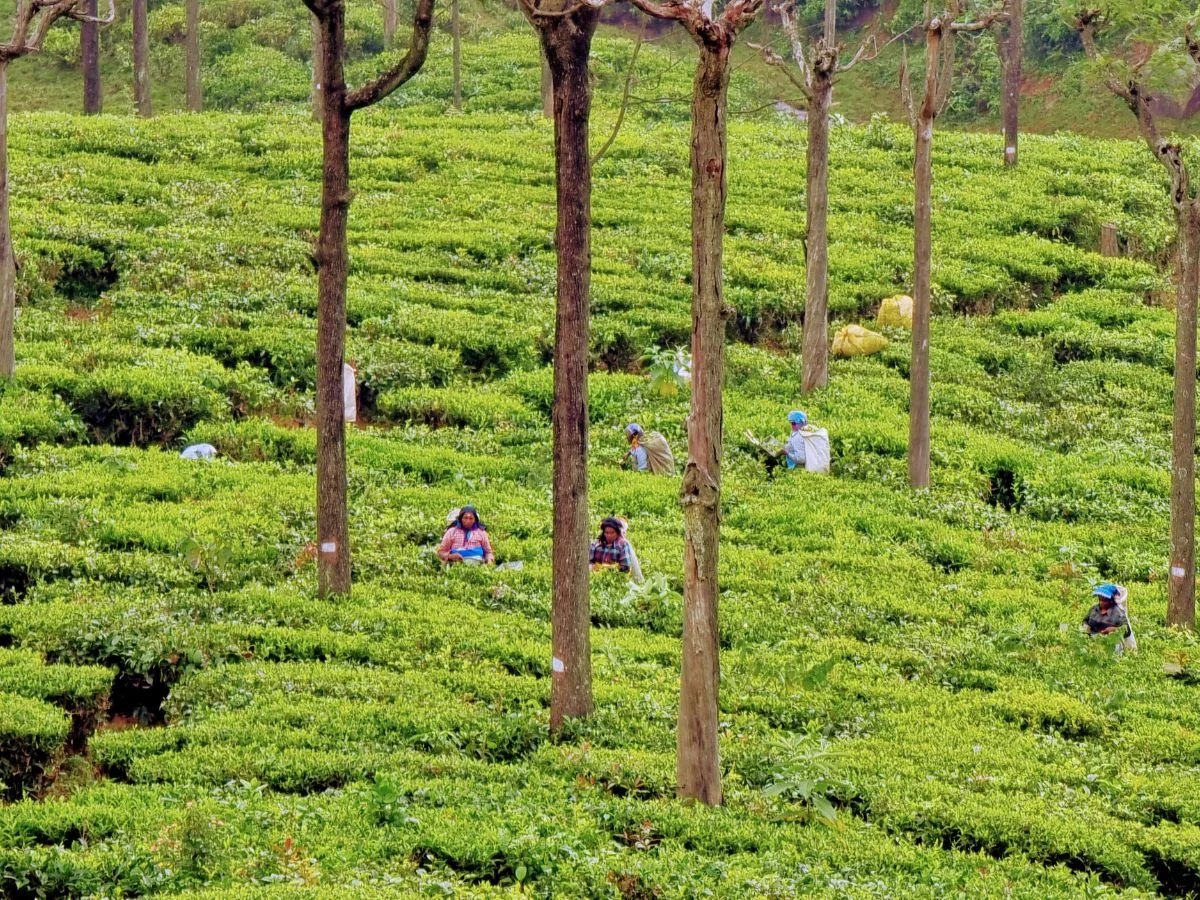
- Tea and Coffee Plantations: Near Gudalur and on the Malabar side of the Nilgiris you can pull over for classic plantation vistas and photographs.
- Small Villages: Stops at roadside hamlets let you sample local snacks and observe rural Nilgiri life; courteous engagement always welcomed.
- Mysuru – Bandipur – Masinagudi – Ooty: A slightly different approach that threads through Masinagudi buffer zones and offers good wildlife viewing opportunities around dusk and dawn.
- Mysuru – Srirangapatna – Gundlupet – Ooty: A route that bypasses some forest stretches but still climbs into the Nilgiris via Gudalur.
- Public transport: Buses and shared taxis operate between major towns, but they may not use the most scenic or wildlife-friendly timings. If wildlife is a priority, private transport or organised tours give more flexibility for early- or late-day safaris.
- Valid ID and vehicle documents
- Enough drinking water and light snacks
- First-aid kit and any personal medications
- Warm layers for Ooty mornings and evenings
- Binoculars and a camera with a zoom lens for wildlife
- Portable phone charger and a printed copy of directions
Permits, Entry Rules and Timings
Bandipur and Mudumalai are protected forest reserves, so there are a few important regulations to note:
Detailed Route Breakdown and Key Stops
Mysuru to Nanjangud (Approx. 25–30 km)
Start early from Mysuru to avoid city traffic and reach Nanjangud, a convenient first stop. Nanjangud has temples, local eateries and fuel stations. Fill up on diesel/petrol here; fuel options may be limited once you enter forest stretches.
Nanjangud to Gundlupet (Approx. 40–45 km)
The route from Nanjangud skirts agricultural land and small towns before reaching Gundlupet, the gateway to the Nilgiris. Gundlupet is the last major town with full services — shops, ATMs and restaurants. If you want to buy snacks or water for the forest stretch, this is the place.
Gundlupet to Bandipur (Approx. 15–20 km)
This short stretch enters Bandipur National Park. Expect wildlife signboards, checkposts and lower speed limits. Keep windows partly closed in areas where animals are sighted, and never feed or approach wildlife.
Bandipur to Mudumalai (Approx. 30–45 km, depending on route)
The drive through Bandipur’s dry deciduous forests transitions into the evergreen and semi-evergreen woodlands of Mudumalai. The road winds through undulating terrain and offers chances to spot elephants, deer, gaur, langurs and an array of birds. There are viewing points and safe pull-outs — use them for photos and binocular checks.
Mudumalai to Gudalur and Ooty (Approx. 40–50 km)
After exiting Mudumalai, the drive continues towards Gudalur, then climbs the Nilgiris’ ghat road towards Ooty. The climb becomes steeper with multiple hairpin turns, forested slopes and lush tea/coffee plantations. Watch for slow-moving trucks and buses on the uphill and downhill sections.
Road Conditions and Driving Tips
Wildlife Etiquette and Safety
Bandipur and Mudumalai are fragile biospheres. Responsible behaviour keeps you safe and protects wildlife:
Scenic Stops and Photo Opportunities
While the drive itself is the main attraction, a few stops are worth planning:
Where to Stay
Accommodation options range from forest lodges and eco-resorts near Bandipur and Mudumalai to homestays and boutique hotels in Gudalur and Ooty. If you prefer waking up to forest sounds, look for accredited forest guest houses or eco-friendly resorts near the reserve boundaries. In Ooty, choices include heritage hotels, hill resorts and budget guesthouses — book early during peak tourist seasons and long weekends.
Alternative Routes and Day-Trip Options
If you want to vary the experience, consider these alternatives:
Packing Checklist for the Drive
Tip: Start your drive early to catch wildlife activity at dawn and to reach the ghat sections before visibility declines. Midday forest traffic and heat are easier to avoid with an early start.
Common Questions
Is the entire route paved?
Most of the main route is paved and suitable for normal cars, but expect stretches with uneven surfaces, potholes or recent repairs — especially after heavy rains. High-clearance vehicles offer more comfort but are not mandatory in good weather.
Will I definitely see wildlife?
Wildlife sightings depend on season, time of day and luck. Early morning and late afternoon are best. While sightings of deer and birds are common, seeing large mammals like elephants or tigers cannot be guaranteed.
Is it safe to travel alone?
Solo travel on this route is common, but take normal precautions: inform someone about your plans, avoid driving through dense forest at night, and ensure your vehicle is well-maintained.
Final Practical Advice
Respect the forests and local communities as you travel. Keep conversations low in sensitive zones, park only in permitted areas, and follow directions from forest staff or police at checkposts. If you plan to stop for a nature walk or safari, book through authorised operators to ensure safety and adherence to conservation rules.
With preparation and patience, the Mysuru to Ooty drive via Bandipur and Mudumalai is an enchanting introduction to the Nilgiris: a blend of wildlife, winding ghats and fragrant hill air. Plan well, drive carefully, and let the hills reveal their quiet beauty at their own pace.
Conclusion: The journey from Mysuru to Ooty through Bandipur and Mudumalai is more than a transfer — it’s a nature-centric road trip. Start early, follow forest rules, keep safety front and centre and savour the changing landscapes from dry plains to misty tea slopes. You’ll arrive in Ooty refreshed, with a weekend’s worth of memories packed into a single drive.