Is Kuta Still Worth Visiting? An Honest Guide
Kuta remains Bali’s busiest beachfront neighbourhood — ideal for first-time travellers, budget visitors and beginner surfers, but it has clear downsides like crowds, noise and commercialisation. This guide helps you decide if Kuta fits your trip and how to get the best out of it.
By TravMe Holidays travel team · · 6 min read
Kuta often divides opinion: to some it’s the lively heart of Bali’s package-tour scene, to others a reminder of the island’s over-commercialisation. Yet for many travellers—especially first-timers, budget tourists and surf beginners—Kuta still offers convenience, energy and easy access to classic Bali experiences. This guide looks honestly at what Kuta is like today, who should visit, what to expect, and how to enjoy it responsibly.
What Kuta Is Like Now
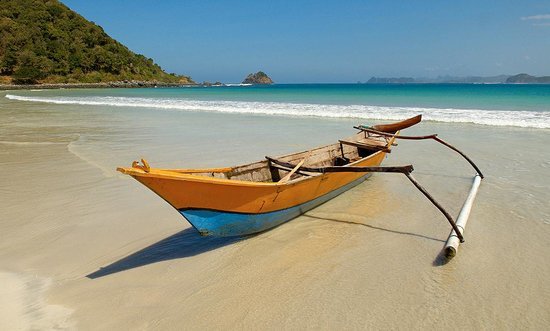
Kuta sits on Bali’s southwest coast, a short drive from Ngurah Rai International Airport, and has historically been the island’s most visited area. It’s a dense, busy neighbourhood with a long sandy beach that catches impressive sunsets. The streets are lined with shops, dance bars, small hotels, surf schools and warungs (local cafés). Expect a constant background hum of scooters, bargaining tourists and vendors selling everything from sunglasses to sarongs.
The good
- Accessibility: Kuta’s proximity to the airport makes it an easy first or last stop for your trip.
- Beginner-friendly surf: The beach breaks are forgiving for lessons, and many surf schools operate along the shore.
- Budget options: From backpacker hostels to low-cost hotels and cheap eats, Kuta suits a tight travel budget.
- 24/7 energy: Nightlife, late dining and shopping mean there’s always something happening.
- Tour services: You’ll find countless tour desks offering day trips, airport transfers and activities—convenient if you prefer organised travel.
The not-so-good
- Crowds and noise: Kuta gets crowded year-round, and the streets and beach can be noisy, especially at night.
- Commercialisation: The area is heavily developed with many international chains and souvenir stalls—less authentic Balinese atmosphere than quieter towns.
- Litter and erosion: Beach cleanliness varies; after storms or busy weekends you may see debris and erosion along the shoreline.
- Pickpocketing and touts: Expect persistent vendors and occasional petty crime; vigilance is necessary.
- Traffic congestion: Narrow streets and many scooters can make short distances slow to cover.
Who Should Visit Kuta?
Kuta works best for specific traveller types. Consider visiting if you are:
- A first-time visitor who wants a lively introduction to Bali with easy logistics and many tourist services;
- A beginner surfer or someone wanting cheap, frequent surf lessons and mellow waves;
- On a budget, needing cheap accommodation, inexpensive food and plentiful nightlife;
- Looking for convenience—airport transfers, quick shopping, and lots of tour operators in one place.
Skip or limit time in Kuta if you want tranquillity, culture-rich experiences or boutique luxury—other Bali spots will suit those aims better.
Making the Most of Kuta
Best times and rhythms
Early mornings are the sweetest time on Kuta Beach: cooler air, fewer people, local joggers and beginner surfers taking their first waves. Save your loud nightlife for the evening and your beach time for sunrise or late afternoon when the light is best and crowds thin a little.
Where to stay
Decide what you want from your stay. If you want to be in the action, choose accommodation near the beachfront or the main Kuta Street. If you prefer something calmer yet close by, look for places in neighbouring Legian or the quieter southern stretches toward Tuban. Families might prefer the more orderly areas around Jimbaran or Sanur while staying within reach of Kuta’s facilities.
Top activities in and around Kuta
- Surf lessons: Many reputable schools offer lessons and board rentals; check reviews and ensure instructors emphasise safety and proper lifeguard supervision.
- Beach time: Walk the long shoreline, enjoy sunset views and watch local surfers and fishermen at work.
- Waterbom Bali: A popular water park in the Kuta area that’s family-friendly and a great way to beat the heat—book ahead during high season.
- Shopping and markets: From malls to local markets, bargain hunting is part of the Kuta experience—practice polite bargaining and check product quality.
- Nights out: Bars, clubs and beachfront sunset spots provide nightlife options—but pick venues with good reviews and avoid overly pushy promoters.
- Day trips: Use Kuta as a base to explore Uluwatu, Tanah Lot, cultural hubs in Ubud, or a quick trip to Nusa Dua’s calmer shores.
Safety, Health and Practical Tips
- Watch the sea: Rips can form, especially at low tide. Swim near lifeguarded sections and check local flags or ask instructors about conditions.
- Secure your belongings: Use hotel safes for passports and valuables; keep wallets and phones secure when out and about.
- Stay hydrated and sun-safe: Tropical sun is strong—use sunscreen, wear hats and carry water.
- Negotiate taxis and rides: Use ride-hailing apps where available or agree a price before hopping into a taxi; watch for unofficial tour offers that seem too pushy.
- Respect local customs: Bali is Hindu—dress modestly at temples, remove shoes where requested, and be polite when photographing locals or ceremonies.
- Responsible spending: Support local businesses and artisans rather than only international chains; consider reusable water bottles and avoid single-use plastics where possible.
Alternatives to Kuta If You Want Something Different
If Kuta’s energy isn’t what you’re after, Bali offers many alternatives within easy reach:
- Seminyak: Upscale shops, boutique hotels and more refined beach clubs; quieter and trendier than Kuta.
- Canggu: Bohemian cafés, rice-field views, surf culture and nightlife aimed at digital nomads and younger crowds.
- Uluwatu and Bingin: Cliffside temples, dramatic beaches and advanced surf breaks—better for scenic beauty and fewer crowds.
- Sanur: Calm seas, a quieter coastal promenade and family-friendly atmosphere on Bali’s east coast.
- Ubud: Inland arts and culture, rice terraces, yoga and a slower pace for those seeking spiritual or cultural immersion.
Quick rule of thumb: choose Kuta for convenience, budget travel and beginner surf; pick other areas for tranquillity, culture or boutique stays.
How Long to Spend in Kuta
Two to three nights are usually enough to experience Kuta’s main draws—surfing lessons, a day at a water park, sunset at the beach and a night out—without feeling overwhelmed. If you enjoy the scene, longer stays are fine, but many travellers split their time between Kuta and quieter parts of the island to balance convenience and culture.
Responsible Travel in Kuta
Being a responsible traveller enhances everyone’s experience. Pick up litter if you can, say yes to locally run warungs and tours, and treat staff and vendors with respect. Avoid activities that exploit animals or ignore local laws. Small actions—like using reef-safe sunscreen and refusing single-use plastics—help preserve Bali’s natural beauty for future visitors.
In short, Kuta is neither a must-see nor a must-avoid; it depends on your travel goals. For energetic, budget-friendly holidays and beginner surfing, Kuta remains practical and fun. For those seeking quieter beaches, cultural depth or boutique luxury, use Kuta briefly and explore other parts of Bali.
Whether you decide to stay, pass through or simply watch a Kuta sunset on your way somewhere else, plan with realistic expectations and a little local courtesy, and you’ll find parts of Kuta that still shine.