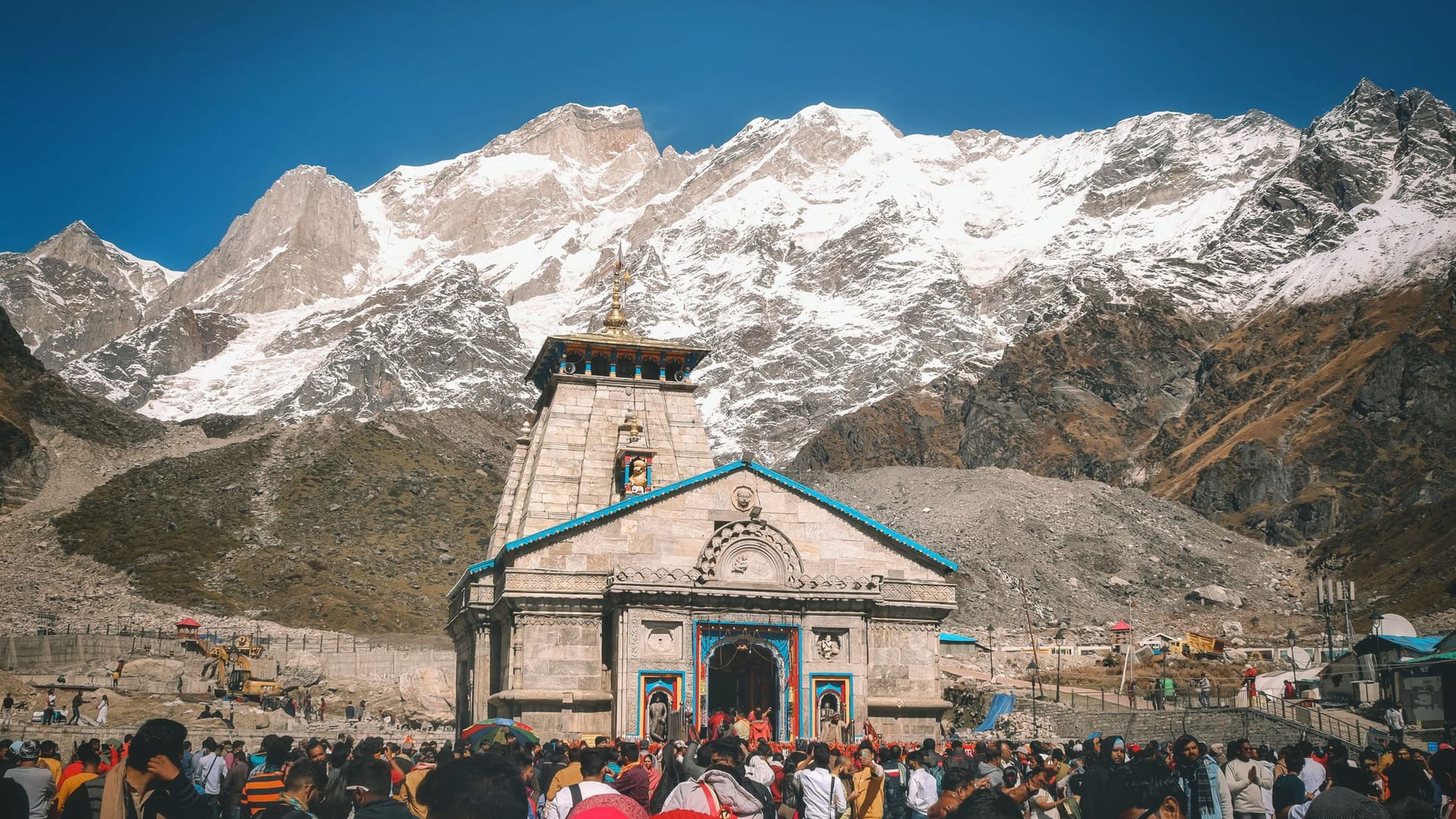
Ideal Route Order for Chardham Yatra and Why It Matters
A practical guide to the best route order for Chardham Yatra—why sequence matters for safety, weather, acclimatisation and spirituality, with recommended itineraries and logistics tips for Indian travellers.
By TravMe travel team · · 7 min read
The Chardham Yatra—Yamunotri, Gangotri, Kedarnath and Badrinath—is a deeply spiritual journey and a logistical challenge rolled into one. Choosing the ideal route order affects not only the smooth flow of travel but also safety, acclimatisation, weather exposure and the quality of your pilgrimage. This article explains the practical and spiritual reasons behind route choices, lays out the most sensible orders, and gives sample itineraries and on-the-ground tips to help you plan a calm, meaningful yatra.
Why Route Order Matters
At first glance, the four shrines can be visited in any sequence, but several factors make the order important in practice.
1. Weather and Seasonal Windows
The Chardham shrines lie across rugged Himalayan terrain and open for darshan at different times. Snow, landslides and river crossings can close roads quickly. Planning your route to follow favourable road openings and minimise exposure to unstable passes reduces the risk of itinerary disruption.
2. Altitude and Acclimatisation
Altitudes vary considerably: Yamunotri and Gangotri are high but approachable by road with short treks; Kedarnath is higher and more strenuous to reach; Badrinath sits at a high plateau but is accessible by road. An order that allows gradual ascent reduces the risk of altitude sickness and keeps the yatra comfortable.
3. Pilgrim Flow and Crowds
Crowds at the shrines have seasonal and directional patterns. Some shrines see heavy morning queues. Choosing an order that spaces out peak days at each shrine can enhance the experience and avoid long waits during limited darshan hours.
4. Logistics: Roads, Base Towns and Helipads
Most travellers use Haridwar or Rishikesh as gateways. From there, road journeys connect to base towns—Barkot for Yamunotri, Uttarkashi for Gangotri, Guptkashi/Joshimath for Kedarnath and Badrinath respectively. Helicopter services, where available, add flexibility and can alter ideal sequencing. A practical route minimises backtracking and overnight shuttles.
5. Spiritual Considerations
Historically, pilgrims follow a purification sequence—river shrines for the Ganga and Yamuna before visiting Shiva and Vishnu shrines. Many believe starting with Yamunotri and Gangotri prepares the pilgrim spiritually for Kedarnath and Badrinath. While personal faith varies, this flow remains meaningful for many yatris.
Common Route Orders Explained
There are a few widely used orders. Each has pros and cons depending on season, fitness, and travel mode.
1. Traditional East-to-West: Yamunotri → Gangotri → Kedarnath → Badrinath
This is the most commonly recommended sequence for first-time pilgrims. It follows the rivers from Yamuna to Ganga, then moves to the Shiva shrine (Kedarnath) and finishes at the Vishnu shrine (Badrinath).
- Pros: Gradual acclimatisation, spiritual continuity, minimal backtracking if using Haridwar/Rishikesh entry points.
- Cons: Requires careful timing to ensure all shrines are open; road disruptions can impact the middle of the trip more.
2. Reverse West-to-East: Badrinath → Kedarnath → Gangotri → Yamunotri
Some travellers prefer to begin with Badrinath and move eastwards. This may suit those flying into Dehradun and taking a clockwise circuit via Joshimath.
- Pros: Good when weather or road conditions favour the western approach early in the season; may ease helicopter connections from Joshimath.
- Cons: Steeper ascent earlier in the trip; can feel less traditionally sequential.
3. Two-Base Split: Yamunotri & Gangotri First, Then Kedarnath & Badrinath
Logistically smart: use Haridwar/Barkot/Uttarkashi loop for the river shrines, return to Rishikesh/Haridwar, then proceed via Srinagar/Guptkashi/Joshimath for the mountain shrines. This split reduces long road transits and allows shorter, focused drives between shrines.
- Pros: Less stressful road travel, better rest periods, flexible helicopter options.
- Cons: Requires returning to the plains briefly, which some pilgrims dislike.
Recommended Itineraries
Below are sample itineraries for different travel styles. Modify days to suit pace and local conditions.
10–12 Day Moderate Pace (Recommended for most Indian pilgrims)
- Day 1: Arrive Haridwar/Rishikesh. Preparations and puja.
- Day 2: Drive to Barkot (base for Yamunotri).
- Day 3: Yamunotri darshan and return to Barkot.
- Day 4: Drive Barkot to Uttarkashi (base for Gangotri).
- Day 5: Gangotri darshan and return to Uttarkashi; drive towards Guptkashi.
- Day 6: Reach Guptkashi/Sonprayag; relax and prepare for Kedarnath trek/helipad transfer.
- Day 7: Kedarnath darshan and return to Guptkashi.
- Day 8: Drive to Joshimath / Govindghat to approach Badrinath direction.
- Day 9: Badrinath darshan and return to Joshimath/Haridwar.
- Day 10–12: Buffer days for weather delays or return travel.
7–8 Day Tight Schedule (For fit, time-pressed pilgrims)
- Fly into Dehradun early, drive to Barkot and cover Yamunotri/Gangotri fast.
- Use helicopter services where available for Kedarnath to save time.
- Finish with Badrinath and fly back; expect long drives and short rests.
12–15 Day Relaxed Itinerary (For those wanting time for darshan and sightseeing)
Include extra days in Uttarkashi and Joshimath, add a day for local sightseeing (e.g., Rudraprayag, Chopta, Auli), and keep buffer days for road closures. This pace reduces stress and allows for proper acclimatisation.
Choosing Transport: Road, Trek or Helicopter
Your chosen route order will be influenced heavily by transport mode.
Road Travel
The most economical and flexible option for Indian travellers. Roads are scenic but winding; expect long hours. Road-first planners usually adhere to the traditional Yamunotri→Gangotri→Kedarnath→Badrinath sequence to keep drives contiguous.
Trek Option
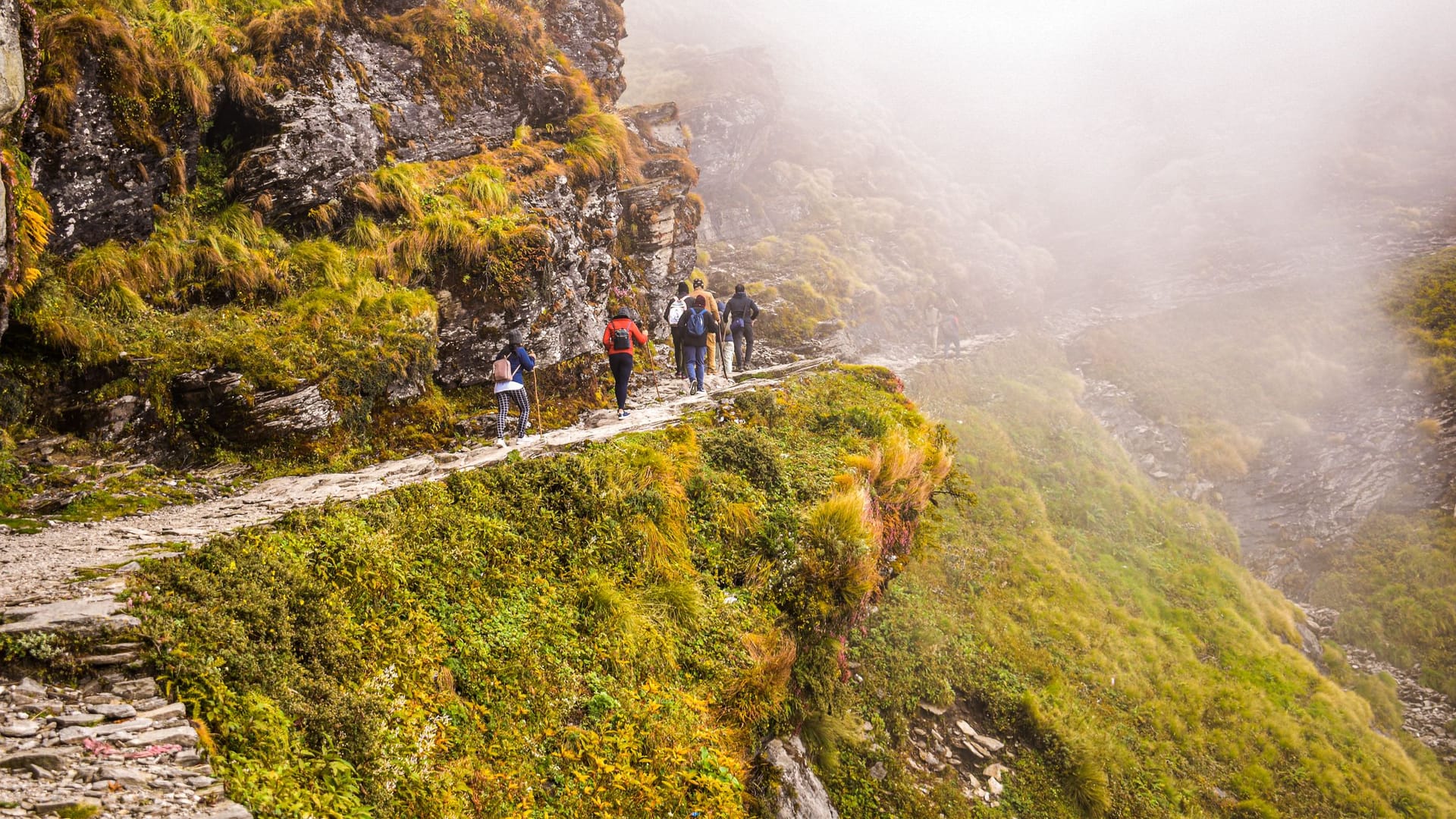
Treks to Kedarnath and Yamunotri offer spiritual immersion. If trekking, allow extra days and build acclimatisation into the schedule. A trek-first or middle approach changes how you order the shrines to accommodate rest days.
Helicopter Transfers
Heli services reduce physical strain and save time but depend on weather. Pilgrims who prefer helis may choose a mixed order—using helis for the most remote shrines and road for others—so flexibility in your sequence is useful.
Practical Tips to Finalise Your Route
- Check opening dates and road status: Confirm shrine opening/closing dates and real-time road conditions before locking the sequence.
- Prioritise acclimatisation: Allow a rest day after reaching Uttarkashi or before attempting Kedarnath.
- Book buffer days: Weather and landslides cause delays—add 1–2 buffer days in your itinerary.
- Prefer early starts: Mountain roads are safest in the morning; aim to complete long drives before afternoon.
- Pack smart: Layered clothing, basic medicines, trekking shoes and a first-aid kit are essential.
- Local guidance: Use experienced local drivers and guides familiar with the seasonal behaviour of roads and rivers.
Essential takeaway: For most pilgrims, starting with Yamunotri and Gangotri, then proceeding to Kedarnath and finishing at Badrinath provides the best blend of spiritual flow, acclimatisation and logistical ease—but be ready to adapt to weather and transport realities.
Health, Safety and Permits
Health and safety should guide your route decisions. Altitude sickness is real—watch for symptoms like headache, nausea, dizziness and shortness of breath. Keep hydrated and ascend gradually. Carry identity proof and any required permits; check local administration websites for updates on entry requirements or restricted zones. Ensure travel insurance covers high-altitude rescue if you are taking treks or helicopter services.
Seasonal Planning
The Chardham Yatra season typically runs from late April/May to October, with exact dates set by shrine authorities. Pre-monsoon months are generally smoothest for road travel, while the monsoon increases landslide risk. Early in the season, snow may delay openings—this is where route flexibility and buffer days are crucial.
Final Checklist Before You Go
- Confirm shrine opening dates and local advisories.
- Book accommodation and key transfers in advance for peak season.
- Decide on a primary route order and two alternative plans in case of closures.
- Pack layered clothing, sturdy footwear, and a basic medical kit.
- Inform family/friends of your itinerary and keep a local contact number.
Choosing the ideal route order for the Chardham Yatra is a balance between tradition and practicality. The Yamunotri→Gangotri→Kedarnath→Badrinath flow works for most pilgrims because it follows spiritual logic, eases acclimatisation and minimises unnecessary backtracking. However, be prepared to adapt based on weather, transport options and your own health and pace. With thoughtful planning and respect for the mountains, the Chardham Yatra can be both a safe journey and a deeply rewarding spiritual experience.
Wishing you a safe, peaceful and fulfilling yatra—may your pilgrimage bring clarity and calm.