How to Reach Varanasi by Air, Rail and Road
Practical guide to reaching Varanasi by air, train and road from across India, with tips on transfers, local transport, booking and best times to travel. Covers Lal Bahadur Shastri Airport, major railway stations, highways and onward connections to the ghats.
By TravMe travel team · · Updated · 7 min read
Varanasi (Kashi) is one of India’s oldest living cities and a major spiritual, cultural and educational hub. Whether you’re planning a short pilgrimage, a cultural trip, or a long stay to soak in the songs of the Ganga, getting to Varanasi is straightforward by air, rail or road. This guide explains practical options, local transfers and useful tips so you can reach the ghats with minimal fuss.
Reaching Varanasi by Air
Lal Bahadur Shastri International Airport (BHU) is Varanasi’s primary airport. Located on the outskirts, it handles regular domestic flights and a limited number of international services. The airport is well connected to major Indian metros, making air travel the fastest and most convenient way to reach Varanasi for travellers from distant cities.
Airlines and Connectivity
- Major Indian carriers operate multiple daily flights to Varanasi from Delhi, Mumbai, Kolkata, Bengaluru, Chennai and Hyderabad.
- There are also good connections from other regional hubs and smaller airports via direct or one-stop flights.
- Some international flights operate seasonally or via nearby airports; check schedules as they change with demand.
Arrival and Transfers to the City
The airport is roughly 20–30 kilometres from central Varanasi (depending on which ghats or neighbourhood you’re heading to), and the transfer typically takes 30–60 minutes by road.
- Prepaid airport taxi counter: Available at the arrival area; a reliable option if you prefer fixed fares and authorised vehicles.
- App-based cabs: Ola and Uber operate in Varanasi and can be booked from the airport. These provide cashless options and vehicle tracking.
- Private hotel transfers: Many hotels and guesthouses offer pick-up services—confirm ahead and share your flight details.
- Shared shuttles and buses: There are occasional shuttle services and local buses, but these may not be convenient with heavy luggage or late-night arrivals.
Tips for Flying to Varanasi
- Book flights well in advance for festivals such as Dev Deepawali, Shivratri or Diwali—seats sell out quickly and fares rise.
- If your stay includes a visit to Sarnath, mention this to drivers—Sarnath is about 10–15 km from the city centre.
- During monsoon and winter, allow extra time for travel between the airport and the city due to traffic or fog-related delays.
Reaching Varanasi by Rail
Rail is often the preferred choice for domestic travellers, offering direct connectivity from most major Indian cities and a variety of train services to suit different budgets and schedules. Varanasi has a couple of important railway stations serving long-distance passengers.
Main Stations
- Varanasi Junction (BSB): The primary station closest to the old city and many hotels; well-equipped with waiting rooms, retiring rooms and food stalls.
- Manduadih / Banaras (BSBS): Another major station handling many long-distance trains; convenient for certain routes and often less crowded than the main junction.
Types of Trains and Routes
All categories of long-distance trains serve Varanasi—from superfast expresses and Rajdhanis to ordinary mail/express trains. Typical routes include:
- Direct trains from Delhi, Mumbai, Kolkata, Chennai, Bengaluru, Patna and other major centres.
- Premium trains such as Rajdhani or Shatabdi on some routes, and numerous overnight express trains.
- Regional and intercity trains connecting nearby cities such as Prayagraj (Allahabad), Lucknow and Gorakhpur.
Booking and On-Ground Tips
- Use IRCTC or authorised travel portals for advance bookings; reservation windows open weeks in advance and popular trains can fill quickly, especially around festivals.
- Consider Tatkal bookings if you need last-minute travel—availability is limited and prices can be higher.
- Arrive at the station at least 30–45 minutes before departure for reserved trains, and earlier for unreserved or crowded services.
- Porter services are available at major stations but agree on a rate beforehand or rely on station counters.
Reaching Varanasi by Road
Varanasi has an extensive road network and is easily reachable by road from neighbouring states and cities across Uttar Pradesh. The city lies on major national highways and is part of several long-distance bus routes.
Highways and Distances (Approximate)
- Delhi to Varanasi: A long but popular road route linking via the national highway network; overnight or two-day drives are common for private-car travelers.
- Lucknow to Varanasi: Well-connected via state and national roads; commonly travelled by buses and cars.
- Prayagraj (Allahabad) to Varanasi: Short drive and a frequent intercity route.
- Gorakhpur and other eastern UP towns: Regular bus services and private vehicles make this accessible.
Bus Options
- State-run buses: Uttar Pradesh State Road Transport Corporation (UPSRTC) operates express and ordinary buses connecting Varanasi to district headquarters and neighbouring states.
- Private luxury buses: Volvo and sleeper coaches run from major cities—comfortable for overnight journeys.
- Intercity buses: Frequent services from nearby cities like Lucknow, Prayagraj and Gorakhpur.
Driving to Varanasi
If you prefer a road trip, driving can be rewarding—through varied landscapes and small towns. Consider these points:
- Plan pit stops and overnight halts for longer drives; road conditions can vary outside major corridors.
- Follow motorway and highway signage; GPS navigation works well in most areas but keep paper directions for remote detours.
- Fuel stations are common along major routes, but availability may be sparse on some secondary roads—refuel when you can.
From Arrival Points to the Ghats: Local Transport in Varanasi
Once you reach Varanasi, the real journey begins—navigating the narrow lanes, fragrant lanes and riverfront ghats. Here are the practical options for local movement:
- Auto-rickshaws and cycle rickshaws: Ideal for short distances and weaving through congested lanes. Negotiate fares beforehand or insist on the meter where available.
- E-rickshaws: A popular, economical and low-emission option for short trips around the old city.
- App-based cabs: Useful for longer distances, airport transfers and day trips to Sarnath.
- Walking: Many parts of the old city and the ghats are best explored on foot—comfortable footwear is essential.
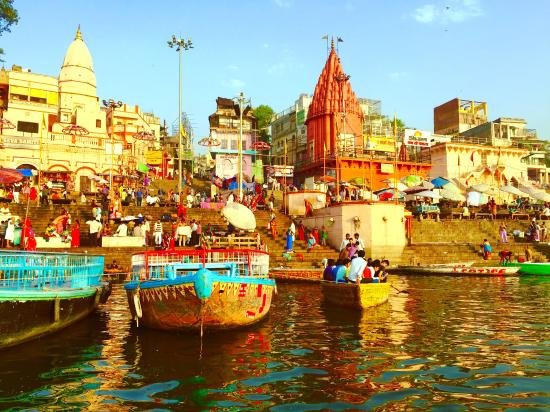
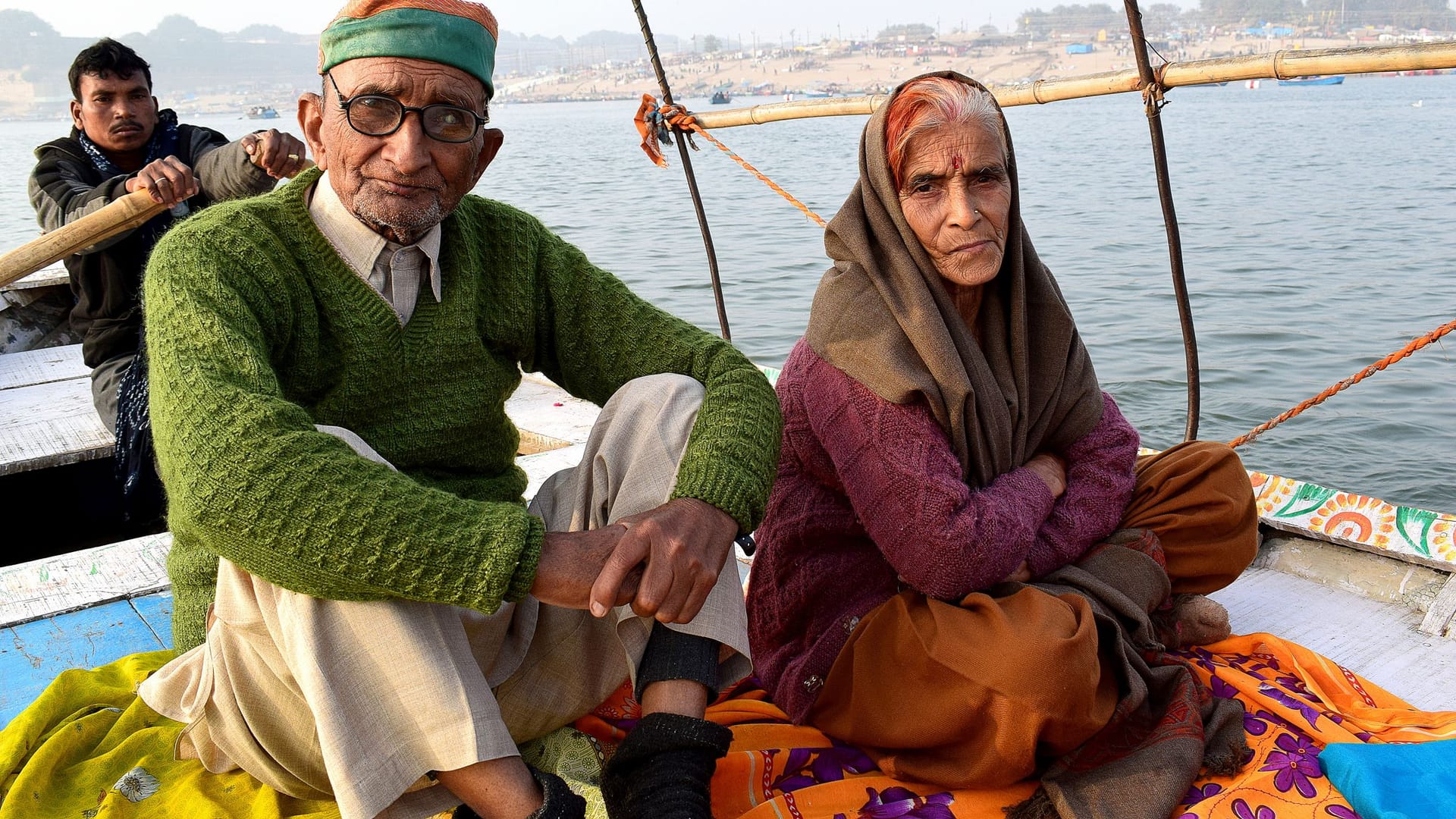
- Boats: For an authentic experience, hire a boat at the Dashashwamedh or Assi ghat for sunrise or evening aarti views. Discuss duration and fare before embarking.
Best Time to Travel and Seasonal Advice
Varanasi can be visited year-round but climate and crowd patterns influence the experience:
- Winter (October to March): Pleasant days and cool mornings—ideal for ghats, boat rides and walking tours. Popular with tourists and pilgrims.
- Summer (April to June): Can be hot and humid; early morning and late evening activities are more comfortable.
- Monsoon (July to September): The city receives good rainfall; rivers swell and there is a lushness to the landscape—carry rain protection and expect occasional delays on roads.
- Festival periods: Events like Dev Deepawali, Ganga Mahotsav and major Hindu festivals draw large crowds—book travel and accommodation in advance and allow extra time for local movement.
Practical Safety and Comfort Tips
- Keep copies of identity and travel documents when travelling by train or air—carry one original and scan backups in your phone.
- Use authorised taxi counters or recognized app services for airport and station pickups, especially at night.
- Carry a small amount of local currency for rickshaws, boatmen and small purchases; digital payments are widely accepted but cash is handy in older markets and ghats.
- Respect local customs—dress modestly when visiting temples and ghats, and follow any local guidance during rituals.
- If you have mobility concerns, plan transfers and accommodation close to the ghats—some lanes are steep and not vehicle-friendly.
Tip: For a serene start, try to schedule a dawn boat ride on the Ganga—arrive early, book a reliable boatman and enjoy the unfolding rituals on the ghats.
Connecting to Nearby Destinations
Varanasi is a convenient base to visit nearby spiritual and cultural sites:
- Sarnath: Less than 15 km from central Varanasi; a short taxi or bus ride to the Buddhist stupas and museum.
- Ayodhya, Gorakhpur and Prayagraj: Reachable by road or train for multi-city itineraries across eastern Uttar Pradesh.
- Rural and cultural tours: Day trips to village Ghats, weaver communities and religious circuits are easily arranged through local operators.
Conclusion
Varanasi welcomes travellers by air, rail and road with well-established connections and a variety of onward transport options. Choose air travel for speed, trains for comfort and scenic overnight journeys, or road travel for flexibility and exploration. Plan around festival peaks, pre-book popular services, and keep local transport strategies in mind to reach the ghats relaxed and ready to explore the timeless rhythms of Kashi.