How to Reach Chardham Yatra Starting Points from Across India
Planning a Chardham Yatra from anywhere in India? This guide explains how to reach the four pilgrimage starting points—Yamunotri, Gangotri, Kedarnath and Badrinath—by air, rail and road, with practical tips for a smooth journey.
By TravMe travel team · · 6 min read
Chardham Yatra is a deeply spiritual pilgrimage across Uttarakhand’s high Himalaya, drawing thousands of devotees each season. Reaching the four dhams—Yamunotri, Gangotri, Kedarnath and Badrinath—requires a bit of planning because each shrine lies in a different valley and has its own access routes. This guide breaks down ways to reach the starting points from major Indian cities, explains local transport, seasonal variations and safety considerations to help you plan confidently.
Overview: Where the dhams are and practical seasonality
The four dhams are spread across Garhwal: Yamunotri and Gangotri in the Uttarkashi/Haridwar region, Kedarnath in Rudraprayag district, and Badrinath in Chamoli. The pilgrimage season typically opens in late April or May and runs through October or November, depending on weather and the winter closure dates announced by state authorities.
Road conditions, snowfall and river crossings affect accessibility; some shrines require moderate to strenuous treks, while others are reachable by road or heli-services. Always check live weather and road updates before travel.
Nearest airports and how to use them
Air travel is the fastest way to reach the region from distant Indian cities. The principal airports serving Chardham are:
- Jolly Grant Airport (Dehradun) — Closest for Yamunotri, Gangotri and convenient for Kedarnath approach. From here, you can hire private taxis or take state-run buses toward Uttarkashi, Srinagar (Garhwal) and Rudraprayag.
- Bhubaneswar / Others — Some travellers approach Badrinath via longer overland routes from the plains; however, most domestic travellers use Dehradun for all dhams, combining with rail and road transport.
Flights to Dehradun operate from Delhi, Mumbai, Bengaluru, and a few other metropolitan cities. Book early during the pilgrimage season, and plan for onward road travel that may take several hours to reach base towns.
Rail options: closest stations and onward road links
Uttarakhand’s hilly terrain limits rail connectivity. The key railheads are:
- Haridwar Railway Station — Major railhead with frequent trains to and from Delhi, Howrah and other cities. From Haridwar you can travel by road to Rishikesh, Barkot, Uttarkashi and onward to Yamunotri and Gangotri.
- Rishikesh — A smaller station but convenient for road departures to Devprayag, Srinagar (Garhwal) and routes into the hills.
- Dehradun — For some trains; use this if your itinerary prioritises speed to the western Garhwal valleys.
From railheads, regular buses, shared taxis and private cabs connect pilgrims to the dhams’ base towns. Reserve long-distance trains and plan the last-mile road journey duration before booking.
How to reach each dham: routes and tips
Yamunotri
Base town: Barkot or Janki Chatti (depending on route). Yamunotri sits at a higher altitude requiring a trek from the last motorable point. Common approaches:
- From Dehradun/Haridwar: Drive to Barkot (approx. 8–10 hours from Dehradun depending on road) and then to the parking at Janki Chatti or Kharsali. A pony/palki or a trek of a few kilometres leads to Yamunotri shrine.
- Heli services: Available from select bases in the season for those on short timelines or with mobility constraints; book through authorised operators only.
Roads can be narrow and winding; leave early in the morning to avoid night driving and to accommodate army or maintenance closures.
Gangotri
Base town: Uttarkashi. Gangotri sits at a higher hilltop, accessible by road up to a few kilometres from the temple.
- From Dehradun/Haridwar: Drive via Mussoorie-Uttarkashi. Uttarkashi is the usual staging point; the road from there is motorable to Gangotri’s parking area. On-foot access from the parking is short and manageable for most pilgrims.
- Public transport: State buses and private taxis run to Uttarkashi from Haridwar/Rishikesh.
Kedarnath
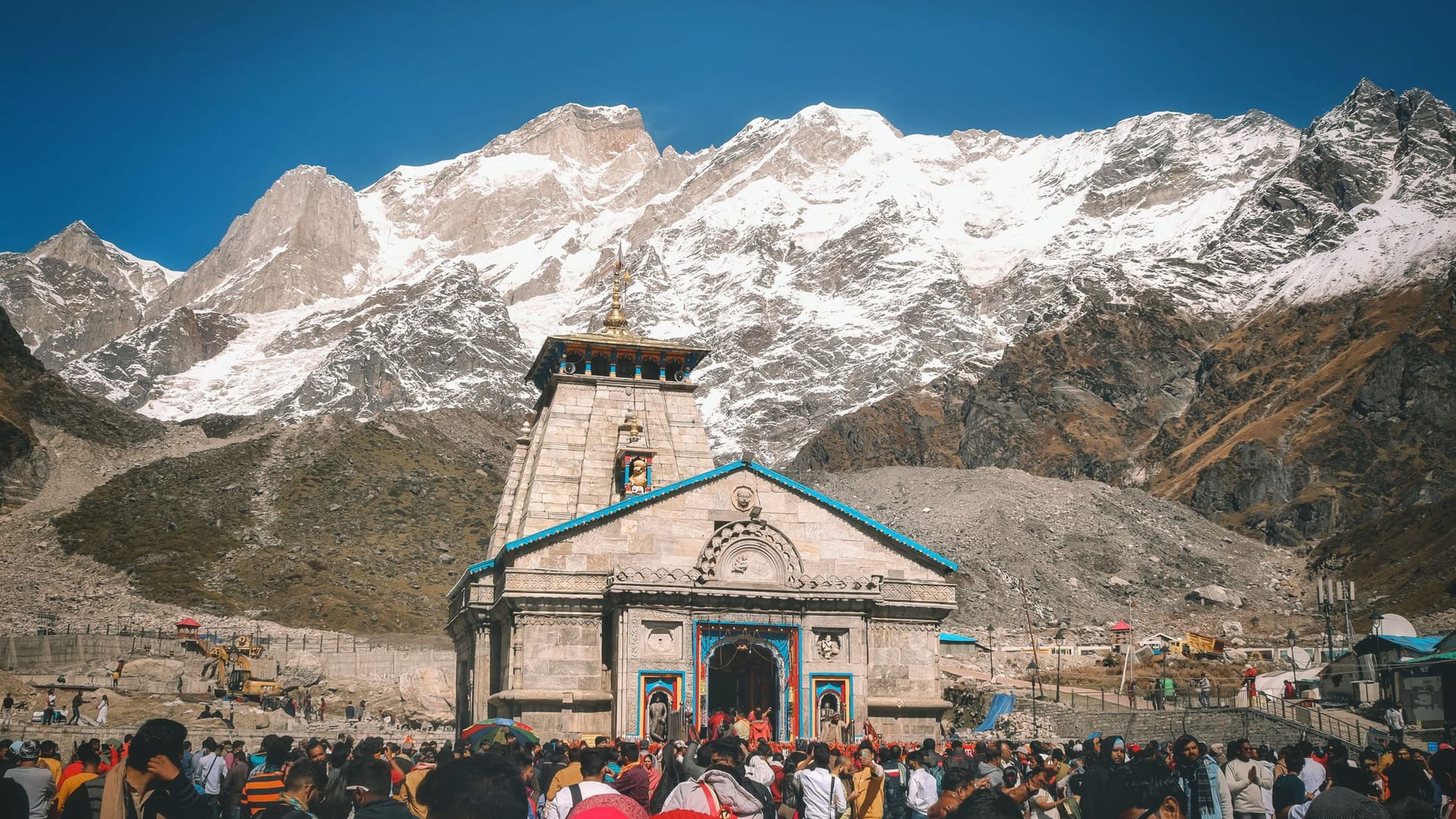
Base town: Gaurikund and the town of Sonprayag/Pipalkoti/Rudraprayag region depending on route. Kedarnath temple is reached either by a steep trek from Gaurikund (approx. 16–20 km depending on the route entry) or by helicopter service to the helipad near the shrine.
- From Dehradun/Haridwar: Drive to Sonprayag/Gaurikund via Rishikesh, Devprayag and Rudraprayag. The mountain road is lengthy and can take many hours; many pilgrims break the journey at Rishikesh or Guptkashi.
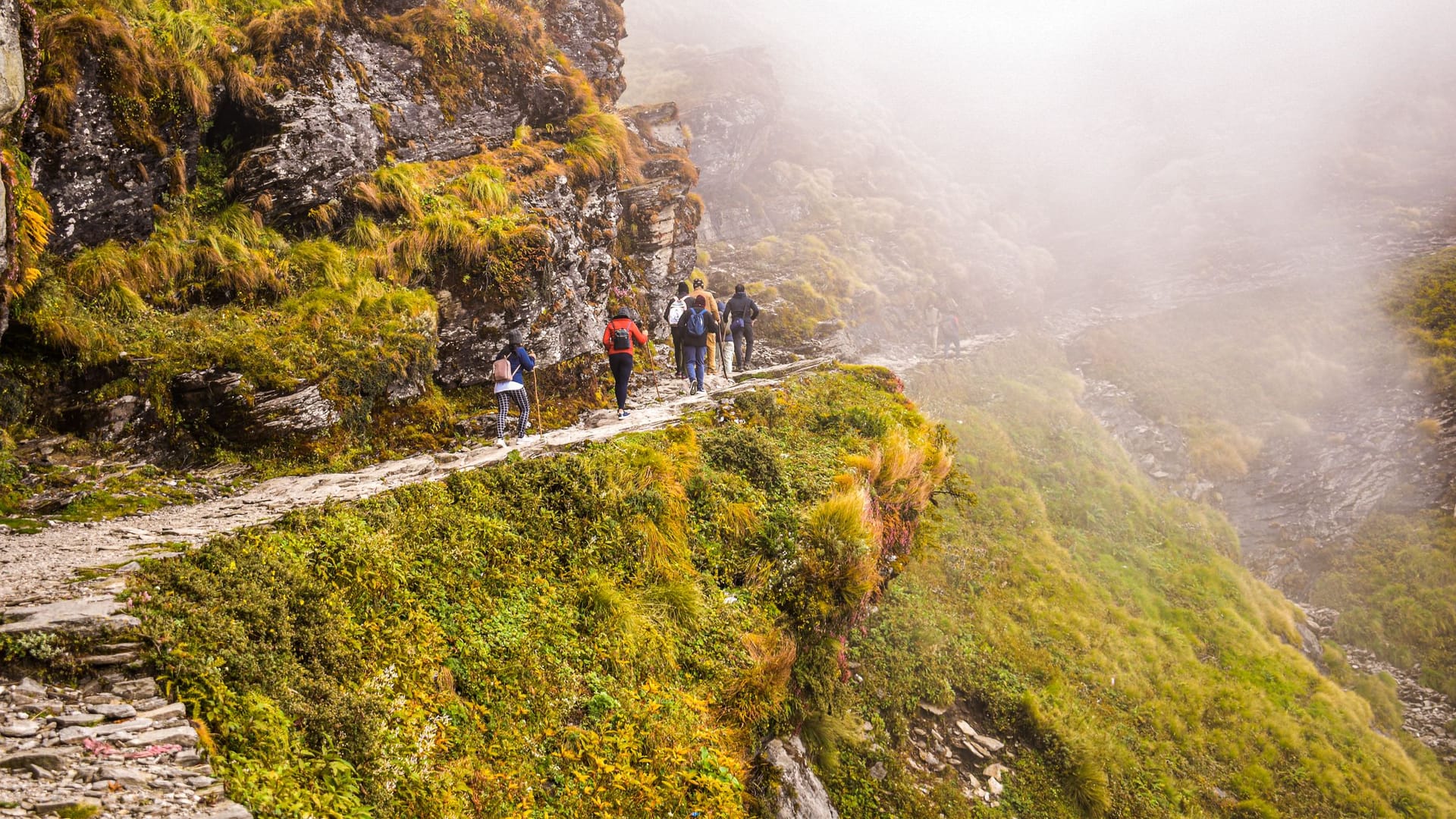
- Trekking options: Treks vary in difficulty; plan for acclimatisation, rest days and pack suitable footwear. Ponies, palanquins and porter services are available for parts of the route.
- Helicopter services: Available from various bases (Phata, Phoolchatti, or Dehradun depending on the season). These can save time but must be booked through authorised counters and are subject to weather cancellations.
Badrinath
Base town: Badrinath town itself is motorable and sits on NH-7 (approx.). It is the easiest of the four to reach by road.
- From Dehradun/Haridwar: Drive to Joshimath, then continue to Badrinath. Regular buses and shared taxis operate from major towns such as Rishikesh and Haridwar during the season.
- By rail and air: Use Haridwar/Rishikesh or Dehradun for onward road transport. The final stretch is through scenic but high-altitude roads.
Getting to the region from major Indian cities
From Delhi: Many pilgrims prefer starting from Delhi. Drive or take a train to Haridwar/Rishikesh, then continue by road to the relevant base towns. Flights to Dehradun are also an option for quicker access.
From Mumbai/Bengaluru/Chennai: Best route is to fly to Dehradun, or to Delhi and take a connecting train/flight. If flying into Dehradun is not convenient, trains to Haridwar followed by road travel remain reliable.
From Kolkata and East India: Fly to Dehradun via Delhi or travel by train to Haridwar and continue by road. Badrinath and Kedarnath are accessible by longer road journeys across varied terrain.
Permits, passes and safety considerations
- Check for any required permits, registrations or e-passes. Uttarakhand government occasionally requires registrations for certain routes and for helicopter bookings.
- Carry a valid photo ID. Keep photocopies or digital scans of your documents accessible.
- Altitude and weather: Sudden rains, landslides and snowfall can alter plans. Allow buffer days and avoid rigid schedules during monsoon and early winter.
- Health: Be mindful of altitude sickness signs—headache, nausea, dizziness. Hydrate, ascend gradually and consult a doctor if symptoms persist.
Packing and travel tips
- Layered clothing: Temperatures vary widely between lowland approaches and high-altitude shrines. Warm layers and waterproof outerwear are essential.
- Footwear: Sturdy, broken-in trekking shoes for Kedarnath and Yamunotri sections; comfortable walking shoes for Gangotri and Badrinath approaches.
- Medicines and first-aid: Include altitude sickness tablets (as recommended by a physician), basic analgesics, and blister care items.
- Cash and essentials: ATMs become scarce in remote towns; carry sufficient cash for local purchases, porter services or small shops.
- Respect local customs and temple guidelines. Photography rules and dress codes may apply inside certain temples.
Booking: transport, accommodation and helicopter services
During peak season, book trains, flights and accommodation well in advance. Government guesthouses, dharamshalas and private hotels fill up quickly. For helicopter transfers, use authorised counters and retain confirmation vouchers. Consider staging stays in Rishikesh, Uttarkashi, Guptkashi and Joshimath to split long road journeys into manageable legs.
Final checklist before you leave
- Confirm temple opening and closing dates for the season.
- Verify road conditions and live traffic alerts for Himalayan routes.
- Carry contact numbers of local authorities, police posts and the accommodation where you’ll stay.
- Inform family or friends about your itinerary and expected check-in times, especially if trekking.
Tip: Start early every morning for mountain drives; daylight travel reduces risks and gives you time to enjoy the scenery.
Chardham Yatra is a transformational blend of devotion, endurance and Himalayan beauty. Whether you prefer to trek, drive or fly part of the way, careful planning around access points, weather windows and local services makes the journey smoother and more fulfilling. Prepare well, respect the mountains, and allow time for both the pilgrimage and the quiet moments along the route.