How to Plan Your First South India Holiday Step by Step
A practical, step-by-step guide to planning your first South India holiday — choose the right region, set an itinerary, book smart, pack appropriately and savour local experiences with confidence.
By TravMe travel team · · Updated · 6 min read
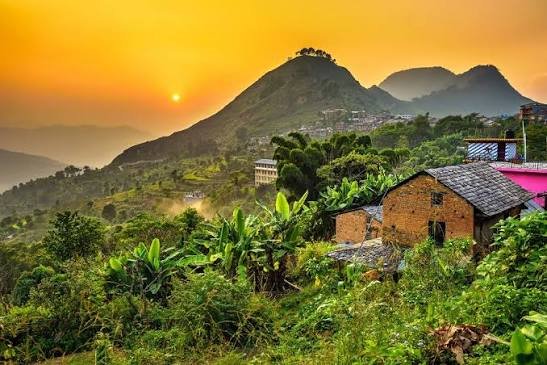
South India is a splendid mix of palm-fringed coastlines, misty hill stations, classical temples, spice-scented backwaters and vibrant food culture. For first-time visitors, planning can feel overwhelming. This guide breaks down the process into manageable steps so you can build an itinerary that matches your interests, budget and travel pace.
Step 1: Decide how much time you have
Before anything else, confirm the length of your holiday. South India fits many trip lengths, but planning depends heavily on time:
- Long weekend (3–4 days): Pick one city or region—Chennai museums, Pondicherry’s French quarter, or a short Kerala backwater stay.
- One week: Combine two nearby experiences—Madurai and Rameswaram, or Kochi and Munnar.
- 10–14 days: Cover two or three states comfortably—Kerala’s backwaters, Karnataka’s Hampi or Mysore, and Tamil Nadu’s temple trails.
- 2+ weeks: Explore deeper—coastal drives, hill stations, wildlife and cultural cities across multiple states.
Step 2: Pick the regions that match your interests
South India comprises Kerala, Tamil Nadu, Karnataka, Andhra Pradesh and Telangana, plus the union territories of Puducherry and Lakshadweep. Each offers distinct experiences:
- Kerala: Backwaters, Ayurveda, houseboats, hill stations like Munnar, wildlife and tranquil beaches.
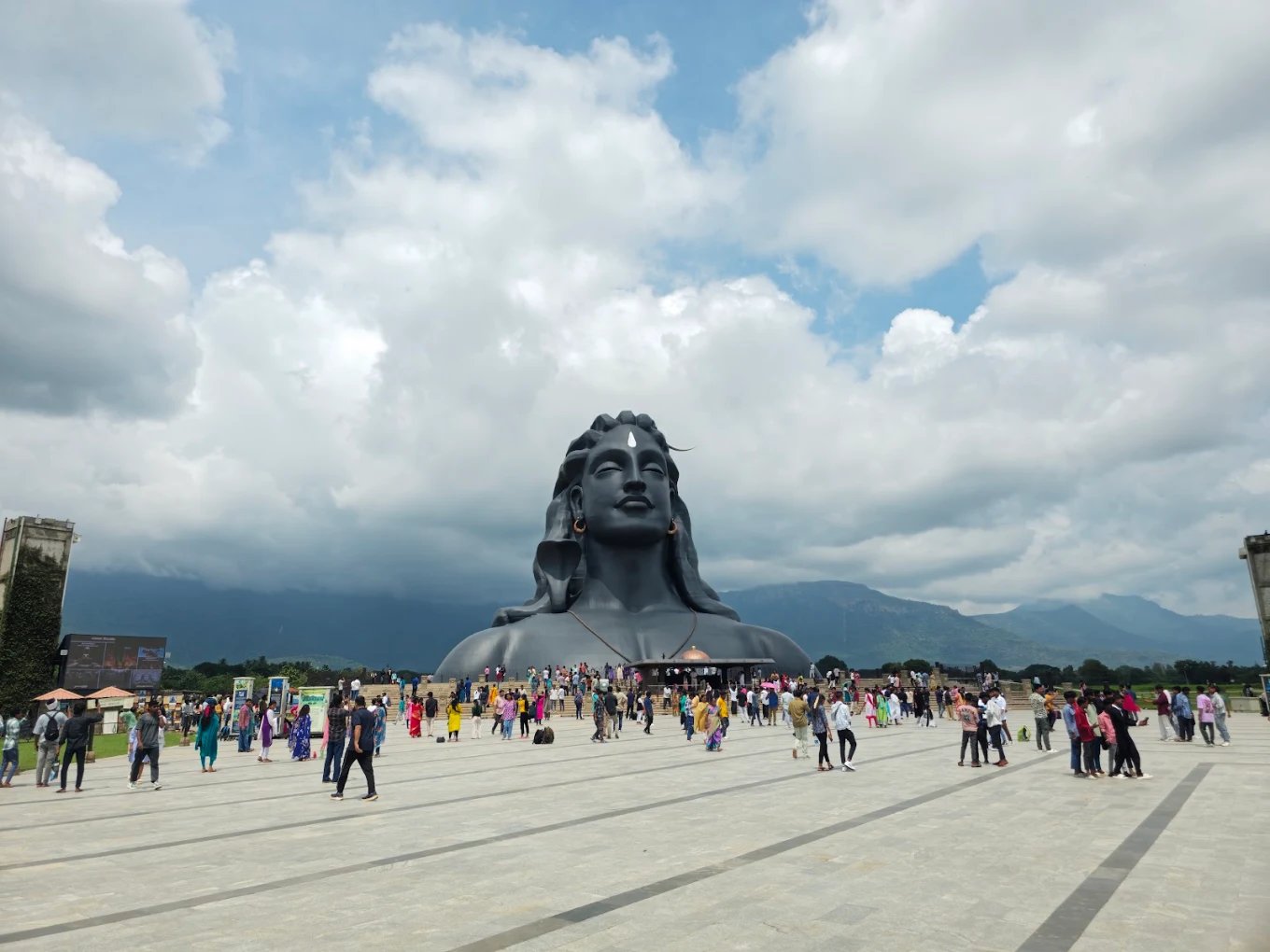
- Tamil Nadu: Ancient temple architecture (Madurai, Thanjavur), classical arts, and coastal towns like Mahabalipuram.
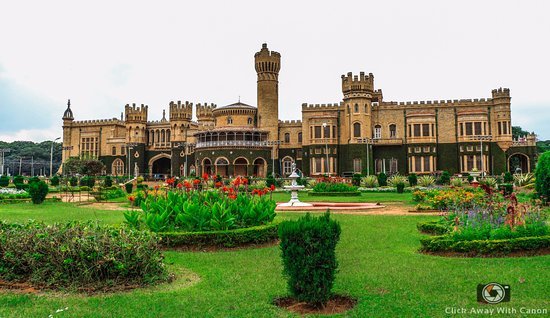
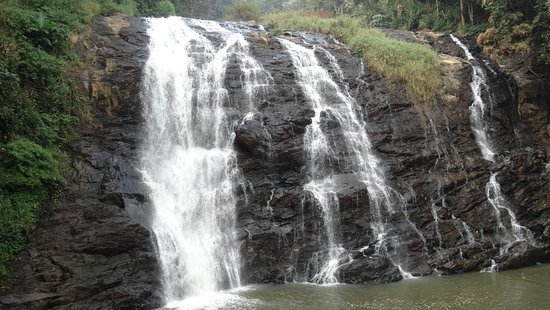
- Karnataka: Hampi’s ruins, Mysore’s palaces, Coorg’s coffee estates and Bangalore’s cosmopolitan scene.
- Andhra Pradesh & Telangana: Historic sites, coastal cuisine, Hyderabad’s heritage and biryani culture.
- Puducherry: French-colonial charm, cafes, beaches and a quiet seaside vibe.
Step 3: Choose a travel style and pace
Be realistic about how much you like to move around. South India rewards both relaxed and activity-driven trips:
- Relaxed: Base yourself in two locations and take day trips—ideal for backwaters, beaches and hill stations.
- Explorer: Short stays in many places—good for temple trails, ruins and city highlights.
- Adventure: Include treks, wildlife safaris and river activities; plan extra buffer days for travel fatigue.
Step 4: Best time to visit — match weather to activities
South India’s climate is warm year-round, but seasons matter:
- November to February: Cool and dry — peak season for hill stations, backwaters and most outdoor sightseeing.
- March to May: Hotter — good for coastal escapes and early-morning activities in hill stations.
- June to September: Monsoon — Kerala is spectacular for monsoon-special Ayurveda and lush landscapes; some trekking routes may be closed.
- October: Transition month — festivals begin and weather improves.
Step 5: Plan an itinerary — sample routes for first-timers
Here are practical sample itineraries you can adapt depending on time and interests.
7-day relaxed Kerala
- Day 1–2: Kochi—Fort Kochi, spice markets, Kathakali performance.
- Day 3–4: Munnar—tea gardens, viewpoints and light walks.
- Day 5–7: Alleppey backwaters—houseboat overnight and village walk.
10-day Tamil Nadu temple & coast
- Day 1–2: Chennai—temples and Marina Beach.
- Day 3–4: Mahabalipuram—shore temples and sculptures.
- Day 5–6: Pondicherry—French quarter, Auroville visit.
- Day 7–10: Madurai and Rameswaram—temples and coastal shrine.
Two-week south swap: Culture to hills
- Start in Bangalore—city culture and day trips to Nandi Hills.
- Mysore—palace, silk and markets.
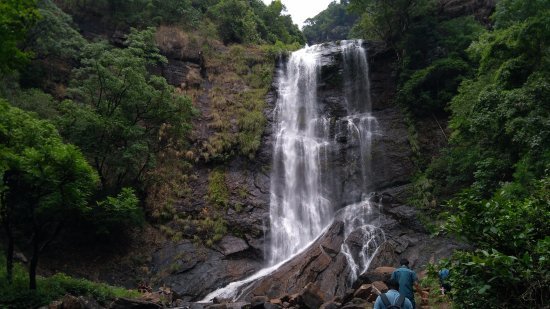
- Coorg—coffee estates and waterfalls for a couple of days.
- Head to Wayanad or Munnar for hill station relaxation before returning home.
Step 6: Transport — how to move between and within places
South India has a robust transport network. Choose based on distance, comfort and time:
- Flights: Best for long distances (e.g., Chennai to Kochi) when time is limited.
- Trains: Comfortable overnight trains link many major cities and are an economical choice. Book in advance for AC berths.
- Road trips: Hire a car with a driver for flexibility—excellent for region-hopping and scenic drives.
- Local transport: Buses, auto-rickshaws and app taxis are widely available in cities and towns.
Step 7: Book accommodation strategically
Choose accommodation that supports your travel pace and interests. Consider:
- Location: Stay near the attractions you plan to visit to avoid long daily commutes.
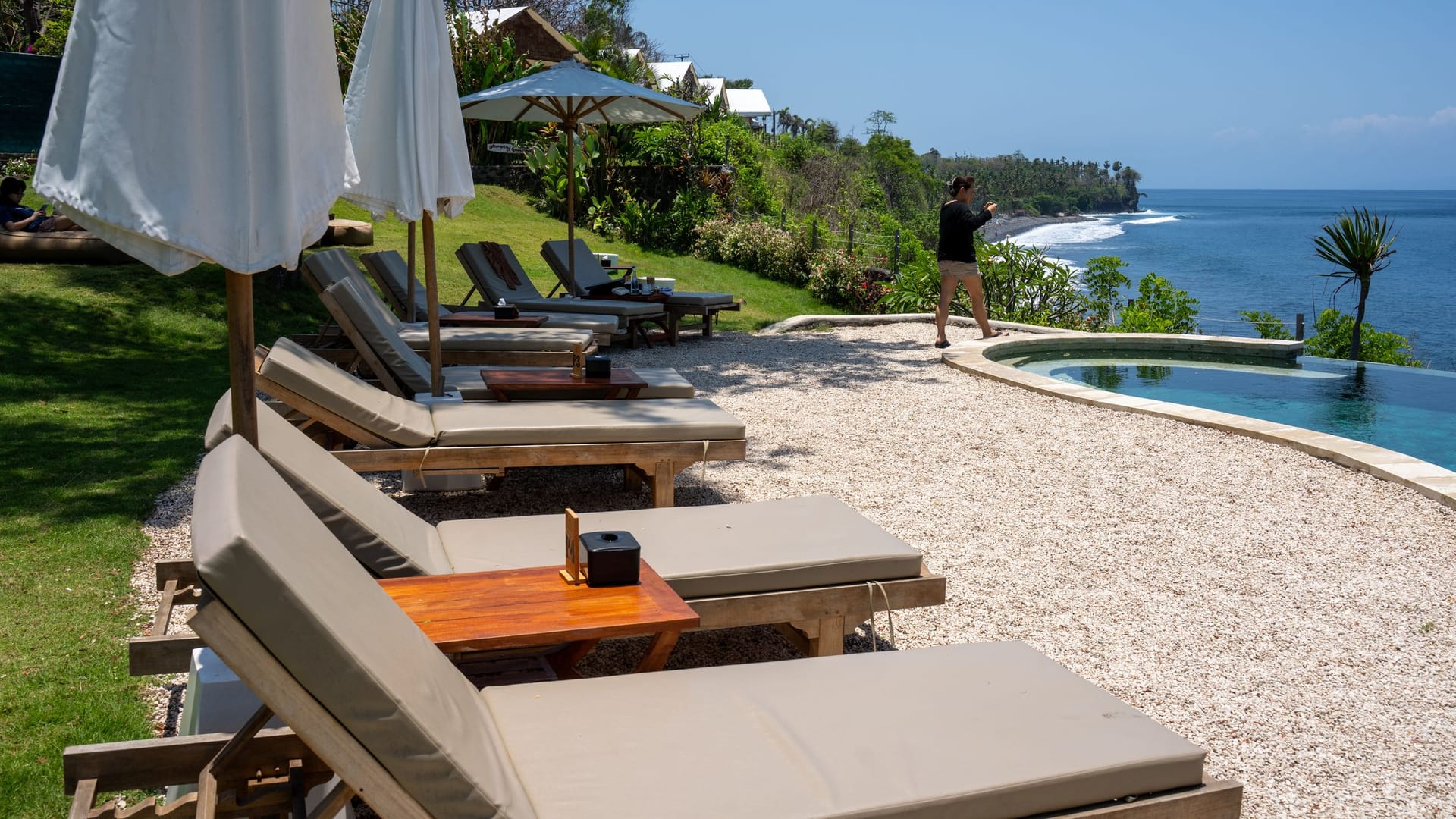
- Experience: Houseboats and homestays offer authentic local flavour; boutique hotels and heritage properties provide comfort and character.
- Facilities: If you’re travelling during the monsoon, ensure good drainage and indoor activities at your stay.
Step 8: Food, health and safety tips
South Indian cuisine is varied and generally very safe for travellers, but keep these tips in mind:
- Try local staples—dosa, idli, sambar, seafood specialities and regional sweets. Street food is delicious; choose busy stalls with good turnover.
- Stay hydrated, use bottled water if you are unsure of local supply and carry oral rehydration sachets for emergencies.
- Pack basic medicines for stomach upset, fever and minor injuries. If you have prescription medicines, carry a copy of the prescription.
- Respect local customs at temples: dress modestly, remove footwear, and follow photography rules.
Step 9: Packing checklist for South India
Pack smart according to the season and activities planned:
- Light, breathable clothing for coastal and city days; a warm layer for hill stations and early mornings.
- Comfortable walking shoes, flip-flops for beaches and a pair of good trekking shoes if you plan hikes.
- Sunscreen, sunglasses, a wide-brim hat and insect repellent.
- Reusable water bottle, power bank, universal adaptor and photocopies of ID and travel documents.
Step 10: Make cultural experiences part of the plan
South India’s strength is its living culture. Incorporate experiences that enrich your trip:
- Attend a classical dance or music performance (Bharatanatyam, Carnatic concerts) where possible.
- Visit a spice plantation or coffee estate for a guided tour and tasting.
- Take a cooking class to learn regional dishes and bring the flavours home.
- Explore local markets early in the morning to see daily life and find authentic souvenirs.
Tip: Allow for relaxed time in your itinerary. A single unplanned afternoon in a market, a quiet temple courtyard or a hilltop café can become the highlight of your trip.
Step 11: Budgeting and bookings
Plan bookings based on seasonality. Peak months fill up fast—book flights, trains and lodgings early. Keep an emergency fund for unexpected local experiences or changes. Compare direct bookings and travel platforms for deals and cancellation flexibility.
Step 12: Responsible travel practices
South India’s environment and heritage benefit from responsible travel:
- Choose eco-friendly accommodation when possible and avoid single-use plastics on trips.
- Be mindful of wildlife rules—maintain safe distances and do not feed animals.
- Support local businesses—eat at family-run eateries, buy handicrafts from artisans and hire local guides.
Final preparations before you leave
A day or two before departure, re-check confirmations, download offline maps and local transport apps, and notify banks if you plan to use cards abroad. Share your itinerary with a family member and note down nearby emergency contacts at your destinations.
Planning your first South India holiday becomes far simpler when you break it into these steps: set your travel window, pick the regions and style, choose sensible transport, book key stays early and leave room for spontaneous local discoveries. The region is welcoming, diverse and full of gentle surprises—approach it with a flexible mind and a curious appetite.
Conclusion: With a clear timeframe, a prioritised list of interests and a flexible itinerary, your first trip to South India will be richly rewarding. Mix heritage, nature, food and relaxation in proportions that suit you, and let the region’s hospitality make the rest of the journey effortless.