How to Plan an Uttarakhand Trip on a Sensible Budget
Practical, budget-friendly advice to plan an Uttarakhand trip—covering when to go, travel and stay options, cheap food and transport tips, trek permits, packing, safety and smart itineraries for value seekers.
By TravMe Holidays travel team · · 5 min read
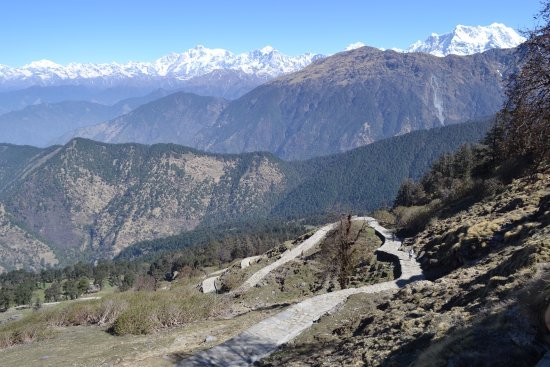
Uttarakhand’s soaring peaks, sacred rivers and quiet hill towns make it one of India’s most appealing destinations — and you don’t need to spend a fortune to experience its best. With a little planning, local know-how and flexibility, you can enjoy nature, culture and adventure on a sensible budget. This guide helps you make choices that save money without sacrificing comfort or the true Uttarakhand experience.
Choose the right time to travel
Timing affects both your expenses and the experience. Peak seasons — summer months and major festivals — bring higher prices and crowded spots. Shoulder seasons (late spring and early autumn) offer pleasant weather, fewer crowds and better value on accommodation and transport. Monsoon months bring heavy rain in many areas, but if you want verdant landscapes and lower rates, some high-altitude regions remain accessible and cheaper; just check road and trail conditions in advance.
Plan an itinerary that minimises travel costs
Uttarakhand is large and mountainous; long, winding roads can eat time and money. Design an itinerary that clusters nearby places to reduce transit days. Some popular low-cost route ideas:
- Dehradun – Mussoorie – Dhanaulti: Easy hill circuit from the plains, short drives and many budget stays.
- Rishikesh – Haridwar – Rajaji National Park: Spiritual towns and wildlife with affordable guesthouses.
- Nainital – Bhimtal – Mukteshwar: Kumaon lakes and viewpoints, doable by bus or shared taxi.
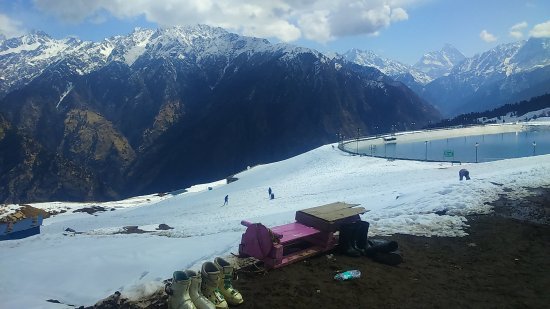
- Joshimath – Auli (off-season trekking alternative): For snow or alpine meadows, combine public transport and group trekking to save.
Transport tips: get there and get around cheaply
Nearest major railheads and airports (Dehradun, Kathgodam, Rishikesh/Dehradun airport) connect Uttarakhand to the rest of India. To save:
- Book trains and flights early for lower fares and more options.
- Use state-run buses for intercity travel — they’re reliable and cost-effective.
- Shared taxis and tempo travellers are common for hill routes; splitting the fare makes them economical.
- For local travel, prefer walking in hill towns and hire scooters or local buses where available.
Accommodation: how to balance comfort and cost
Accommodation ranges from dorm-style hostels to boutique hill resorts. Tips to reduce your lodging bill:
- Choose guesthouses, homestays and family-run hotels — they give local flavour and are usually cheaper than branded hotels.
- Book rooms with shared bathrooms if you don’t mind the trade-off; many budget options maintain good cleanliness standards.
- Stay in town centres or near bus stands to cut intra-destination travel costs.
- Consider multi-night stays at one base and take day trips to nearby attractions to avoid frequent check-ins and check-outs.
Food and drink: enjoy local cuisine affordably
Local eateries and dhabas serve hearty meals at reasonable prices. Practical tips:
- Eat at small family-run restaurants and vegetarian thalis for nutritious, low-cost options.
- Try street snacks and local specialities (like bhatt ki dal in Kumaon) at neighbourhood stalls — they’re cheap and authentic.
- Carry refillable water bottles and use water purification tablets or filters when needed; buying large bottles is sometimes cheaper than many small ones.
Adventure and permits: budget for what matters
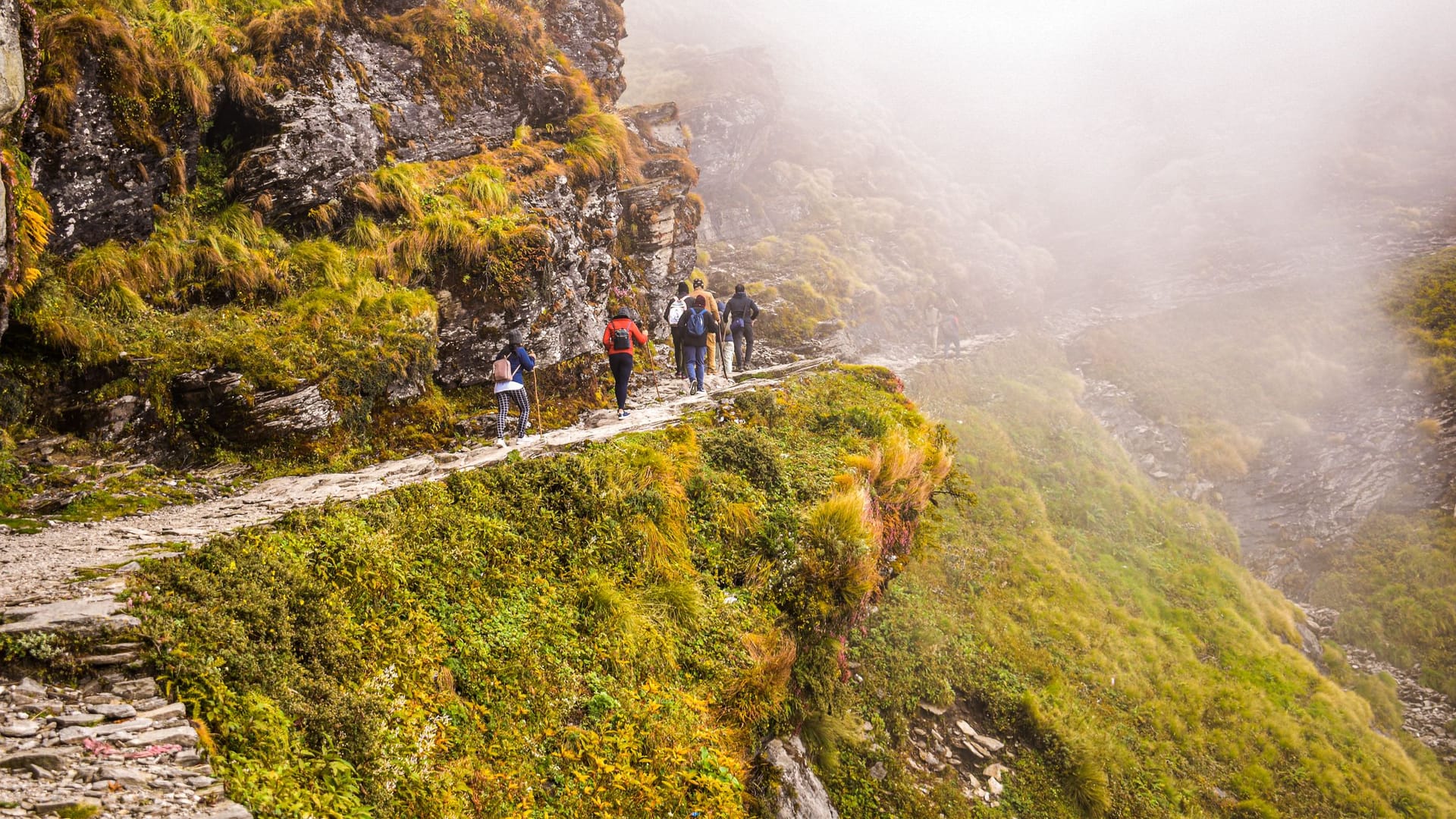
Many treks, sanctuaries and pilgrimage areas require permits. These add to your cost but are essential for safety and conservation. To manage expenses:
- Research permit requirements early — some can be arranged online, others at local offices.
- Join group treks rather than hiring private guides, or find local licensed guides to split costs.
- Choose shorter or less popular treks if you want a guided experience without the premium charged for marquee trails.
Packing smart to avoid extra expenses
Poor packing can force you to buy expensive gear on the road. Essentials to pack depending on season:
- Layered clothing, sturdy walking shoes, rainwear and a warm jacket for higher altitudes.
- Basic first-aid, blister plasters, sunscreen and insect repellent.
- Reusable water bottle with a filter and a compact torch — small items that cut recurring costs.
Money-saving booking strategies
Use flexible booking and local resources to get better deals:
- Book transport and accommodation early for peak windows, but be flexible with dates to snag discounts.
- Compare platforms and contact homestays or guesthouses directly — many owners offer lower rates for direct booking.
- Consider weekday stays in popular spots; rates and crowds are often lower than weekends.
Safety, health and travel insurance
Saving money should not mean skipping safety. Buy a travel insurance policy that covers high-altitude sickness, trekking (if applicable), and evacuation. Keep copies of emergency contacts and local help numbers. When trekking or visiting remote areas, inform local authorities or your host about your plans and expected return. Stay hydrated and acclimatise properly when ascending to higher elevations.
Sustainable, respectful budget travel
Low-cost travel can also be low-impact. Support local economies by choosing local guides, eating at village eateries and buying handicrafts directly from artisans. Avoid single-use plastics, respect local customs and dispose of waste responsibly — many fragile ecosystems in Uttarakhand need care to remain beautiful and accessible.
Sample low-cost day plan
Here’s a practical example of how a single day can be budget-friendly yet fulfilling:
- Early morning walk or local viewpoint at sunrise (free).
- Breakfast at a local dhaba — simple and hearty.
- Use public bus or shared taxi to visit a nearby attraction (split fares with fellow travellers).
- Packed lunch or inexpensive local thali at a small restaurant.
- Late afternoon explore a market or temple and enjoy street snacks.
- Evening at a homestay where dinner may be included in the room rate.
Tip: Chat with your host — homestay owners often suggest lesser-known sights and cheaper, safer travel options that aren’t listed online.
Final checklist before you leave
- Confirm accommodation and transport bookings; keep digital and printed copies.
- Check weather and road conditions for hill routes and high-altitude passes.
- Pack copies of identity documents and any required permits.
- Inform someone at home about your itinerary and emergency contact details.
Uttarakhand rewards slow travel and curiosity. By choosing the right season, using public transport, staying in homestays, eating local food and joining group outings, you can enjoy the state’s natural and cultural wealth without overspending. A sensible budget does not mean compromising on memorable experiences — it means making thoughtful choices that let you soak in the mountains, rivers and rhythms of this beautiful region.