3-Day Ranikhet Itinerary for a Quiet Cantonment Getaway
A relaxed 3-day Ranikhet itinerary crafted for a peaceful cantonment retreat—covering how to reach, day-by-day plans, food, stays, local tips and packing essentials for a stress-free Uttarakhand escape.
By TravMe Holidays travel team · · 6 min read
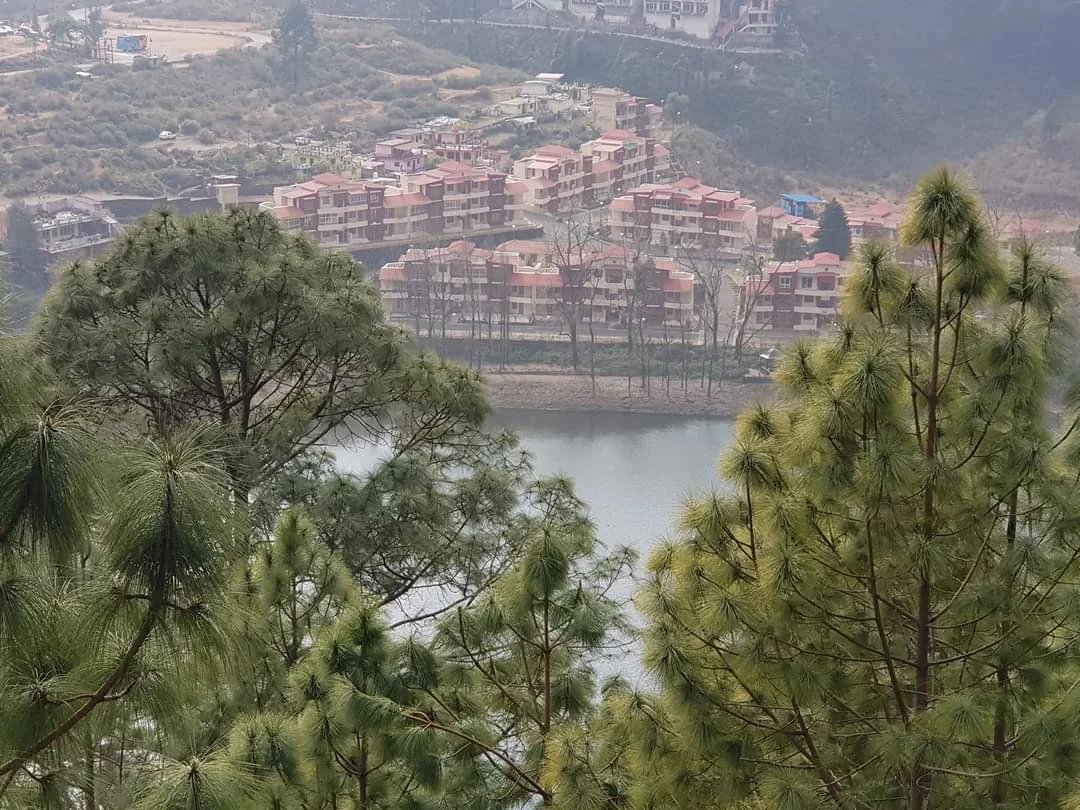
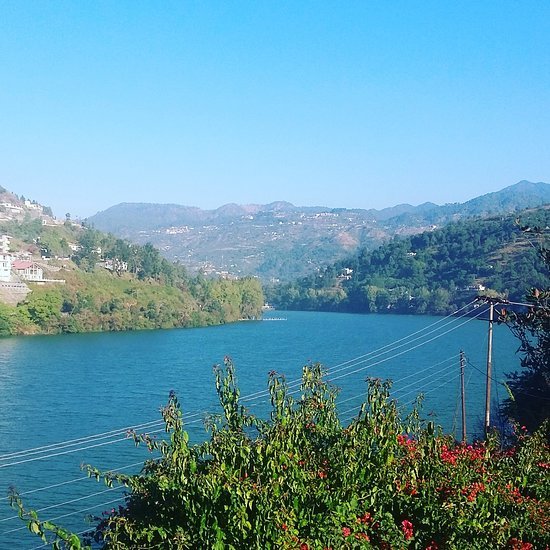
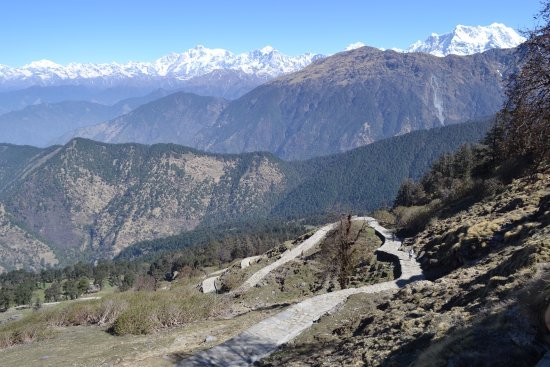
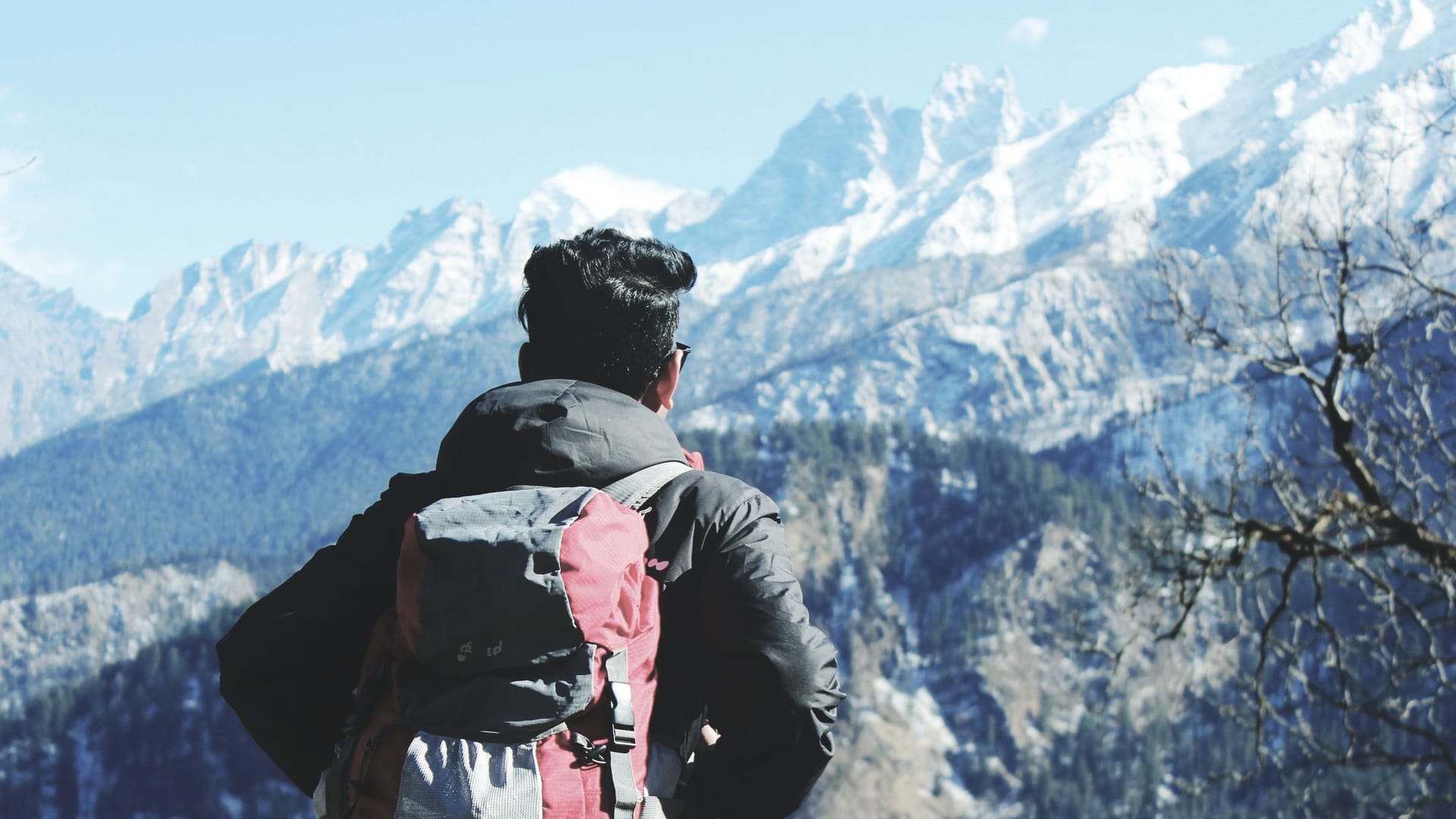
Ranikhet, perched amidst the Kumaon hills of Uttarakhand, offers a serene cantonment ambience, pine-scented trails and sweeping Himalayan views. This 3-day itinerary is designed for travellers seeking a quiet getaway—balancing gentle walks, heritage sights and time to simply breathe in cool mountain air.
Before You Go: Practical Info
Getting There
Ranikhet is well connected by road. The nearest major railway station is Kathgodam, about 60 km away; from there taxis and buses ply to Ranikhet. Pantnagar airport is the closest airport with limited connectivity. By road, Almora and Nainital are comfortable drive options that allow you to combine Ranikhet with other Kumaon destinations.
When to Visit
The best months are March to June for pleasant weather and October to November for clear skies and trekking-friendly conditions. Winters bring cold and occasional snowfall; ideal if you enjoy festive, snowy charm. Monsoons can be wet with landslide risk on some roads, so check local conditions before travelling.
Permits and Cantonment Rules
Ranikhet retains its cantonment character. While there is no special permit for tourists, visitors should respect military zones and signage. Photography in restricted areas is not permitted; look for local notices and follow instructions from authorities.
What to Pack
- Layered clothing—thermal innerwear for colder months, a light jacket for spring/summer evenings.
- Comfortable walking shoes and a small daypack for short hikes.
- Sun protection: hat, sunglasses and sunscreen.
- Basic medicines, mosquito repellent, and a reusable water bottle.
- Power bank and a torch if you plan evening walks; some quieter homestays may have limited charging points.
Day 1: Arrival, Leisurely Walks and Sunset Views
Morning: Arrival and Settling In
Arrive in Ranikhet by late morning if possible. Choose accommodation within or close to the cantonment area to enjoy the colonial charm and easy access to walking routes. After check-in, take time to unpack and acclimatise; a short tea or snack in your hotel or homestay will help you get into holiday mode.
Afternoon: Stroll Through the Cantonment
Begin with an unhurried walk along the winding cantonment roads lined with deodars and pines. Visit the local market to pick up traditional handicrafts such as woollens and handmade carpets. The town’s scale makes wandering a pleasure—stop for photos of vintage houses and the occasional military parade ground.
Evening: Sunset at Chaubatia Gardens
A short drive from the town centre takes you to Chaubatia Gardens, famous for its orchards of apples, peaches and apricots. The gardens offer panoramic views of the Himalaya and are particularly lovely at sunset. Spend some quiet time on the benches, watch villagers and orchard workers, and savour the cooling air.
Day 2: Heritage Sights, Temples and Short Treks
Morning: Jhula Devi Temple and Haidakhan Babaji Temple
Start early and visit Jhula Devi Temple, a local pilgrimage site known for its colourful atmosphere and serene setting. Nearby, Haidakhan Babaji Temple—built of stone—offers calm and a chance to observe daily puja rituals. Both spots are accessible by short walks from central Ranikhet and offer vantage points for mountain views.
Late Morning: Golf Course and Library
Ranikhet’s golf course, one of the highest in India, is a pleasant place for a low-energy stroll; golfers and non-golfers alike can enjoy its manicured greens and Himalayan backdrop. Near the golf course, the Hailey Rifle Club and other cantonment institutions reflect the town’s colonial heritage. The Ranikhet library and small museums provide context about local history if you enjoy short cultural stops.
Afternoon: Short Hike to Mankameshwar or Bhalu Dam
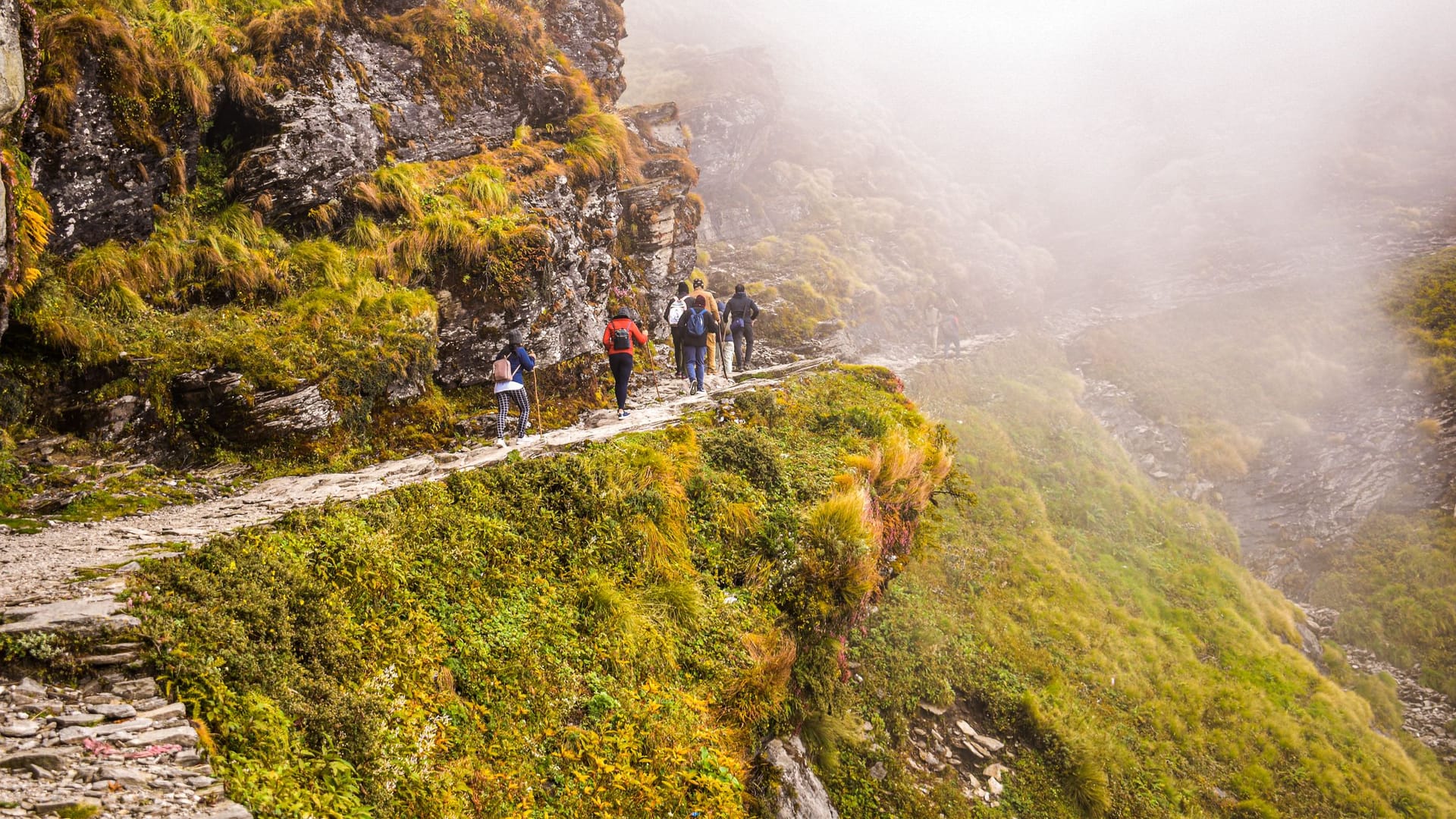
For a gentle outdoor experience, take the well-marked trail to Mankameshwar or the Bhalu Dam area. These routes are suitable for all fitness levels and reward you with quiet forested sections and occasional viewpoints. Pack water and light snacks; the paths are ideal for birdwatching and photography.
Evening: Quiet Dinner and Stargazing
Return to your stay for a relaxed dinner—many homestays and small hotels serve home-style Kumaoni cuisine. After dinner, step outside for stargazing; Ranikhet’s limited light pollution makes for a lovely night sky in clear weather.
Day 3: A Touch of Local Life and Easy Excursions
Morning: Village Walk and Local Breakfast
Spend your final morning exploring a nearby village or the edges of the cantonment where local life unfolds at a gentle pace. Enjoy a traditional Kumaoni breakfast—simple, wholesome dishes like singauri, batiya or local parathas—at a family-run eatery to experience authentic flavours.
Late Morning: Kalika Temple and Picnic Spot
Visit Kalika Temple, located on a hilltop with sweeping views of the valleys below. The temple is peaceful and less frequented by tourists, ideal for reflection and photography. Nearby grassy knolls make for a pleasant picnic spot if you carry packed food or snacks.
Afternoon: Leisure Time and Last-Minute Shopping
Use the afternoon to revisit a favourite spot—perhaps the cantonment promenade or a hillside viewpoint. Pick up any last-minute souvenirs such as handmade shawls, local jams and pickles from Chaubatia orchards, or locally produced honey. Enjoy an early dinner or high tea before departure.
Where to Stay: Quiet Options for a Cantonment Getaway
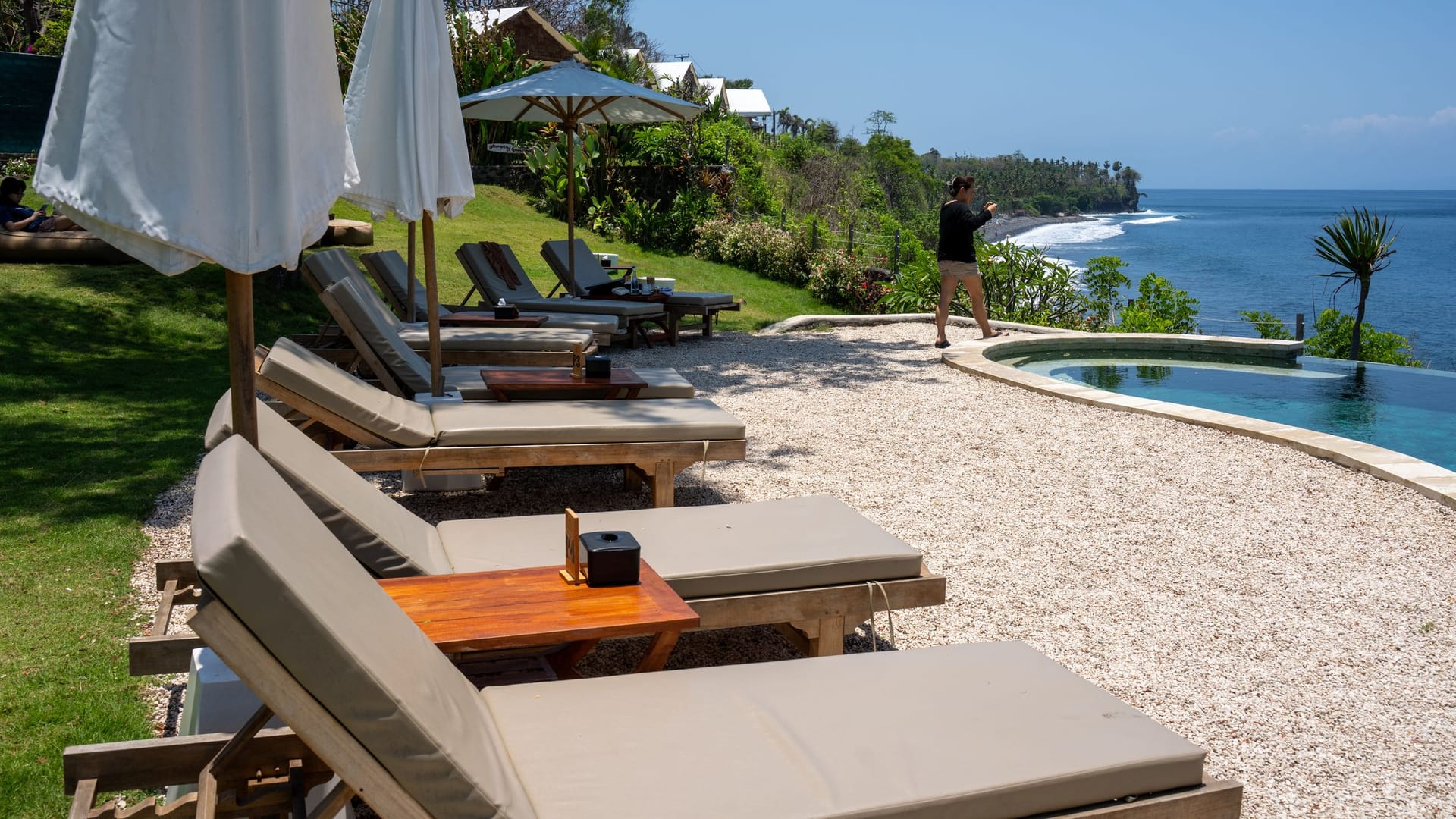
Ranikhet offers a range of stays from colonial-era hotels and cantonment guesthouses to cosy homestays. For a truly quiet experience look for properties that emphasise outdoor spaces—verandas, lawns or private balconies facing the mountains. Homestays are great for interacting with hosts, sampling home-cooked meals and learning local customs.
Food and Dining
Kumaoni cuisine is simple, nourishing and flavoursome. Try local dishes like kafuli (a spinach and fenugreek-based curry), bhatt ki churkani (black gram preparation) and traditional lentil-steamed breads. Many cafes serve continental options alongside local fare; ask hosts for recommendations to discover hidden gems where food is freshly prepared and served with warmth.
Health, Safety and Responsible Travel
- Stay hydrated and pace yourself—altitude is modest but cooler temperatures can mask exertion.
- Follow cantonment rules and signage; avoid restricted areas and respect local customs.
- Carry basic first-aid, any prescription medicines and travel insurance details.
- Support the local economy by buying from artisans and eating at family-run places; avoid single-use plastics where possible.
Tip: Mornings and evenings are when Ranikhet feels most tranquil—plan to be outdoors at these times for the best sunrise, sunset and wildlife glimpses.
Optional Extensions and Day Trips
If you have more time, consider short extensions: a scenic drive to Almora for its bazaars and viewpoints; a visit to Nainital for boating on the lake; or deeper treks into Kumaon for those seeking longer hikes. Each destination pairs well with Ranikhet and can be planned as a loop depending on your travel route.
Final Notes and Local Etiquette
Ranikhet’s charm lies in its quiet pace and respectful blend of military and civilian life. Dress modestly when visiting temples and interact politely with locals—simple greetings in Hindi or Kumaoni are appreciated. Keep noise levels low in the cantonment and ask for permission before photographing people.
With this 3-day plan, you’ll leave Ranikhet feeling rested, with memories of pine-scented walks, mountain vistas and the gentle rhythms of a cantonment town. Whether you come to rest or to explore, Ranikhet rewards slow travel and mindful presence.
Conclusion
A three-day stay in Ranikhet is perfect for travellers seeking calm and connection with nature. Follow this itinerary to enjoy the town’s best viewpoints, local culture and peaceful walks—return home refreshed and inspired by Kumaon’s understated beauty.