Getting Around Uttarakhand: Cabs, Buses and Hill Driving Explained
Practical guide to getting around Uttarakhand by cabs, buses and self-drive. Learn route options, hill-driving tips, permit and safety advice to travel the Garhwal and Kumaon regions confidently.
By TravMe travel team · · 6 min read
Uttarakhand’s dramatic landscapes—misty valleys, winding mountain roads and hilltop towns—are part of the magic, but they also demand careful travel planning. Whether you’re taking a state bus, hiring a cab, sharing a taxi or planning a self-drive, understanding local transport options and hill-driving techniques will make your journey safer and far more enjoyable.
Overview of transport modes
Uttarakhand’s transport network is a mix of modern highways and narrow mountain roads. Your choice depends on budget, comfort, time and the places you want to reach.
Air and rail gateways
Dehradun’s Jolly Grant Airport serves many domestic flights and is the nearest airport for destinations such as Mussoorie, Rishikesh and Haridwar. For the Kumaon region, Pantnagar airport is an option though connectivity may vary.
Railheads include Haridwar and Rishikesh for Garhwal access, and Kathgodam for Kumaon. Trains are an economical and scenic option when combined with a short onward road transfer to hill stations.
Buses: state, private and shared
State-run buses (Uttarakhand Transport and Himachal/UP intercity services) connect major towns and pilgrimage routes. In towns and for trunk routes you’ll also find private deluxe and Volvo coaches—comfortable for longer journeys between plains and foothills.
Shared minibuses and tempo travellers operate on shorter hill routes. They are inexpensive and readily available at bus stands; however, they can be crowded and less predictable in frequency.
Cabs and taxis
Cabs in Uttarakhand come in several forms: metered city taxis, prepaid airport counters, local unmetered taxis (often negotiated fares), and app-based cabs in larger towns. For hill routes it is common to hire a car with a driver for a half-day or full-day and negotiate a return fare.
Self-drive and rentals
Self-drive cars and two-wheelers are available in cities like Dehradun, Haridwar, Rishikesh and Nainital. Rental options suit those comfortable with mountain driving and navigation. Note that not all rental agencies allow entry into high-altitude or restricted zones—always confirm the agreement and insurance coverage.
Common routes and travel patterns
Understanding typical travel routes helps when choosing transport. Two broad regions define Uttarakhand travel: Garhwal (west and central Himalaya) and Kumaon (east).
Garhwal highlights
- Dehradun – Mussoorie: Short, frequent taxi rides or shared jeeps; local buses also run but can be slow.
- Haridwar – Rishikesh: Short, regular buses and many shared/metro-style taxis; ideal for day trips and river activities.
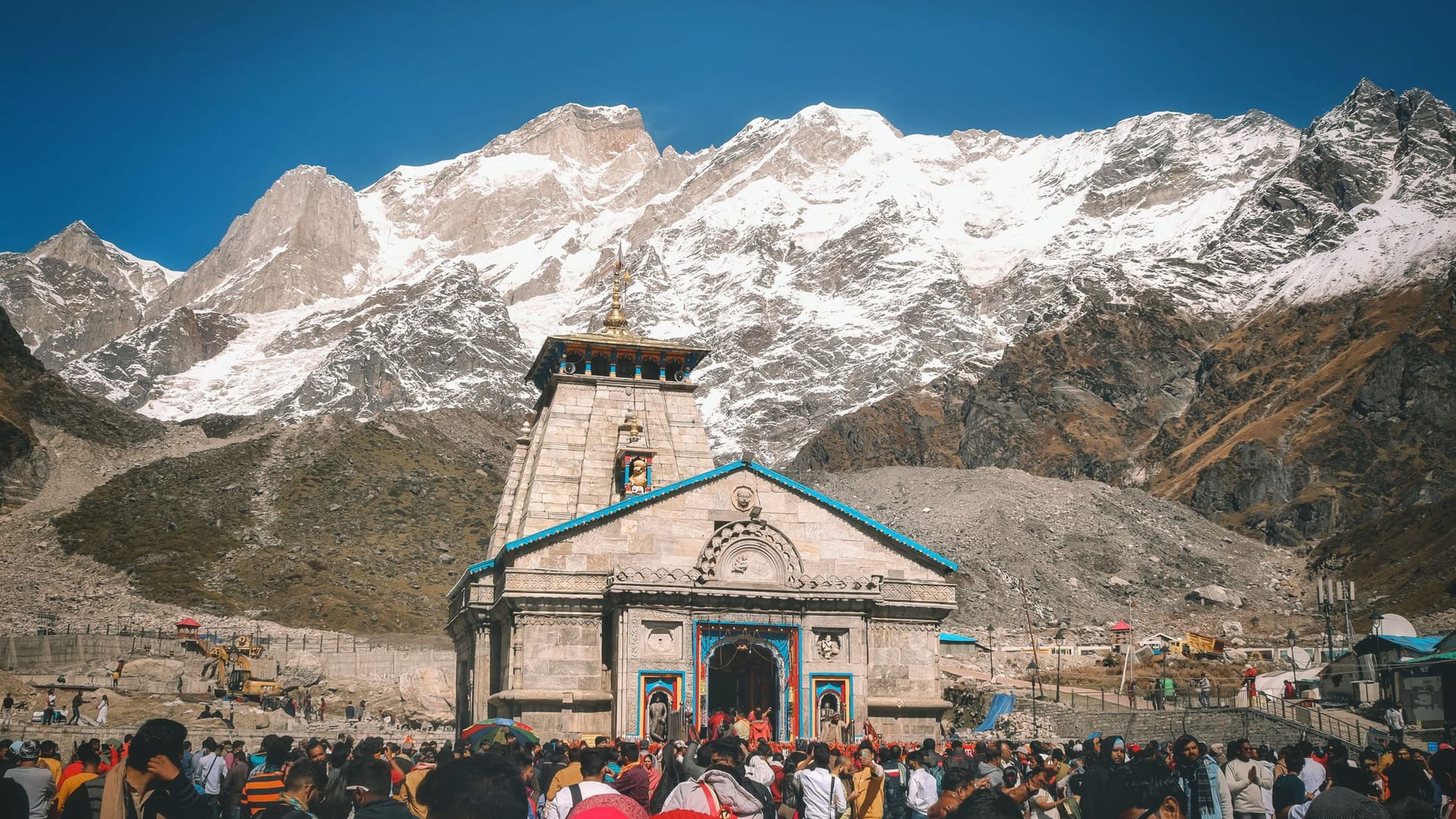
- Rishikesh – Kedarnath/Badrinath/Valley routes: Pilgrimage routes often require staged travel by shared taxis, private cabs or HRTC buses. Expect heavy seasonal traffic during yatra season.
Kumaon highlights
- Kathgodam – Nainital/Almora/Ranikhet: Regular shared taxis and private cabs connect the railhead to hill stations; public buses also operate but may be slower.
- Heavy monsoon or winter weather can affect accessibility to higher meadows and passes—always check road status before planning onward travel.
Booking tips and fare expectations
Booking in advance is sensible during peak seasons (summer holiday months, monsoon-safe windows and religious festivals). Here are practical tips:
- Prebook long-distance buses and Volvo coaches for comfort. Confirm drop-off points in hill towns—some large buses stop on the highway rather than in town centres.
- For cabs, use prepaid counters at airports or reliable local agencies and apps in cities. If hiring a local taxi for hill tours, agree fares and inclusions (fuel, tolls, parking) up front.
- Shared taxis are great value for short distances; carry exact change and confirm the destination before boarding.
- If self-driving, reserve your vehicle ahead in peak season and confirm road access with the rental company for mountain or remote routes.
Hill driving essentials
Driving in Uttarakhand is different from plains driving. Roads can be narrow, steep, and subject to rockfall, landslides and sudden weather changes. Below are techniques and checks that every driver—or passenger—should know.
Vehicle checks before you start
- Ensure brakes, clutch and steering are in top condition. Mountain driving stresses these systems more than usual.
- Check tyres (including spare), tyre pressure and tread depth. Lower tyre pressure slightly on rough gravel for better traction, but don’t underinflate dangerously.
- Carry a well-stocked first aid kit, basic tools, torch, warm clothing, water and a power bank. Keep fuel tank topped up—fuel stations are sparse on high-altitude stretches.
On the road: techniques and etiquette
- Use low gears going uphill and downhill. Engine braking reduces brake wear and prevents overheating.
- Descend slowly and brake intermittently rather than constantly to avoid fade. If your vehicle has an engine brake or manual gears, make use of them.
- Approach hairpin bends with caution—honking once before the turn is common to alert oncoming vehicles, but watch for local signage and markings.
- Give way to uphill traffic where roads are single-lane; uphill vehicles often have limited manoeuvrability.
- Overtaking must be done only on clear, long stretches with good visibility. Do not overtake on blind curves or narrow bridges.
Weather and seasonal cautions
Monsoon increases the risk of slips and landslides—avoid travel during heavy downpours and check for advisories. Winter brings ice and snow; mountain chains and higher passes may need chains or 4WD. Always check local road status before embarking on high-altitude treks or passes.
Permits, restrictions and environmental concerns
Certain protected areas, wildlife reserves and high-altitude routes may require permits or have vehicle restrictions. Popular trekking bases and biosphere zones sometimes limit private vehicle access to reduce environmental pressure.
Before travelling to remote or protected areas, check with local authorities, forest departments or your tour operator for necessary permits. Respect local rules about parking, waste disposal and noise—tourism has a direct impact on fragile mountain ecosystems.
Safety, communication and emergencies
Mobile network coverage is patchy in the hills. Download offline maps and share your route with someone before you leave. For emergencies, note the nearest town, police station or roadside assistance points.
Keep scanned copies of your ID, driving licence and vehicle papers on your phone and in printed form. If hiring a driver, confirm their familiarity with the route, licence and the vehicle’s condition.
When to avoid night driving
Avoid night driving whenever possible—wildlife, poorly lit roads, drivers of heavy vehicles and the higher chance of landslides make after-dark travel risky. If you must travel at night, take frequent breaks, drive slowly and avoid fatigue.
Practical packing and traveller checklist
- Valid ID, driving licence and vehicle papers (rental permit/authorisation if applicable).
- Warm layers, rainwear and sturdy footwear.
- Basic toolkit, jumper cables and a torch with spare batteries.
- First aid kit, any personal medicines and a copy of emergency contacts.
- Offline maps and navigation directions; portable phone charger/power bank.
- Cash for small vendors, tolls and remote fuel stations where cards may not work reliably.
Local tips and etiquette
Be polite when negotiating with local taxi drivers—many drivers depend on seasonal tourist business and can offer flexible pick-up arrangements. Confirm pickup times and return plans in writing (message or receipt) wherever possible. In pilgrimage towns, follow local norms around parking and designated drop zones to avoid fines or conflicts.
Tip: If you’re unsure about an unfamiliar stretch, ask local residents or drivers—locals often know the road conditions for the day better than any online update.
Conclusion
Getting around Uttarakhand can be an immensely rewarding experience if you plan with the terrain in mind. Choose the transport mode that fits your comfort level, time and budget; respect local rules and the fragile mountain environment; and prioritise safety—especially when driving on winding passes. With a well-maintained vehicle, sensible driving techniques and a flexible itinerary, the region’s valleys, temples and lakes are yours to explore with confidence.