Kumaon vs Garhwal: Which Region of Uttarakhand Should You Visit?
A practical guide to choosing between Kumaon and Garhwal in Uttarakhand, comparing landscapes, culture, activities and logistics to help you plan the perfect mountain trip.
By TravMe Holidays travel team · · 7 min read
Uttarakhand's two cultural-geographical faces — Kumaon and Garhwal — offer distinct experiences for travellers. From the tranquillity of alpine meadows and colonial hill stations to the spiritual pull of ancient temples and high Himalayan passes, choosing between Kumaon and Garhwal depends on what you want to feel, see and do. This guide breaks down everything you need to know to pick the right region for your next trip to the Indian Himalaya.
Overview: What Makes Kumaon and Garhwal Different?
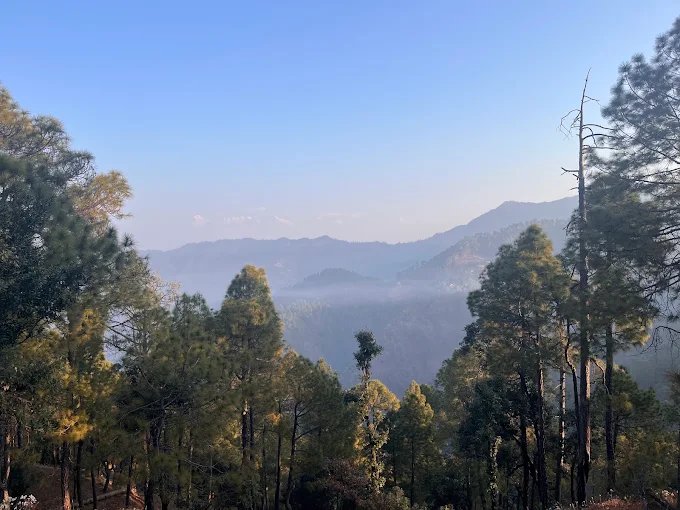
Kumaon occupies the eastern half of Uttarakhand and is known for its gentler valleys, dense oak and rhododendron forests, expansive views of the Kumaon Himalaya and colonial-era hill stations such as Nainital and Almora. Garhwal, covering the west, includes iconic high-altitude landscapes — the holy towns of Haridwar and Rishikesh sit in its lower reaches, while Uttarakhand's highest peaks, remote glaciers and major trekking routes lie in Garhwal’s upper districts like Chamoli and Uttarkashi.
In short: Kumaon often feels like a mellow, scenic retreat with cultural charm; Garhwal tends to be raw, vertical and spiritually charged, with many serious trekking and pilgrimage opportunities.
Landscape and Natural Highlights
Kumaon: Lakes, Meadows and Panoramic Peaks
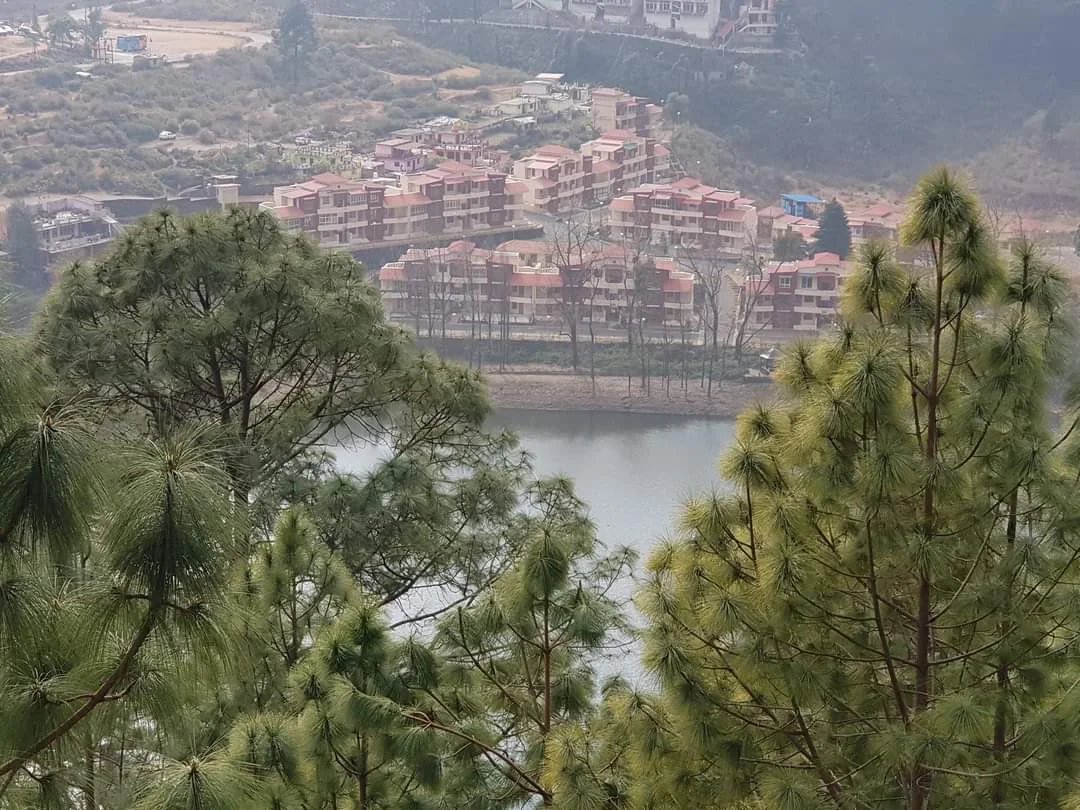
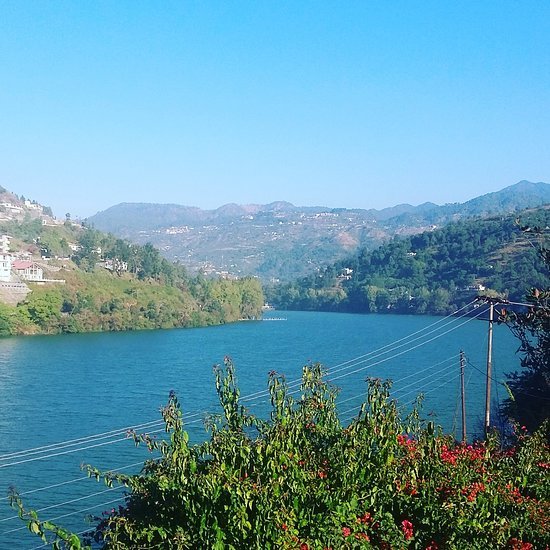
Kumaon is best known for serene lakes, wide mountain vistas and accessible viewpoints. The Nainital basin, Binsar’s wildlife sanctuary and the meadows of Khairna and Kausani offer postcard panoramas of peaks such as Nanda Devi and Trishul. The region’s slopes are dotted with apple orchards, terraced fields and rhododendron forests. Kumaon’s topography is comparatively gradual, making it comfortable for families and travellers seeking scenic drives and easy walks.
Garhwal: Glaciers, Rivers and High Himalayan Terrain
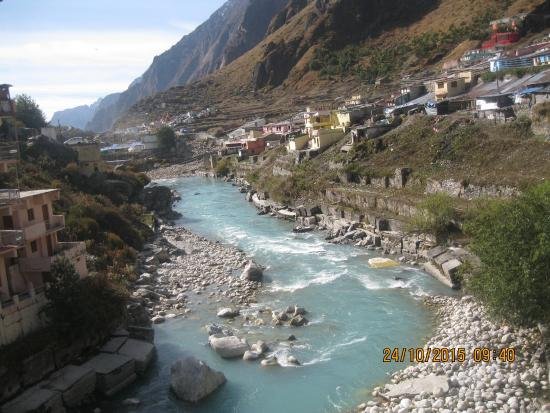
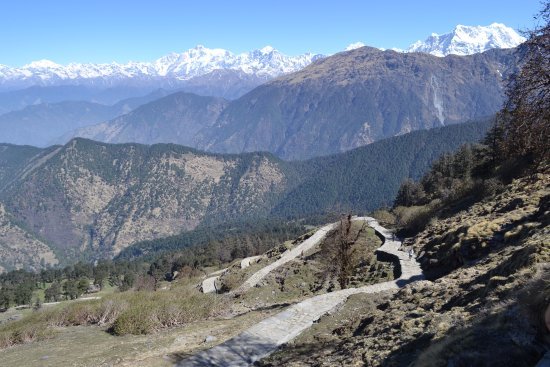
Garhwal contains some of the most dramatic Himalayan scenery in India: glaciers, steep-sided valleys, high-altitude meadows and major river gorges. The headwaters of the Ganga — Gangotri and Gaumukh — lie here, as do famous trekking zones like the Valley of Flowers, Roopkund and high passes around Kedarnath and Badrinath. Elevation changes are sharp and weather can be more volatile, so Garhwal is a magnet for serious trekkers and pilgrims.
Culture, History and Spirituality
Both regions are rich in culture, but their flavours differ.
Kumaon Culture
- Traditional Kumaoni music, dance (such as Jeetu and Chanchari) and folk festivals are integral to local life.
- Architectural traces of the Chand dynasty and British-era bungalows give Kumaon towns a relaxed, colonial hill-station charm.
- Local cuisine leans on simple, earthy flavours: bhatt ki dal, aloo ke gutke and sweets like bal mithai are regional staples.
Garhwal Culture
- Garhwali culture has strong religious traditions; festivals and rituals tied to the Ganga and mountain deities are common.
- Temples, ashrams and pilgrimage routes define much of the public life, especially in towns like Rishikesh, Haridwar, Kedarnath and Badrinath.
- Garhwali cuisine shares similarities with Kumaon but often includes hearty dishes suited for colder, higher altitudes, such as madua roti and gahat dal.
Top Activities and Attractions by Interest
For Nature Lovers and Photographers
- Kumaon: Nainital lake vistas, Binsar’s viewpoint at Zero Point, Kausani’s sunset views and the ancient pines around Mukteshwar.
- Garhwal: Valley of Flowers for alpine blooms, Hemkund Sahib’s high-altitude lake, and the dramatic gorges around Rudraprayag.
For Trekkers and Adventure Seekers
- Kumaon: Short to moderate treks like Pindari Glacier basewalks and trek circuits around Mukteshwar and Almora.
- Garhwal: Challenging treks including Kuari Pass, Roopkund, Kedarnath and high-altitude expeditions around Gangotri and Nanda Devi (permits apply).
For Pilgrims and Spiritual Seekers
- Kumaon: Temples like Katarmal Sun Temple and the quiet ashrams around Almora offer contemplative alternatives to crowded pilgrimage hubs.
- Garhwal: Haridwar and Rishikesh for Ganga aarti and yoga; Kedarnath and Badrinath for major Char Dham pilgrimages.
For Families and Leisure Travellers
Kumaon’s gentler terrain and established hill stations make it ideal for families, seniors and leisure travellers seeking comfort and accessibility. Nainital, Bhimtal and Almora provide easy walks, boat rides and family-friendly hotels. Garhwal can also be family-friendly in lower areas like Rishikesh and Haridwar, but higher altitude destinations require more acclimatisation and care.
Accessibility and Travel Logistics
How you get there and move around can influence your choice.
- Air: Pantnagar Airport serves Kumaon, close to Nainital and Almora. Dehradun’s Jolly Grant Airport is the main gateway for Garhwal, convenient for Rishikesh and Mussoorie.
- Rail: Kathgodam is the railhead for Kumaon. Haridwar and Rishikesh are major railheads for Garhwal, offering better long-distance connectivity.
- Road: State highways and mountain roads connect both regions. Garhwal’s roads toward high-altitude sites may be steep and narrow; monsoon and winter travel require caution.
For first-time travellers or those with limited time, combining both regions in one trip is possible but will need careful planning to avoid excessive transit on winding mountain roads.
Best Time to Visit
- Summer (April to June): Pleasant weather across Kumaon and Garhwal; ideal for sightseeing, treks below 4,000 m and family trips.
- Monsoon (July to September): Lush landscapes in Kumaon, but higher risk of landslides and roadblocks in both regions. Valley of Flowers opens post-monsoon.
- Autumn (September to November): Clear skies and excellent visibility; a top season for trekking and mountain views.
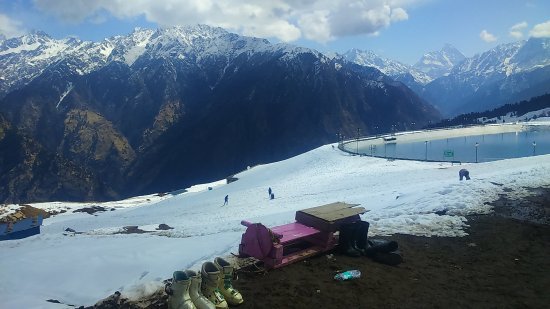
- Winter (December to February): Snowfall at higher elevations — attractive if you want snow in places like Auli or Chopta in Garhwal; some passes and treks close for the season.
Where to Stay: Style and Comfort
Accommodation ranges from heritage hotels and cosy homestays in Kumaon to riverfront camps and yoga retreats in Garhwal. For wildlife enthusiasts, Kumaon’s Binsar and Corbett National Park lodges offer comfortable base camps. In Garhwal, riverside guesthouses in Rishikesh and mountain camps near Trek start points are common. Book well in advance during peak season and major festivals.
How to Choose: Questions to Ask Yourself
- Do you prefer relaxed hill-station charm and easy walks, or dramatic high-altitude landscapes and serious treks?
- Are spiritual experiences and pilgrimages important to your trip?
- Are you travelling with children or elderly family members who need gentler terrain?
- How much time do you have? Limited time suggests focussing on one region to avoid long mountain transfers.
- Do you want wildlife, photography or culinary experiences? Kumaon tends to score higher for accessible wildlife and food trails; Garhwal for remote wilderness and river-based activities.
Quick rule of thumb: choose Kumaon for laid-back scenery, colonial charm and family-friendly itineraries; choose Garhwal for pilgrimage, river adventures and rugged Himalayan trekking.
Sample Itineraries
5-Day Kumaon Highlights
- Day 1: Arrive at Kathgodam, transfer to Nainital — lake boating and Mall road evening.
- Day 2: Nainital sightseeing and cable car to Snow View; evening transfer to Almora.
- Day 3: Almora local walk and drive to Binsar for sunset views.
- Day 4: Day trip to Kausani for panoramic sunrise and tea gardens.
- Day 5: Return to Kathgodam and depart.
7-Day Garhwal Adventure and Pilgrimage
- Day 1: Arrive Dehradun, explore Mussoorie or Rishikesh for yoga and Ganga aarti.
- Day 2: Travel to Uttarkashi — acclimatisation and river views.
- Day 3–4: Gangotri and Gaumukh day trek or join a longer trek from here.
- Day 5: Return via scenic mountain roads; visit local temples and villages.
- Day 6–7: Optional extension to Kedarnath/Badrinath as pilgrimage or to Chopta for short treks and views of Nanda Devi.
Practical Tips and Safety
- Packing: Layered clothing, sturdy walking shoes, first-aid basics and a reusable water bottle are essential. High-altitude treks need thermal wear and sun protection.
- Health: Acclimatise gradually when ascending; watch for symptoms of altitude sickness on higher treks in Garhwal.
- Permits: Certain protected areas and high-altitude zones require permits — check local regulations and seasonal closures.
- Respect local customs: Dress modestly at pilgrimage sites and obtain permission before photographing people in remote villages.
Conclusion
Kumaon and Garhwal are complementary sides of Uttarakhand’s rich mountain tapestry. If you seek relaxing lake-side vistas, cultural warmth and easy accessibility, Kumaon is likely the better fit. If you are drawn to spiritual pilgrimages, river adventures and high Himalayan trekking, Garhwal will fulfil that yearning. For many travellers, a combined visit — planned with realistic travel times — gives the most complete experience of Uttarakhand. Consider your travel pace, fitness level and interests, and you will find a region that speaks directly to your sense of wonder.