Coorg to Wayanad by Road: A Scenic Cross-Border Drive
A practical, scenic guide for driving from Coorg (Kodagu) to Wayanad by road, covering routes, travel time, must-see stops, road conditions, border tips and suggested itineraries for a memorable cross-border drive.
By TravMe Holidays travel team · · Updated · 6 min read
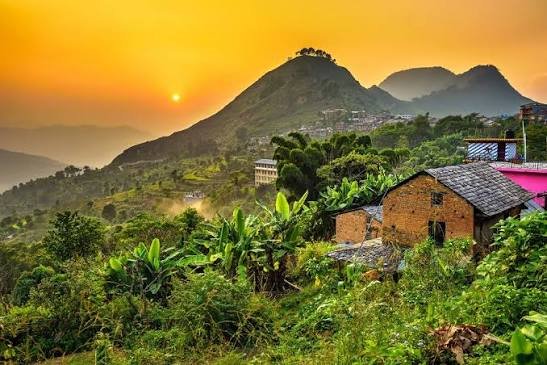
Driving from Coorg to Wayanad is one of South India’s most rewarding short road journeys: lush hills, winding ghats, tea and coffee estates and peaceful villages unfold as you cross from Karnataka into Kerala. This guide helps you plan the route, choose stops, prepare for weather and road conditions, and make the most of the landscapes and experiences along the way.
Overview: Why drive Coorg to Wayanad?
Coorg (Kodagu) and Wayanad are neighbouring hill districts with similar hill-station charm but distinct flavours. Coorg is famed for its coffee plantations, Kodava culture and waterfalls, while Wayanad offers spice gardens, ancient caves and expansive views of the Western Ghats. Driving between them allows you to experience changing scenery, local food and offbeat attractions at your own pace.
Distance, duration and typical routes
The direct driving distance between central Coorg and central Wayanad varies by start and end points but typically ranges from 100 to 140 kilometres. Depending on the route you take and the number of stops, travel time is usually 3 to 5 hours.
Main routes
- Coorg (Madikeri) → Gonikoppal → Mananthavady (Wayanad) — A popular, well-maintained route through Gonikoppal that connects to the Mananthavady–Gonikoppal road. Offers coffee estate views and several local eateries.
- Coorg → Kutta → Nagarhole → Sultan Bathery (Wayanad) — A good option if you plan a wildlife or Nagarhole stop; the roads here can be narrower and involve more forest stretches.
- Coorg → Heggadadevana Kote → Bavali → Tholpetty/Sultan Bathery — A scenic choice with ghat sections and quieter rural roads; suitable for travellers who enjoy slow, exploratory drives.
Road conditions and driving tips
Road quality varies: national and state highways are generally in good condition, while smaller connecting roads and some forest stretches can be narrow, potholed or steep. Expect winding ghat sections and occasional landslide-prone stretches during the monsoon.
Practical driving advice
- Drive with daylight as the priority; many stretches are best tackled in the morning to avoid fog and poor visibility.
- Keep speeds moderate on ghat curves and single-lane sections; watch for slow-moving vehicles, buses and two-wheelers.
- Check for road closures during heavy monsoon spells; some forest roads and ghats may be temporarily shut.
- Refuel before leaving major towns—fuel stations are less frequent in remote stretches.
- Carry a basic first-aid kit, a torch, and a physical map or offline navigation because mobile signal can drop in valleys and forests.
Border formalities and useful documents
Travel between Karnataka and Kerala is straightforward for Indian citizens; there are no routine checkpoints that require permits for private vehicles. However, you might encounter occasional police or forest department checks, especially near protected areas. Carry:
- Driver’s licence, vehicle registration (RC), insurance papers and pollution certificate.
- Photo ID (Aadhaar, passport or voter ID).
- Printed hotel reservations or contact numbers—useful if questioned at checkpoints.
If travelling in a rental vehicle
Ensure your rental agreement allows inter-state travel. Inform the rental company of your itinerary and carry the owner’s NOC (No Objection Certificate) if available. Some companies provide one as standard—confirm beforehand.
Best time to drive
Each season has its appeal:
- Winter (November to February): Cool, pleasant weather ideal for sightseeing and outdoor activities.
- Post-monsoon/Autumn (September to October): Landscapes are lush and waterfalls brim; roads clear after the monsoon.
- Monsoon (June to August): Extremely scenic with mist and showers but risky due to landslides, slippery ghats and occasional roadblocks. Drive cautiously if you must travel.
- Summer (March to May): Warm days but still comfortable in the hills; afternoons can be warm so start early for sightseeing.
Must-see stops and detours en route
Turn your drive into a mini-road trip with these worthwhile stops:
- Gonikoppal: A good place for a coffee stop and local snacks; small shops sell fresh produce and homemade chocolates.
- Tholpetty Wildlife Sanctuary: If you take the route via Mananthavady and Tholpetty, consider an early-morning safari to glimpse elephants, deer and birds (book safaris in advance).
- Shrine and temples: There are several local temples and churches in the countryside worth a respectful visit if timings permit.
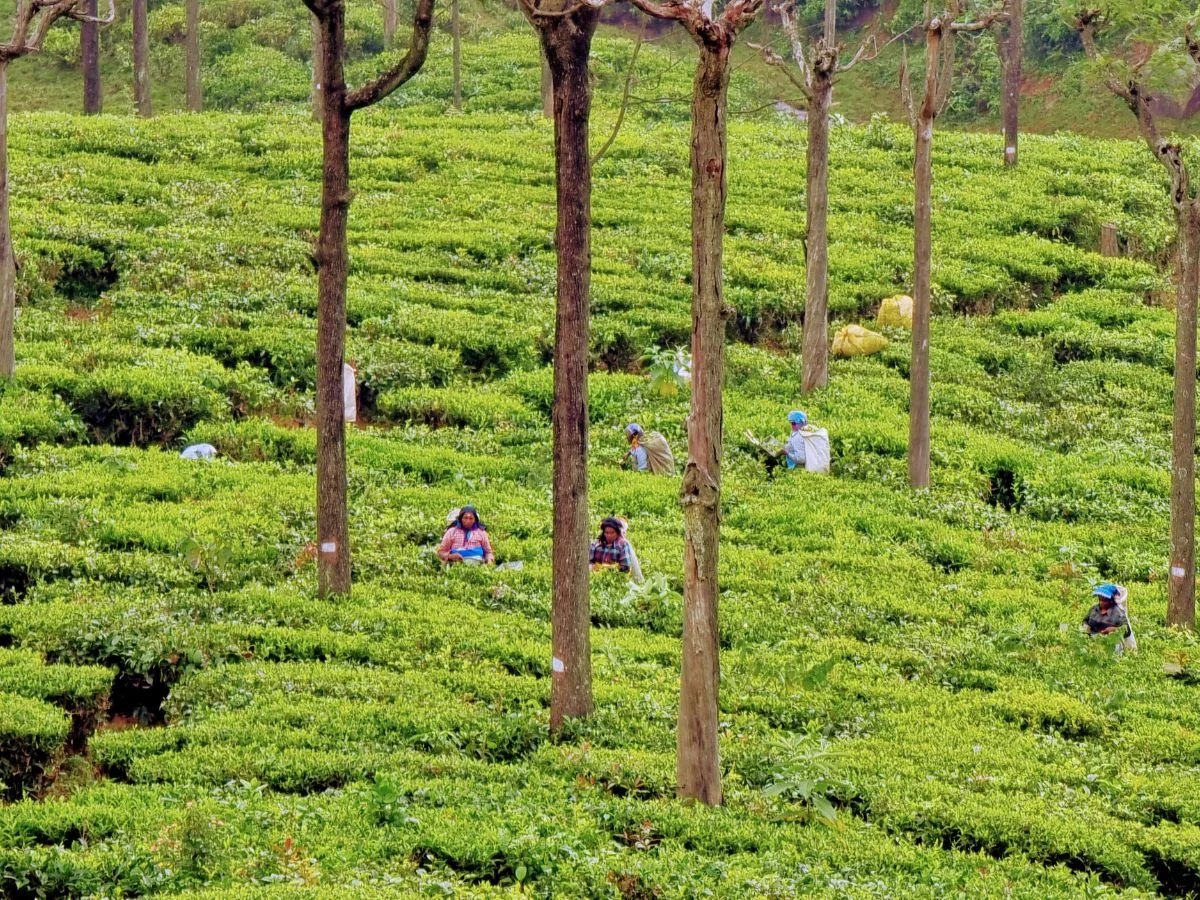
- Tea and coffee estates: Many estates allow short walks or guided tours—great for photography and to taste freshly roasted beans.
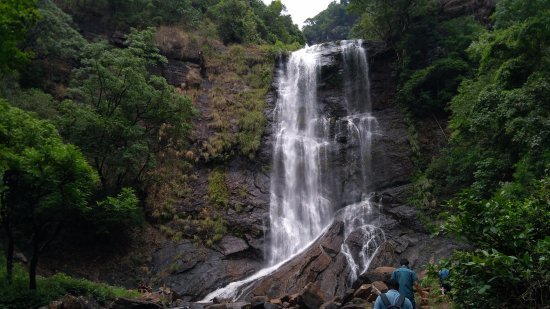
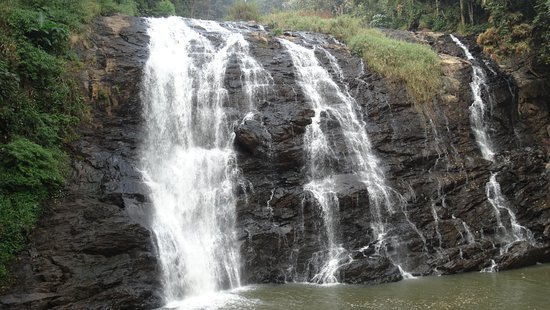
- Waterfalls and viewpoints: Keep an eye out for small roadside viewpoints and seasonal falls that offer quick photo breaks.
Where to stay: Coorg and Wayanad suggestions
Both regions offer accommodation to match different travel styles. In Coorg, homestays and plantation bungalows give immersive experiences; Wayanad has cosy hillside resorts, eco-cottages and homestays near spice gardens. For a cross-border drive, consider splitting your stay: 2 nights in Coorg followed by 2–3 nights in Wayanad to explore both districts without rush.
Food and local flavours
Both regions serve hearty South Indian fare with local twists. In Coorg, sample pandi curry (pork curry), kadambuttu (rice dumplings) and freshly brewed Coorg coffee. Wayanad offers Kerala-style meals: appam, fish or vegetable stews, and local snacks made from rice and tapioca. Roadside eateries serve uncomplicated, satisfying meals—try local tea/coffee and snacks during short stops.
Nature, activities and experiences in Wayanad
Once in Wayanad you’ll find a variety of experiences:
- Explore ancient caves and temples that hint at the region’s historic past.
- Walk through spice gardens and tea plantations to learn about cardamom, pepper and tea cultivation.
- Hike to viewpoints and shorter trails—many trails are family-friendly while others offer moderate trekking through forests.
- If you enjoy wildlife, arrange safaris in Wayanad Wildlife Sanctuary or nearby reserves; keep expectations realistic and follow guidelines.
Safety, responsible travel and local etiquette
Respect local customs and nature. Avoid littering, stick to marked trails in sanctuaries and refrain from feeding wildlife. During monsoon, be cautious of landslide-prone areas and slippery roads. Inform someone of your planned route if you’re venturing into remote stretches, and always follow instructions from forest guards and local authorities.
Tip: Fill up fuel and carry essential snacks and water before you enter remote stretches—mobile network and services can be sparse in some border areas.
Suggested short itineraries
Here are two compact plans to suit different travel styles:
- Leisurely drive (2 days): Day 1: Explore Coorg—coffee estate and waterfalls. Day 2: Drive to Wayanad via Gonikoppal with stops; arrive by afternoon for a relaxed evening.
- Active nature trip (3–4 days): Day 1: Coorg sightseeing and early night. Day 2: Morning drive to Wayanad with a wildlife safari stop; Day 3: Trekking and plantation visits in Wayanad; Day 4: Cultural sightseeing or return journey.
Final tips before you go
- Check weather forecasts and local advisories for ghat roads and forested stretches.
- Confirm accommodation and safari bookings in advance, especially during peak season and holidays.
- Carry reusable water bottles and avoid single-use plastics to help protect these fragile ecosystems.
Driving from Coorg to Wayanad is a relaxed, sensory-rich experience—perfect for travellers who enjoy slow travel, nature and local cuisine. With a bit of planning and flexibility, the cross-border road trip can become a highlight of your South India itinerary.
Conclusion: The Coorg–Wayanad drive combines dramatic landscapes, plantation culture and tranquil hill-town life. Choose your route based on interests—wildlife, viewpoints or estate visits—drive carefully through the ghats, savour local food and take time to pause: the journey is as delightful as the destination.