Coimbatore to Ooty by Road: Mettupalayam and the Hairpin Bends
A practical, scenic guide to driving from Coimbatore to Ooty via Mettupalayam, covering the Nilgiri ghat road, iconic hairpin bends, pitstops, safety tips and best times to travel for a memorable hill drive.
By TravMe Holidays travel team · · Updated · 6 min read
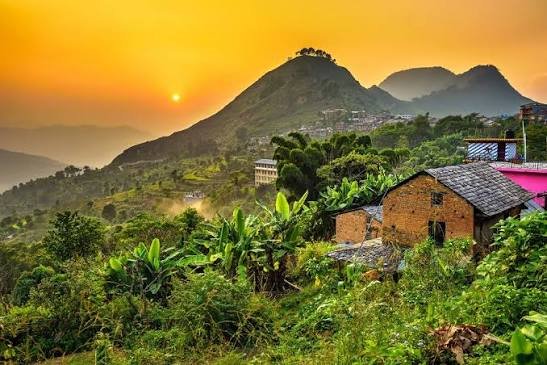
Driving from Coimbatore to Ooty is one of South India's most rewarding road trips — a quick escape from the plains into misty tea gardens, crisp mountain air and winding ghat roads. The journey via Mettupalayam introduces travellers to the famous Nilgiri ghat road and its corkscrew of hairpin bends, charming small towns and viewpoints that make the climb as memorable as the destination.
The route at a glance
The most common approach from Coimbatore is to drive north to Mettupalayam and then ascend the Nilgiri Ghat Road to Ooty (Udhagamandalam). The plains-to-plateau changeover is abrupt and dramatic: rice fields and textile mills give way to blue-hued forests, tea estates and mist-swathed valleys. The road from Mettupalayam up to Ooty is famous for its steep gradients and a series of hairpin bends — traditionally counted as around 36 — that negotiate the rise to the Nilgiri plateau.
Why go via Mettupalayam?
Mettupalayam is the gateway to the Nilgiris and a practical staging point. Historically a railway terminus for the famous Nilgiri Mountain Railway, it is where the flatland transport network meets the hill routes. The town itself is compact and functional, with markets and fuel stations — useful for last-minute checks before the climb. Most travellers stop here briefly to stretch, refuel and pick up refreshments.
Advantages of this route
- Gradual and well-maintained ascent suitable for cars and two-wheelers.
- Plenty of viewpoints and pull-outs for photographs and tea breaks.
- Good connectivity to Coimbatore — ideal for day-trippers and weekenders.
The hairpin bends — what to expect
The series of hairpin bends on the Nilgiri Ghat Road are an exercise in engineering and nerve. Each bend coils around the mountainside, switching back on itself to gain height quickly while offering dramatic views down the valley. Drivers should expect narrow stretches, occasional heavy vehicle traffic and variable visibility in foggy or rainy weather.
Driving tips for the ghat section
- Maintain a steady low gear: Use engine braking on the descent and a low gear while climbing to avoid overheating the brakes.
- Keep to your side: On blind curves, stay on your lane and slow down — many turns have limited visibility.
- Be patient with slow vehicles: Trucks and buses use the same road; allow them space and only overtake where it’s clearly safe.
- Watch the weather: Rain and fog can make the road slippery and reduce visibility. If conditions worsen, stop at a safe pull-out or in Mettupalayam rather than risk the climb.
- Use horns sparingly: Short beeps at blind corners are customary to alert oncoming traffic, but avoid prolonged use.
- Check brakes and coolant: Before departure from Coimbatore or Mettupalayam, ensure brakes are responsive and coolant levels are adequate.
Recommended stops en route
The climb offers several worthwhile stops where you can stretch your legs, take photographs and soak in the scenery.
- Mettupalayam: A quick stop here is practical for last-minute refuelling, snacks and a look at the local market. If you have time, catch a glimpse of the heritage Nilgiri Mountain Railway station.
- Coonoor (optional detour): Many travellers combine Ooty and Coonoor. Coonoor offers Sim’s Park, tea estates and viewpoints like Lamb's Rock and Dolphin's Nose.
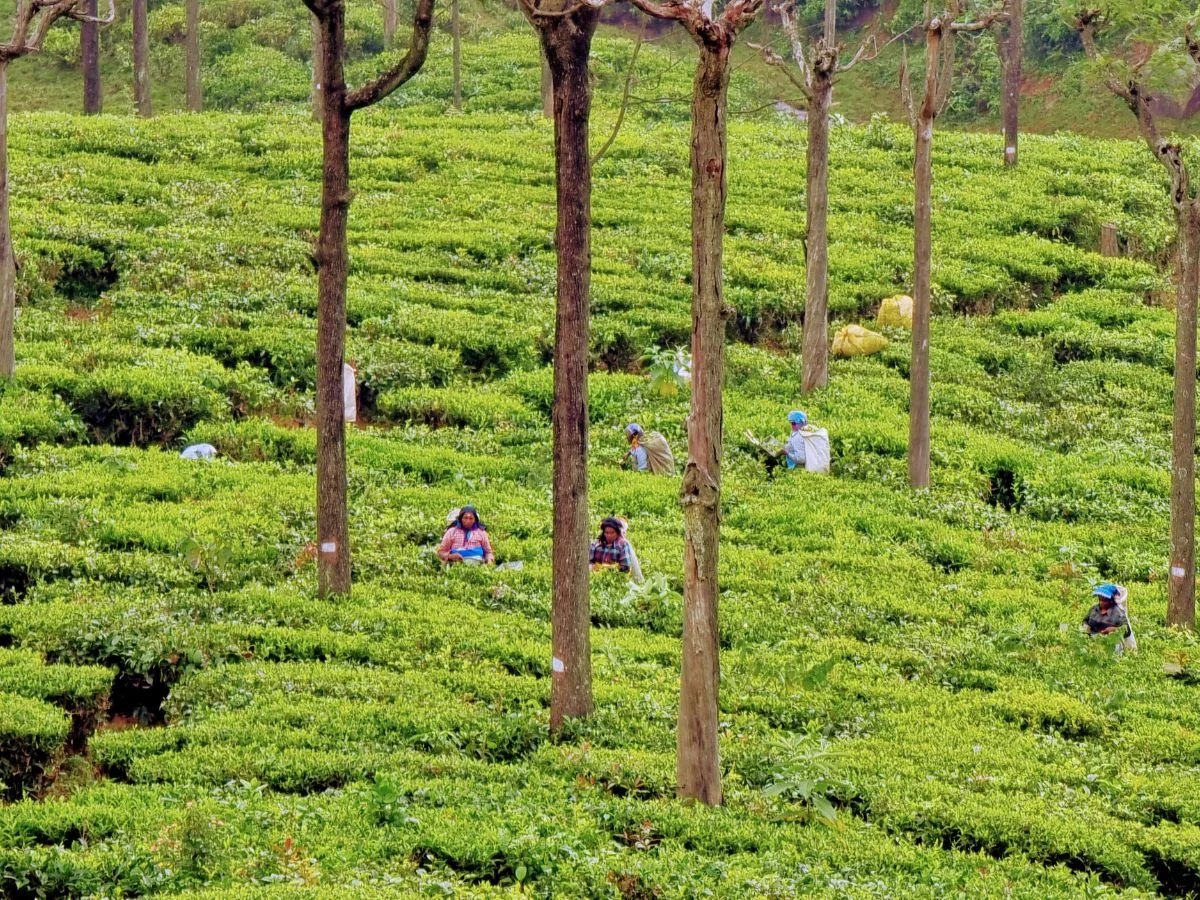
- Tea estate viewpoints: There are multiple pull-outs with sweeping views of planted tea slopes. These are perfect for photographs, especially in the early morning when mist weaves through the valleys.
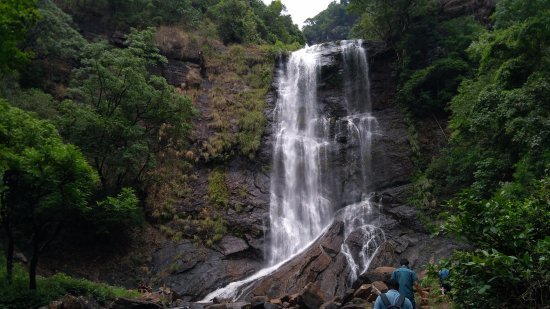
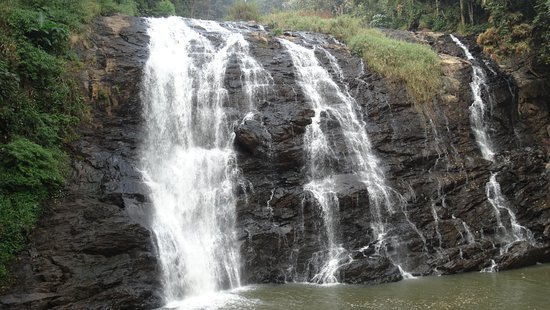
- Catherine Falls and Pykara (near Ooty): If you have time, the waterfalls and nearby lake provide a refreshing nature stop before you reach Ooty town.
Vehicle choice and preparation
This route suits most vehicles: compact cars, sedans and SUVs manage the ghat road well. Two-wheelers are also common among enthusiasts but require experience in ghat riding. For larger groups, tempo travellers and minivans are viable but remember that tight turns demand experienced drivers.
Checklist before you start
- Vehicle servicing: brakes, tyres (including spare), coolant and battery.
- Carry basic tools, a torch and a first-aid kit.
- Mobile phone with charger; note that signal can be patchy on stretches of the ghat road.
- Warm clothing and an umbrella, as temperatures drop and weather can change quickly.
- Snacks and water — while there are shops en route, options can be limited at odd hours.
Best time to travel
The Nilgiris are enjoyable year-round but each season offers a distinct flavour.
- October to March: Cooler days, clear skies and ideal trekking weather. Early mornings are chilly; carry warm layers.
- April to June: Pleasant and slightly warmer, with lush green landscapes. This period is popular for escapes from the heat of the plains.
- Monsoon (July to September): The hills get heavy rainfall, making the landscape dramatic and verdant. Travel can be trickier due to slippery roads and occasional landslips; check local updates before planning.
Local culture and cuisine
As you climb, the cultural tone shifts subtly. The Nilgiris are home to hill communities including the Todas, Kurumbas and Badagas, each with their own traditions. Small eateries and homestays serve local flavours — piping-hot filter coffee, spiced snacks like bajji, and hearty South Indian meals. Sampling a cup of Nilgiri tea at a roadside stall is a must.
Where to stay in Ooty
Ooty has accommodation for every traveller: heritage bungalows, mid-range hotels and budget guesthouses. If you prefer tranquillity, choose a stay slightly away from the bustling town centre — many properties offer views over valleys and private gardens. Booking ahead is wise during peak season and on long weekends.
Safety and responsible travel
While the road is scenic, safety should be the priority. Avoid night driving on the ghat road unless necessary; visibility and roadside assistance are limited after dark. Respect local signage, avoid littering, and keep noise levels down in residential or protected areas. If you are trekking or visiting protected zones, follow park rules and seek local guidance.
Pro tip: Start early from Coimbatore to enjoy clear views and lighter traffic on the ghat section. Mid-morning light is excellent for photos across the valleys.
Sample day itinerary (Coimbatore to Ooty)
- Depart Coimbatore early morning; stop at Mettupalayam for a quick breakfast and vehicle check.
- Begin the climb, enjoy multiple viewpoint stops and short walks among tea plantations.
- Optional detour to Coonoor for Sim’s Park and viewpoints, or continue directly to Ooty.
- Reach Ooty by late morning/early afternoon; check in and relax in the cool climate.
- Explore Ooty Lake, Botanical Gardens and nearby viewpoints in the afternoon.
Final tips and common pitfalls
- Plan fuel stops: fill up in Coimbatore or Mettupalayam before the climb.
- Avoid aggressive overtaking on the ghat road; the terrain is unforgiving.
- Carry change or UPI for small purchases — not all stalls accept cards.
- Allow extra time for unexpected stops; the drive is as much about the journey as the destination.
Driving from Coimbatore to Ooty via Mettupalayam is an invitation to slow travel: an opportunity to watch the plains give way to cloud-kissed hills, to sip local tea at a roadside stall and to navigate a sequence of world-famous hairpin bends with patience and care. With sensible planning and an appreciation for the landscape, the road trip becomes one of the Nilgiris' most enduring travel memories.
Happy and safe driving — and don’t forget your camera for those unforgettable valley views.