Chardham Yatra Weather Explained Season by Season
A season-by-season guide to Chardham Yatra weather, covering what to expect at high-altitude shrines, travel risks, packing essentials and best travel windows to help you plan a safe and comfortable pilgrimage.
By TravMe travel team · · Updated · 6 min read
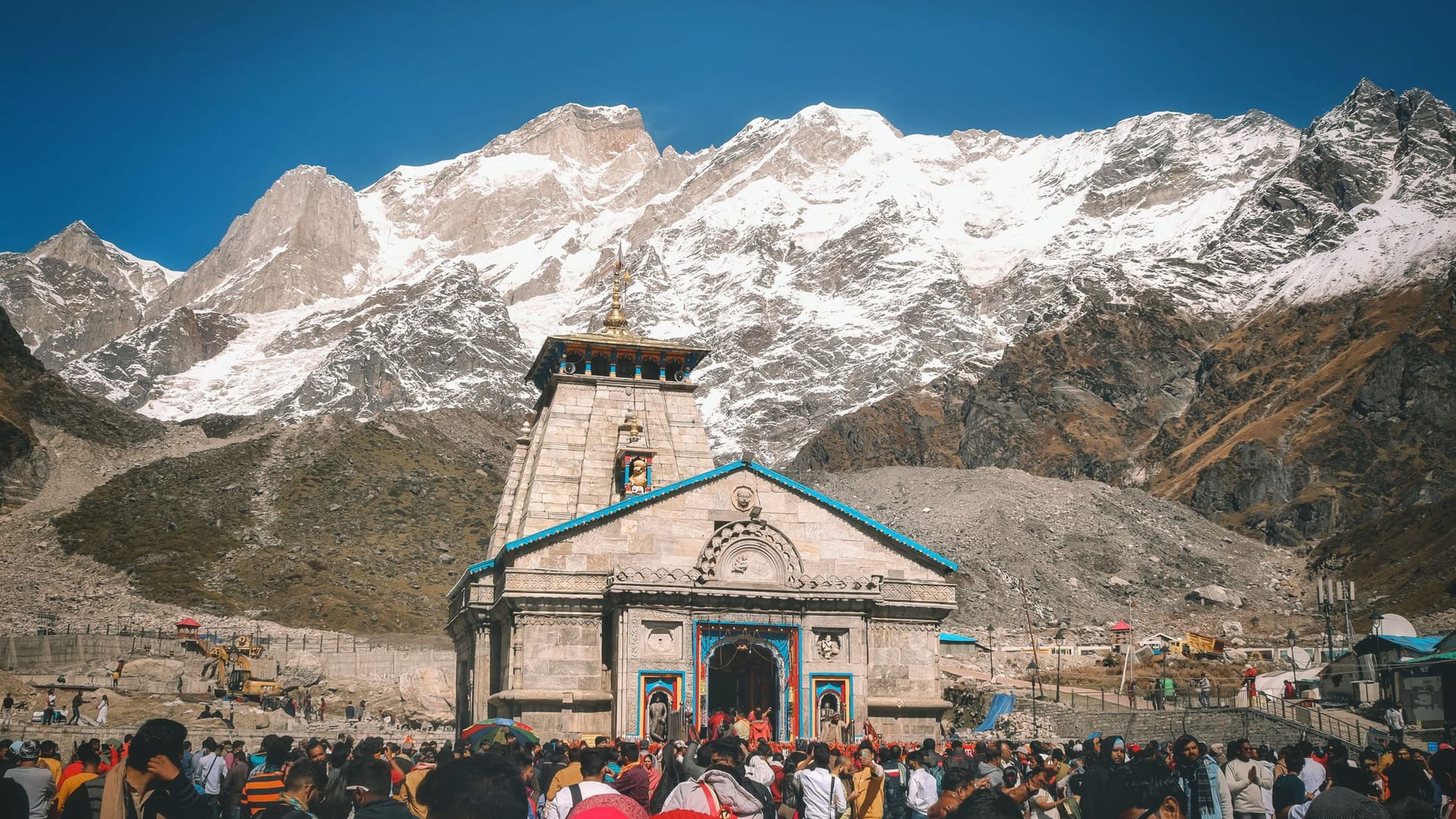
The Chardham Yatra — comprising Yamunotri, Gangotri, Kedarnath and Badrinath — is a deeply spiritual journey through the high Himalaya of Uttarakhand. Weather here changes rapidly with altitude and season, and understanding those patterns will help you choose the right time to go, pack appropriately and stay safe on the route.
Overview: Why weather matters on the Chardham
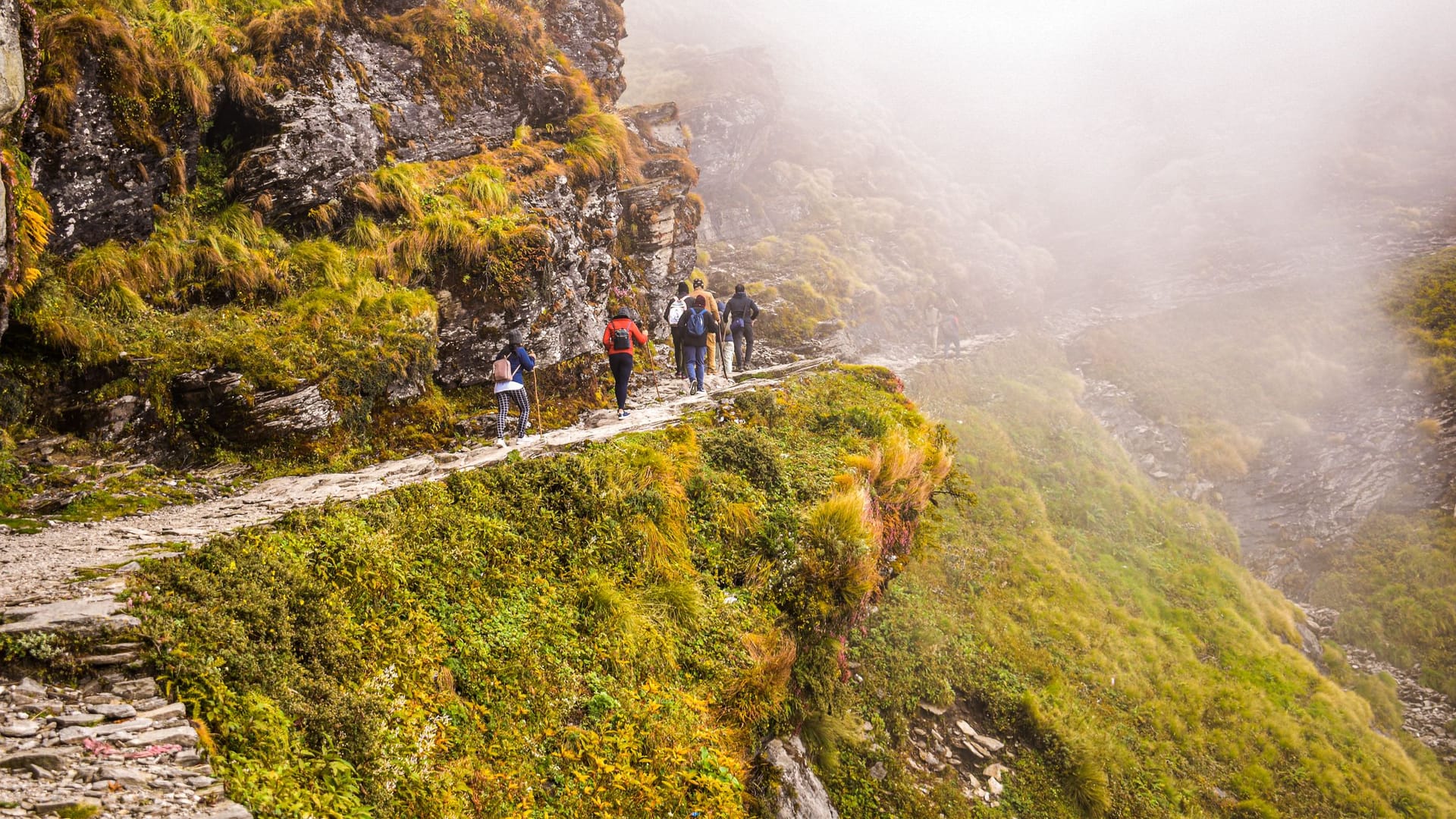
The Chardham circuit traverses valleys, high mountain passes and river gorges, with elevations ranging from mid-hill to several thousand metres above sea level. Weather affects road and helicopter operations, trekking conditions, the opening and closing of temples and local services. Unlike plains travel, a sunny morning can turn into rain or snow within hours, so planning needs to be conservative and flexible.
Spring (late spring to early summer): The start of the season
Spring marks the gradual awakening of the mountains after winter. Lower stretches begin to green, mountain streams swell with snowmelt, and temperatures climb during the day. However, at higher altitudes and around passes, patches of snow may remain and nights are chilly.
What to expect
- Daytime weather tends to be mild and pleasant in the valleys, often ideal for travel and sightseeing.
- Higher reaches still experience cold nights with the possibility of light snowfall or hail, especially in early spring.
- Road clearance operations are underway but occasional delays from remaining snow or landslips are possible.
Pros for travellers
- Fewer crowds compared to peak season — a more reflective pilgrimage.
- Refreshing landscapes, rivers swollen with clear meltwater and flowering meadows at lower elevations.
Tips
- Carry warm layers and a lightweight down jacket for evenings and high-altitude stops.
- Check local temple opening announcements and road status before departure; services may open progressively.
- Allow extra travel time — snow clearance or weather-related restrictions can cause schedule changes.
Summer and Monsoon (main pilgrimage season): High season and heavy rains
Late spring into summer brings the busiest period for Chardham Yatra. The region becomes accessible, Hindu pilgrims arrive in large numbers, and most temples and lodges are fully operational. At the same time, the monsoon brings a very different set of conditions, especially on approaches and lower valley roads.
What to expect
- In the high mountains, daytime temperatures are comfortable; nights remain cool. At lower altitudes, it becomes warm and humid.
- Monsoon rains can be intense, with frequent afternoon or evening showers in many areas. These rains increase the risk of landslides and road blockages.
- Visibility can reduce during heavy rain or cloud cover, affecting helicopter services and mountain views.
Pros for travellers
- All routes and services are generally open and at full capacity, with abundant transport and accommodation options.
- The landscape is lush, waterfalls are at their best, and the rivers feel vibrant.
Risks and cautions
- Monsoon-triggered landslides and road washouts are the major hazard — check weather and local advisories.
- Helicopter flights may be cancelled or rescheduled due to low visibility or high winds.
Tips
- Include waterproofs: a good raincoat, waterproof backpack cover and quick-drying clothes.
- Plan buffer days in your itinerary to absorb weather-driven delays.
- Prefer vehicles with experienced local drivers who know alternative routes and safe stopping points.
Autumn (post-monsoon): Clear skies and the best visibility
Autumn is widely regarded as the most favourable time for visiting the Chardham. The rains have cleared, roads are generally stable, and the mountains put on spectacular displays of clarity. Temperatures are moderate during the day but grow colder as the season progresses.
What to expect
- Stable weather with clear skies and excellent visibility — ideal for mountain views and photography.
- Temperatures remain pleasant in the daytime; evenings and early mornings are chilly, especially at high altitudes.
- Infrastructure is operating smoothly with fewer weather interruptions compared to monsoon.
Pros for travellers
- Optimal conditions for trekking and for helicopter services, with minimal cancellations due to weather.
- Post-monsoon freshness produces pristine air and dramatic vistas of snow-capped peaks.
Tips
- Bring layered clothing to adapt to sharp day-night temperature swings.
- Book travel and accommodation in advance — this is peak pilgrimage season for many.
Winter: Cold, quiet and high-altitude snow
Winter brings severe cold and significant snowfall at higher elevations. Many of the Chardham shrines and their access roads close for winter or have limited services. Travel becomes challenging and is best avoided unless you are prepared for snow travel and reduced amenities.
What to expect
- Heavy snow at higher elevations leads to road closures and limited or no public transport to some temples.
- Temperatures fall sharply after sunset; hypothermia and frostbite are real risks without proper gear.
- Lower valleys may have milder weather but can still be affected by cold spells and occasional snowfall.
Pros for travellers
- If you seek solitude and are prepared for winter conditions, the landscape is uniquely beautiful and tranquil.
Risks and cautions
- Many establishments close, so essential services like medical aid and fuel stations are less accessible.
- Roads can be icy and dangerous; driving requires winter tyres and chains, plus local expertise.
Tips
- Avoid high-altitude travel unless you have confirmed routes, guides and emergency plans.
- Carry high-quality insulated clothing, a warm sleeping bag if camping, and a portable heat source where allowed.
Altitude, acclimatisation and health considerations
Elevation changes on the Chardham can trigger altitude-related illnesses, especially at the higher points near Kedarnath and Gangotri. Symptoms can range from mild headaches and nausea to more serious conditions. Weather stress — cold, rain or intense sun at altitude — can aggravate these risks.
Practical advice
- Plan gradual ascent profiles where possible; avoid rapid gains in altitude in a single day.
- Keep hydrated, eat lightly, and rest when you feel fatigued.
- Carry a basic medical kit, altitude sickness medication if prescribed, and seek immediate help for breathing difficulties or persistent symptoms.
Packing checklist for season-specific needs
Adapt your packing to the season you travel in, but always include some season-proof essentials because mountain weather can be unpredictable.
Always pack
- Layered clothing: base layer, insulating mid-layer, windproof/waterproof outer layer.
- Sturdy walking shoes with good grip and a pair of closed waterproof boots for rainy or snowy terrain.
- Hat, gloves, sunglasses with UV protection and sunscreen for high-altitude sun exposure.
- Portable umbrella or light waterproof poncho and a backpack rain cover.
Season-specific extras
- Spring: lightweight down jacket, gaiters for slushy snow and good thermal socks.
- Monsoon: reliable rainwear, quick-dry clothes and anti-leech salts if trekking through damp vegetation.
- Autumn: warmer layers and a thermos for hot drinks during crisp mornings.
- Winter: heavy insulated jacket, thermal layers, woollen hat, insulated gloves and crampons or chains if you must travel on snowy roads.
Travel planning: flexibility and local updates
Weather-related closures and service limitations are common on the Chardham. Rigid itineraries risk missed connections or hurried, unsafe travel decisions. Building flexibility into your plan will save stress and keep you safer.
Smart planning tips
- Check local weather forecasts daily and stay in touch with your accommodation provider or guide for road and flight updates.
- Keep contingency days and alternative routes in your schedule.
- Consider guided tours or local operators who monitor weather and safety conditions and can assist with last-minute changes.
Final thoughts
Chardham Yatra is a spiritual and scenic journey shaped as much by the seasons as by devotion. Autumn offers the most reliable weather and clear views, while spring has freshness and fewer crowds. Monsoon demands caution and flexibility because of landslides and heavy rain, and winter is harsh but serene for those equipped for snow travel. Whatever season you choose, prioritise safety, stay informed about local conditions and pack for both warmth and wet weather — the mountains will always reward thoughtful preparation with unforgettable experiences.