Chardham Yatra Complete Guide for First-Time Pilgrims
Planning your first Chardham Yatra? This complete guide covers everything you need to know—from the best time to visit, route details, to essential tips for a safe and fulfilling pilgrimage in the Himalayas.
By TravMe travel team · · 3 min read
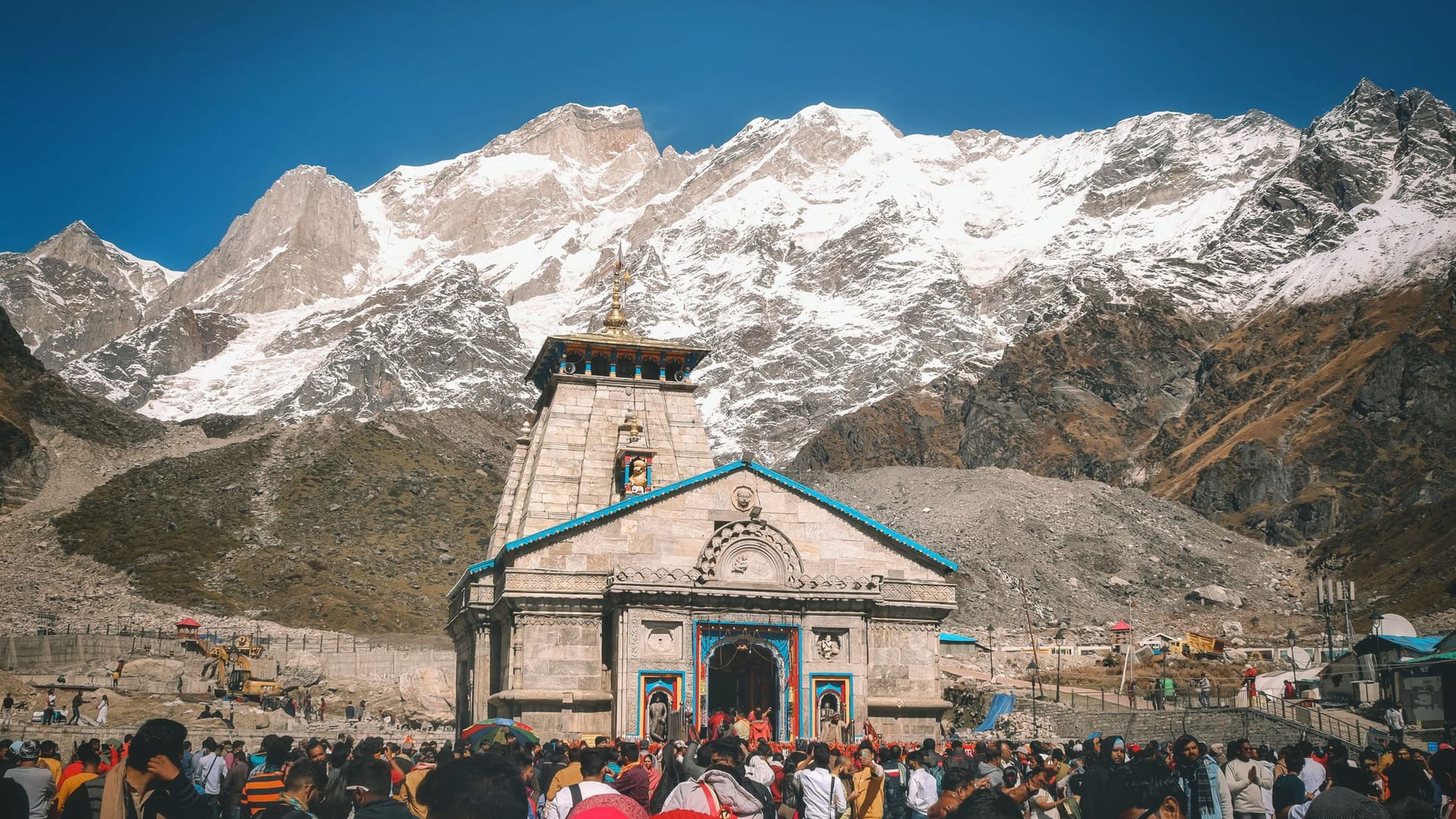
The Chardham Yatra is one of the most revered pilgrimages for Hindus, drawing thousands of devotees each year to the sacred Himalayan shrines of Yamunotri, Gangotri, Kedarnath, and Badrinath. For first-time pilgrims, the journey can be both spiritually uplifting and physically demanding. This comprehensive guide aims to prepare you for a smooth, safe, and fulfilling experience on the Chardham Yatra.
Understanding the Significance of Chardham Yatra
The term 'Chardham' means 'four abodes'—referring to the four holy temples situated in the Garhwal region of Uttarakhand. These temples honor Lord Shiva (Kedarnath), Lord Vishnu (Badrinath), Goddess Yamuna (Yamunotri), and Goddess Ganga (Gangotri). Undertaking this pilgrimage is believed to cleanse sins and lead to moksha (liberation).
Best Time to Undertake the Chardham Yatra
The ideal time to embark on the Chardham Yatra is between the months of April and October. The pilgrimage season usually begins after the winter snow melts, typically in late April or early May, and extends until the onset of winter in October or early November.
- Summer (May to June): Pleasant weather but can be crowded as many pilgrims prefer this time.
- Monsoon (July to September): The region receives heavy rainfall, increasing the risk of landslides and slippery trails. Not recommended for first-timers.
- Early Autumn (September to October): Clear skies and fewer crowds, making it an excellent time for the Yatra.
Planning Your Route: Traditional vs. Helicopter Yatra
There are two main ways to undertake the Chardham Yatra — the traditional trekking route and the helicopter service. Your choice depends on your fitness level, budget, and time constraints.
Traditional Route
This route involves traveling by road to the base points for each shrine, followed by trekking to the temples. The usual sequence for the pilgrimage is:
- Yamunotri
- Gangotri
- Kedarnath
- Badrinath
The journey starts from Haridwar or Rishikesh, both well-connected by road and rail. The trek to Yamunotri is about 6 km; Gangotri is accessible by road with a short trek; Kedarnath requires a 16 km trek from Gaurikund; Badrinath is reachable by road.
Helicopter Yatra
For pilgrims with limited time or mobility challenges, helicopter services are available to all four shrines. This option is faster and more comfortable but comes at a higher cost. Booking in advance is essential during peak season.
Essential Preparations Before the Yatra
Preparing well can enhance your pilgrimage experience significantly. Here are some important aspects to consider:
Physical Fitness
The trek, especially to Kedarnath and Yamunotri, requires stamina and endurance. Regular walking, light jogging, and basic cardio exercises in the weeks leading up to the Yatra can help.
Clothing and Gear
- Carry layered clothing suitable for cold weather, as temperatures can drop drastically.
- Comfortable trekking shoes with good grip.
- Raincoat or waterproof jacket, especially if traveling close to monsoon.
- Backpack with essentials like water bottle, snacks, medications, and personal hygiene items.
Health and Safety
- Consult your doctor, especially if you have pre-existing medical conditions.
- Carry a basic first-aid kit including altitude sickness medication if advised.
- Stay hydrated and avoid overeating.
Accommodation and Facilities
Each shrine town offers a range of accommodation options, from dharamshalas and ashrams to budget hotels and guesthouses. It is advisable to book in advance during the peak pilgrimage season.
Local Culture and Etiquette
Respect the local customs and traditions. Dress modestly and maintain decorum in and around the temples. Photography might be restricted in certain areas, so be mindful of signage and instructions.
Important Tips for First-Time Pilgrims
- Start the Yatra early in the day to avoid trekking in low visibility.
- Hire local guides if unfamiliar with the route.
- Stay connected with family or friends and inform them about your itinerary.
- Carry enough cash, as ATMs may not be available in remote areas.
- Be patient and respectful to fellow pilgrims; the journey is as much about spirituality as it is about endurance.
Conclusion
The Chardham Yatra is a transformative journey offering spiritual solace and an opportunity to explore the majestic Himalayas. With proper planning, physical preparation, and respect for the environment and culture, first-time pilgrims can look forward to a deeply rewarding experience that stays with them for a lifetime.