Fort Aguada Guide: Lighthouse, Ramparts and Sea Views
Discover Fort Aguada's history, lighthouse, sweeping sea views and practical tips for visiting Goa's iconic 17th-century coastal stronghold.
By TravMe Holidays travel team · · 6 min read
Perched on a headland where the Mandovi River meets the Arabian Sea, Fort Aguada is one of Goa's most photogenic and historic landmarks. This 17th-century Portuguese fort, with its well-preserved ramparts and commanding lighthouse, offers panoramic sea views, cooling breezes and a tangible sense of colonial maritime history. Whether you're a history buff, a photographer or a traveller seeking serene coastal vistas, Fort Aguada rewards a well-paced visit.
Why visit Fort Aguada?
Fort Aguada combines dramatic coastal scenery with tangible Portuguese-era architecture. Its lighthouse, one of the oldest in Asia, still punctuates the skyline; the ramparts invite leisurely walks; and the surrounding beaches and salt pans add to the area's scenic charm. A visit here provides both context to Goa's maritime past and a pleasurable break from crowded beaches and bars.
Brief history
Built in the early 1600s by the Portuguese, Fort Aguada served as a crucial defence point guarding the mouth of the Mandovi River and the approach to Old Goa, then the colonial capital. The name "Aguada" comes from the Portuguese word for fresh water, reflecting the natural spring within the fort grounds that was used to supply ships. Over centuries, the fort has seen modifications and partial ruin, but key elements such as the walls, bastions and the lighthouse remain prominent.
What to see at Fort Aguada
The lighthouse
The lighthouse at Fort Aguada is a focal point for many visitors. Though the original structure has undergone changes, the tower continues to be an evocative landmark. Standing near the lighthouse affords sweeping views of the Arabian Sea and the coastline to the north and south. For photographers, early morning and late afternoon light bring out the textures of the stone and the blue of the sea.
The ramparts and bastions
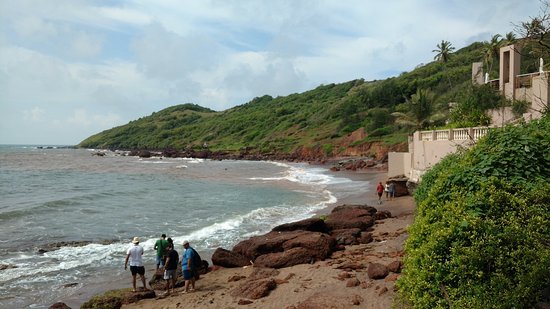
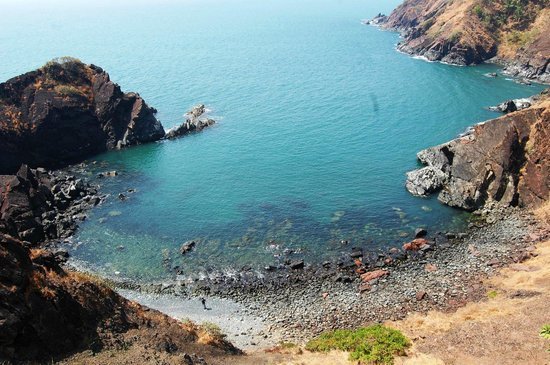
The fort's ramparts offer a pleasant walk with frequent lookout points. From the bastions you can observe the reef-lined shore and the inbound channel that once saw Portuguese galleons. The ramparts are also a popular spot to watch the sunset or to simply sit and listen to the surf below.
The freshwater spring and historical remnants
Inside the fort are remnants of old buildings and cisterns that hint at its logistical role. The freshwater spring that inspired the fort's name was historically important for replenishing ships. While the features are not lavishly restored, they provide authentic glimpses into colonial-era engineering.
Practical information
Location and how to reach
Fort Aguada is located on the northern edge of Candolim beach, close to the coastal town of Sinquerim. It is easily accessible from popular Goan hubs such as Panaji and Calangute. Visitors typically reach the fort by taxi, auto-rickshaw or rented two-wheeler. If you are staying in nearby beach villages, a short ride or even a pleasant cycle trip can bring you to the fort gates.
Opening hours and entry
Fort Aguada is an open-air heritage site and generally accessible during daylight hours. There may be an entry fee or a nominal conservation charge to access certain sections, and some areas can be restricted for preservation or security reasons. Check with local authorities or your hotel for up-to-date access details before planning your visit.
Best time to visit
The ideal months to visit Goa and Fort Aguada are during the cooler, drier season from November to February. Mornings and late afternoons are the best times to avoid midday heat and to capture soft light for photography. The monsoon months bring dramatic skies and greener surroundings, but road access and beach conditions can be affected by heavy rains.
How much time to allocate
Allocate at least 1.5 to 2 hours for a relaxed visit. This allows time to walk the ramparts, explore the immediate fort area, take photographs and enjoy the sea views. If you plan to combine the trip with nearby beaches or a museum, you may want a half-day outing.
Photography and viewpoints
Fort Aguada offers multiple vantage points for landscape and architecture photography. Sunrise over the sea produces gentle pastels, while sunset paints the stonework golden. Wide-angle lenses work well for capturing the expanse of the ramparts against the sea, and a telephoto lens can pick out distant vessels and coastline details.
Recommended spots
- The promenade along the outer ramparts for sea vistas and distant horizon shots.
- Near the lighthouse for classic vertical compositions juxtaposing stone and sky.
- On elevated bastions for low-angle shots of the fort walls with the ocean backdrop.
Safety and accessibility
While most of the fort is accessible to the public, some pathways can be uneven and have low parapets—exercise caution, especially with children. Wear comfortable shoes with good grip. During the hot season, carry sufficient water and a hat. If you have mobility concerns, confirm in advance whether specific sections are accessible; some parts require climbing steps or negotiating uneven surfaces.
Tip: Avoid leaning on old parapets or climbing on fragile sections of the wall—historic stones can be unstable and preservation rules are in place to protect the site.
Nearby attractions and things to combine with your visit
Fort Aguada is close to several beaches and points of interest, making it easy to combine multiple activities in one outing:
- Candolim and Sinquerim beaches — ideal for a swim or beachside lunch after exploring the fort.
- Calangute and Baga — lively beach stretches with markets, water sports and eateries.
- Old Goa — for those interested in churches and colonial-era architecture, it’s a longer trip inland.
- Local seafood shacks and beach restaurants — sample Goan curries, prawn dishes and cashew-based sweets to round off the visit.
Visitor tips
- Carry sunscreen and water, especially during the hotter months. Shade can be limited on the ramparts.
- If you plan to photograph at sunrise or sunset, arrive early to secure a good spot and to catch changing light conditions.
- Respect signage and barriers—many sections are fragile and under conservation efforts.
- Combine your visit with nearby beaches for a full coastal experience; pack a change of clothes or swimwear if you plan to bathe.
- Use local guides if you want deeper historical insight; they can point out lesser-known architectural features and stories associated with the fort.
Sustainable visiting
Fort Aguada is both a tourist magnet and a heritage site. Help preserve it by carrying back any litter, avoiding the use of plastic where possible, and using marked paths. If visiting in a group, spread out and avoid overcrowding particular sections so that the site endures for future visitors.
Final thoughts
Fort Aguada is more than a photo stop; it offers a layered experience of history, maritime charm and coastal beauty. Whether you linger on the ramparts watching ships slip by, examine the lighthouse's silhouette against the sky, or combine your trip with a beachside meal, the fort remains one of Goa’s most rewarding and accessible heritage experiences. Plan your visit during cooler hours, respect the site, and leave room in your itinerary to soak in the vistas—Fort Aguada rewards a slow and curious exploration.