Best Time to Visit South India for Hill Stations, Temples and Wildlife
Discover the best time to visit South India for its hill stations, ancient temples, and rich wildlife. Plan your trip to enjoy pleasant weather, vibrant festivals, and ideal conditions for exploring nature and heritage.
By TravMe travel team · · Updated · 4 min read
South India is a treasure trove of diverse experiences, from the misty hill stations and majestic ancient temples to the vibrant wildlife sanctuaries. Choosing the right time to visit this enchanting region can greatly enhance your travel experience, allowing you to enjoy comfortable weather and immerse yourself in the cultural and natural beauty of the area.
Understanding South India’s Climate
South India generally has a tropical climate, but it exhibits significant variation due to its geography. The coastal plains are hot and humid for much of the year, while the hill stations enjoy cooler, more temperate conditions. The region experiences three main seasons:
- Summer (March to May): Characterised by rising temperatures, especially in the plains, with hill stations offering a pleasant escape.
- Monsoon (June to September): The southwest monsoon brings heavy rainfall to most parts, rejuvenating the landscape but sometimes disrupting travel plans.
- Winter (October to February): The most comfortable season, with mild temperatures and clear skies, making it ideal for sightseeing and outdoor activities.
Best Time to Visit Hill Stations in South India
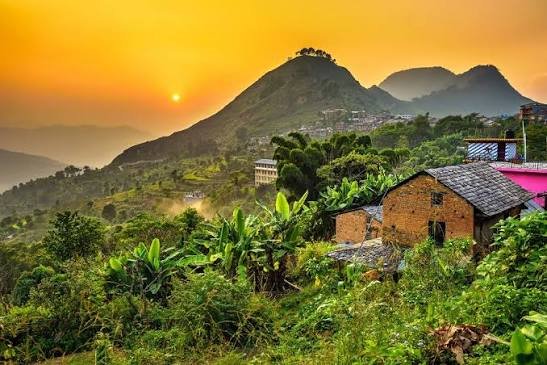
South India boasts some of the most scenic hill stations like Ooty, Kodaikanal, Munnar, Coorg, and Wayanad. These places are perfect summer retreats for those looking to escape the heat of the plains.
Ideal Season
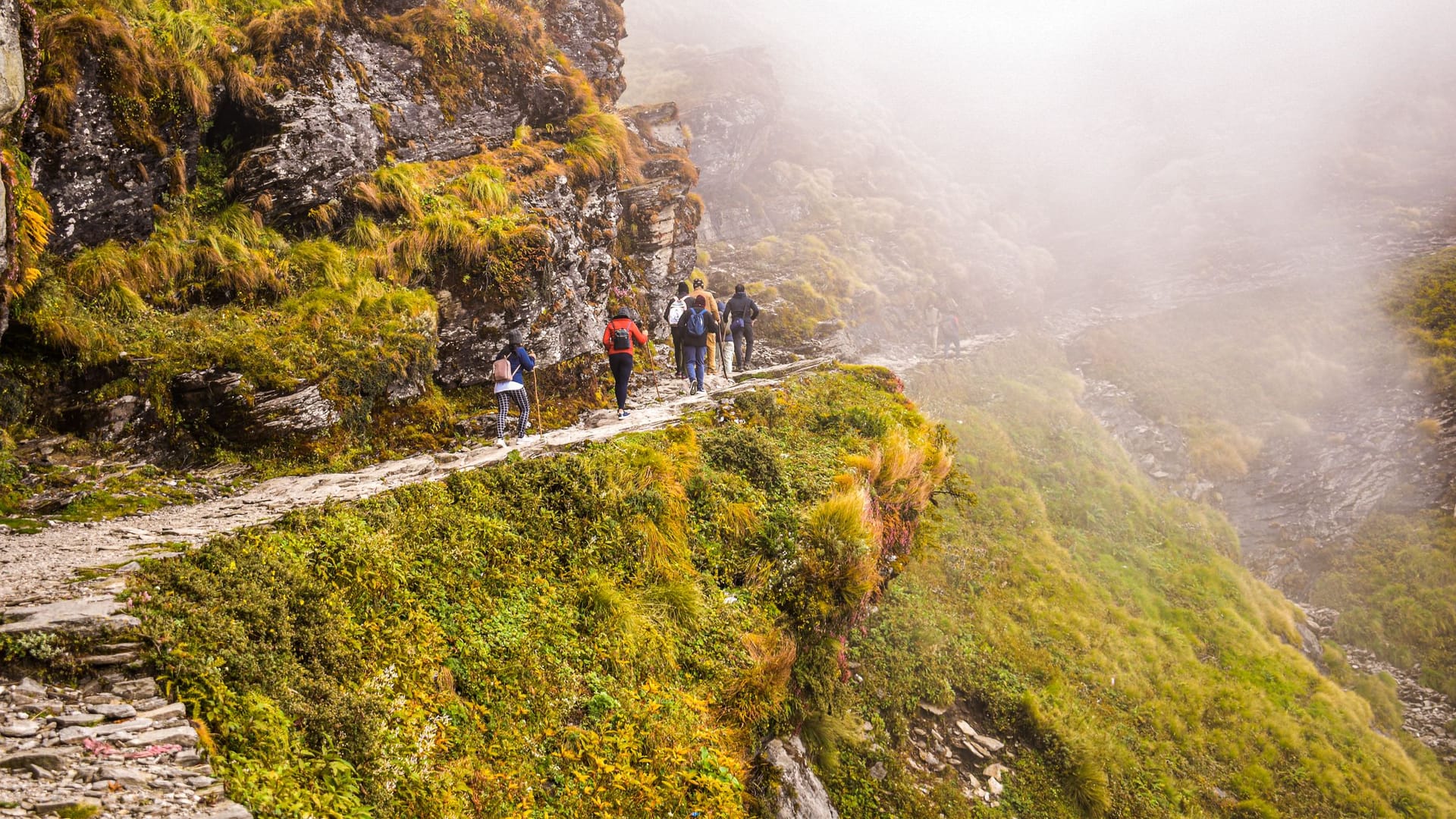
The best time to visit these hill stations is from October to March. During these months, the weather is cool and pleasant, with daytime temperatures ranging from 15°C to 25°C. The skies are mostly clear, offering stunning panoramic views and excellent opportunities for trekking, nature walks, and sightseeing.
Monsoon Considerations
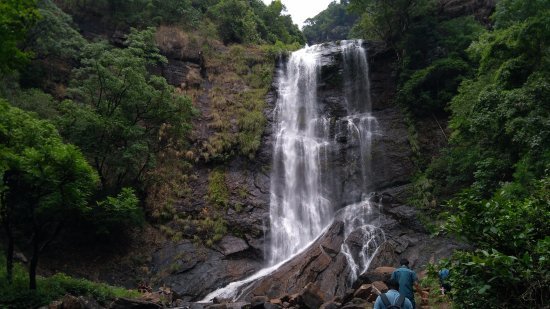
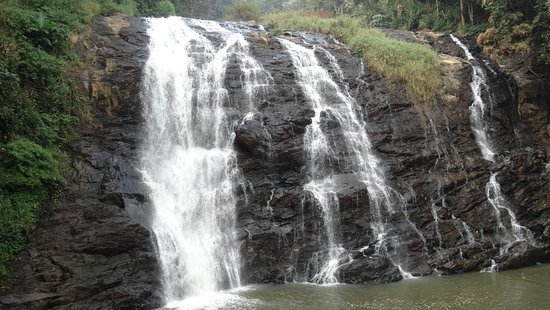
While the monsoon season (June to September) transforms the hill stations into lush green paradises with numerous waterfalls, it can also cause frequent rains and occasional landslides. If you enjoy the monsoon ambiance and don’t mind the rain, this can be a unique time to visit, but ensure you check weather and travel advisories.
Best Time to Explore Temples in South India
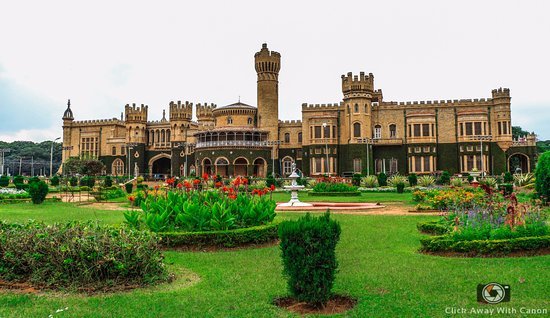
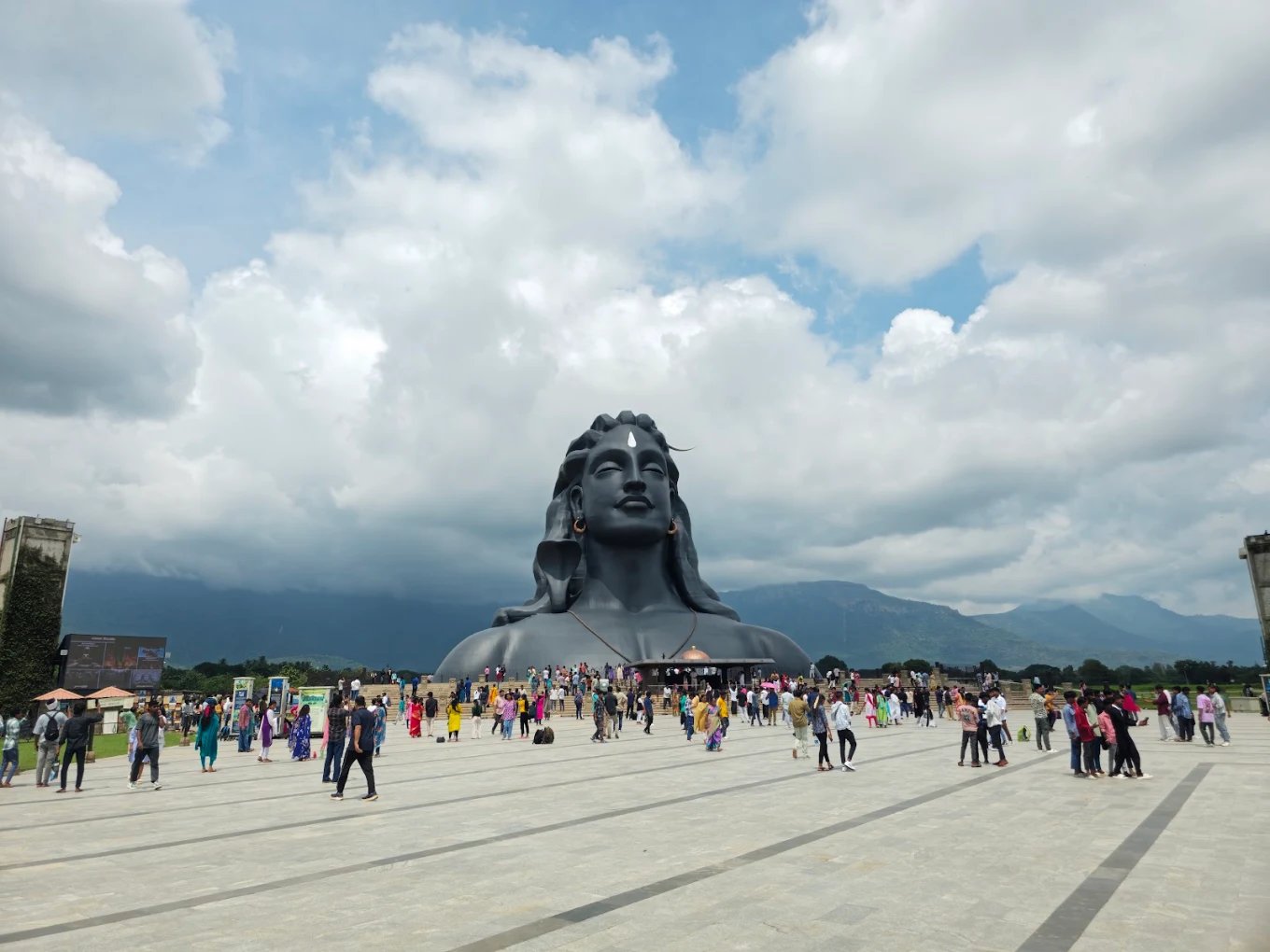
South India is renowned for its magnificent temples, reflecting its rich cultural and spiritual heritage. Temples such as Meenakshi Amman in Madurai, Brihadeeswarar in Thanjavur, Virupaksha in Hampi, and the temples of Mysore attract millions of devotees and tourists.
Optimal Visiting Period
The cooler months from November to February are ideal for temple visits. The pleasant weather allows you to explore these sprawling temple complexes comfortably throughout the day. Additionally, many temples host major festivals during this time, providing an immersive cultural experience.
Festivals to Experience
- Navaratri/Dussehra: Celebrated widely in Mysore and other parts of Karnataka and Tamil Nadu, this festival features vibrant processions and cultural events.
- Mahamaham Festival: Occurs every 12 years in Kumbakonam, attracting pilgrims to the sacred tank and temples.
- Chithirai Festival: In Madurai, this festival celebrates the celestial wedding of Meenakshi and Sundareswarar with grandeur and devotion.
Best Time for Wildlife and Nature Enthusiasts
South India is home to diverse wildlife sanctuaries and national parks such as Bandipur, Periyar, Nagarhole, Mudumalai, and Silent Valley. These protected areas offer opportunities to spot elephants, tigers, leopards, and myriad bird species.
Visiting Season
The winter months from November to February are the best time for wildlife safaris. The cooler weather makes animal sightings more frequent as animals come out to bask in the sun and drink water from limited sources. The dry season also improves visibility in the forests.
Monsoon Impact
During the monsoon, the forests come alive with lush greenery and new life, but heavy rains can restrict safari timings and accessibility. Some parks and reserves may be closed or operate with limited access for safety reasons.
Travel Tips for Visiting South India
- Book accommodations and safari permits early: Popular destinations fill up quickly during peak seasons.
- Pack appropriate clothing: Light cottons for daytime, woollens for hill stations, and rain gear if visiting during the monsoon.
- Respect local customs: Dress modestly when visiting temples and follow guidelines at wildlife parks.
- Stay hydrated and use sunscreen: The tropical sun can be intense, even in cooler months.
Conclusion
Choosing the best time to visit South India depends on your interests. For cool, scenic hill stations, October to March is perfect. Temple lovers will appreciate the comfortable weather and festive atmosphere from November to February. Wildlife enthusiasts should plan their trips in the dry, cooler months for the best chances of animal sightings. By aligning your travel plans with these seasons, you can fully enjoy the rich cultural heritage, natural beauty, and warm hospitality that South India offers.