Best Time to Visit Shimla for Pleasant Weather
Shimla's best time depends on whether you prefer cool summer breezes, snow-clad winters or colourful festivals; this guide helps you pick months for pleasant weather and activities.
By TravMe Holidays travel team · · 6 min read
Shimla, the charming hill station in Himachal Pradesh, offers something for every traveller across the year. Choosing the right time to visit can make the difference between a misty, romantic walk on the Mall and days lost to rain or heavy snow. This guide breaks down Shimla's seasonal weather, month-by-month expectations, activities to enjoy, and practical tips so you can plan a pleasant trip.
Quick climate overview
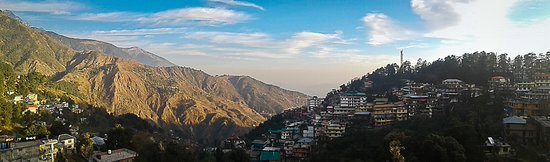
Shimla sits at about 2,200 metres above sea level, which gives it a temperate mountain climate. Summers are mild and pleasant, monsoon brings heavy rains to the surrounding hills, and winters can be cold with regular snowfall. Because of elevation, temperatures can dip significantly overnight even in warmer months, and weather can change quickly — plan for layers.
Season-by-season guide
Spring (March to early April)
Spring is a delightful time in Shimla. Temperatures start warming up from the chill of winter, days become longer, and rhododendrons and wildflowers begin to bloom on the slopes. Daytime temperatures are comfortable for sightseeing and short treks, while nights may still be cool.
Summer (mid-April to June)
Summer is the most popular period for visitors from the plains seeking relief from heat. Day temperatures are mild, usually pleasant for outdoor activities, and evenings are cool. This period offers clear skies and excellent visibility for panoramic views of the surrounding Himalaya. Accommodation, transport and Mall Road remain lively.
Monsoon (July to September)
The monsoon introduces heavy rain to the hills around Shimla. While the town itself gets rain, the intensity in neighbouring valleys can trigger landslides and road disruptions. If you enjoy lush, green landscapes, flowing streams and fewer crowds, monsoon has its charms — but be prepared for wet treks and possible travel delays.
Autumn (October to November)
Autumn brings stable weather, crisp air and clear skies, making it a great time for photography and day hikes. Temperatures begin to drop, especially after sunset, and the days remain pleasantly cool. This is another excellent window for sightseeing without the summer crowds.
Winter (December to February)
Winter in Shimla is cold and frequently snowy. Snowfall enhances the town's colonial architecture and turns it into a winter wonderland, attracting visitors who want to experience snow and winter sports. However, heavy snowfall can occasionally disrupt transport and require warm clothing and careful planning.
Month-by-month expectations
- March: Early spring blooms, cool mornings; good for quieter sightseeing.
- April: Pleasant days; ideal for nature walks and short treks.
- May: Peak summer pleasantness; busiest month for incoming tourists.
- June: Warm days but still comfortable; a good month before monsoon arrives.
- July–August: Monsoon onset brings frequent rains and lush greenery; beware of landslides on some roads.
- September: Transition month with receding rains and clearer weather; good for delayed plans.
- October: Clear skies and cool air; excellent for scenic drives and photography.
- November: Colder nights begin; preparations for winter set in.
- December–February: Winter season with regular snowfall possible; perfect for snow experiences and winter festivals.
Best months for pleasant weather
For the broadest appeal — comfortable days, minimal rain and accessible roads — mid-April to early June and October are the best windows to visit Shimla. These months offer clear skies, moderate temperatures and are ideal for sightseeing, walking along the Mall Road, visiting Jakhu Temple, and taking short nature trails.
When to visit for snow
If your main aim is to see snowfall, plan for late December through February. January often brings the heaviest snow spells, but snowfall can vary each year. Travelling during winter gives you the joy of snow-clad landscapes and fewer tourists, but be prepared for cold weather, possible road closures and higher demand for heated accommodation.
When to avoid Shimla
If you dislike rain, avoid peak monsoon months (July and August) because roads in and around Shimla can be affected by landslides and heavy showers. Similarly, if you prefer calm, uncrowded mornings and warm nights, mid-May when summer tourists peak, and festive periods like Christmas and New Year can be quite busy.
Activities by season
- Spring: Nature walks, birdwatching, visit to Chadwick Falls and nearby rhododendron trails.
- Summer: Sightseeing on Mall Road and Ridge, toy train rides from Kalka to Shimla (book early), trekking to nearby spots like Kufri and Mashobra.
- Monsoon: Enjoy the fragrant forests and less-crowded cafes; short walks when weather permits; indoor museums and colonial architecture tours.
- Autumn: Photography, clear-day sightseeing, drive to Naldehra or Narkanda for panoramic views.
- Winter: Snow play in Kufri, skiing options where available, festive markets, cosy evenings in cafés and fireplaces.
Practical travel tips
- Layered clothing: Temperatures can change quickly. Carry light layers for day and warm layers for mornings and nights, plus a waterproof layer during monsoon.
- Advance bookings: Peak summer and winter festive periods fill up fast. Book hotels and train tickets early.
- Transport: Roads to Shimla are hilly and sometimes narrow. Allow extra travel time and consider traveling in daylight, especially during monsoon and winter.
- Health: If you are not used to higher altitudes, take it easy for the first day or two and stay hydrated. Consult a doctor about altitude advice if you plan strenuous treks.
- Local events: Check festival calendars; local fairs and cultural events can enrich your experience but also mean larger crowds.
Packing checklist
- Comfortable walking shoes with good grip (essential for wet or icy streets)
- Warm jacket, thermals and woollens for winter visits
- Light layers, a sunhat and sunglasses for summer
- Raincoat or umbrella during the monsoon
- Power bank, sunscreen and basic medicines
- Camera or a smartphone with good battery life for scenic photography
Where to stay and logistics
Shimla has accommodation options to suit many budgets: heritage hotels near the Ridge and Mall for a colonial experience, mid-range hotels in the town centre, and cosy homestays in suburbs like Mashobra and Kufri for a quieter stay. If you want to combine tranquillity with accessibility, consider staying slightly away from the hustle of the Mall but within easy commute distance.
Getting there: Shimla is well-connected by road and rail. The Kalka–Shimla toy train is an iconic route and a slow, scenic option. Regular buses and private taxis operate from nearby cities. For a faster option, Chandigarh is the nearest major airport followed by a road transfer to Shimla.
Day trips and nearby attractions
- Kufri: Short drive for snow activities and panoramic views.
- Naldehra: Famous for golf course and scenic walks.
- Mashobra: Quiet apple orchards and nature trails.
- Chadwick Falls: Accessible falls best visited during the wetter season.
Tip: If you want pleasant weather with minimal risk of disruption, aim for April–June or October; choose winter only if you are prepared for cold and occasional travel delays for snow.
Final thoughts
Shimla is a year-round destination but the experience changes dramatically with the seasons. If your priority is pleasant, stable weather for sightseeing and outdoor activities, mid-April to early June and October are the most reliable months. For snow lovers, winter months offer unforgettable snowy landscapes and a festive atmosphere. Whatever time you choose, plan with flexibility, pack smartly and allow extra travel time to fully enjoy Shimla's hill magic.