Best Time for Chardham Yatra Month by Month
A month-by-month guide to choose the best time for Chardham Yatra — when each shrine opens, weather, accessibility, crowd levels, festivals and practical tips for a safe, comfortable pilgrimage.
By TravMe travel team · · 7 min read
Planning the Chardham Yatra? Timing matters. The four dhams — Yamunotri, Gangotri, Kedarnath and Badrinath — sit high in the Garhwal Himalaya and follow a seasonal rhythm governed by snow, monsoon and shrine opening days. This month-by-month guide helps you pick the best window for safety, accessibility and spiritual experience, with practical tips on logistics, packing and medical precautions.
Quick overview: When the dhams are open
Traditionally, the Chardham temples open in late April or May and close before winter around October or November. Exact opening/closing dates vary each year and are usually declared by the Uttarakhand government or temple committees. Expect the core pilgrimage season between May and October, with the busiest months in May–June and September–October.
Month-by-month guide
January — Winter closure and high Himalayan snow
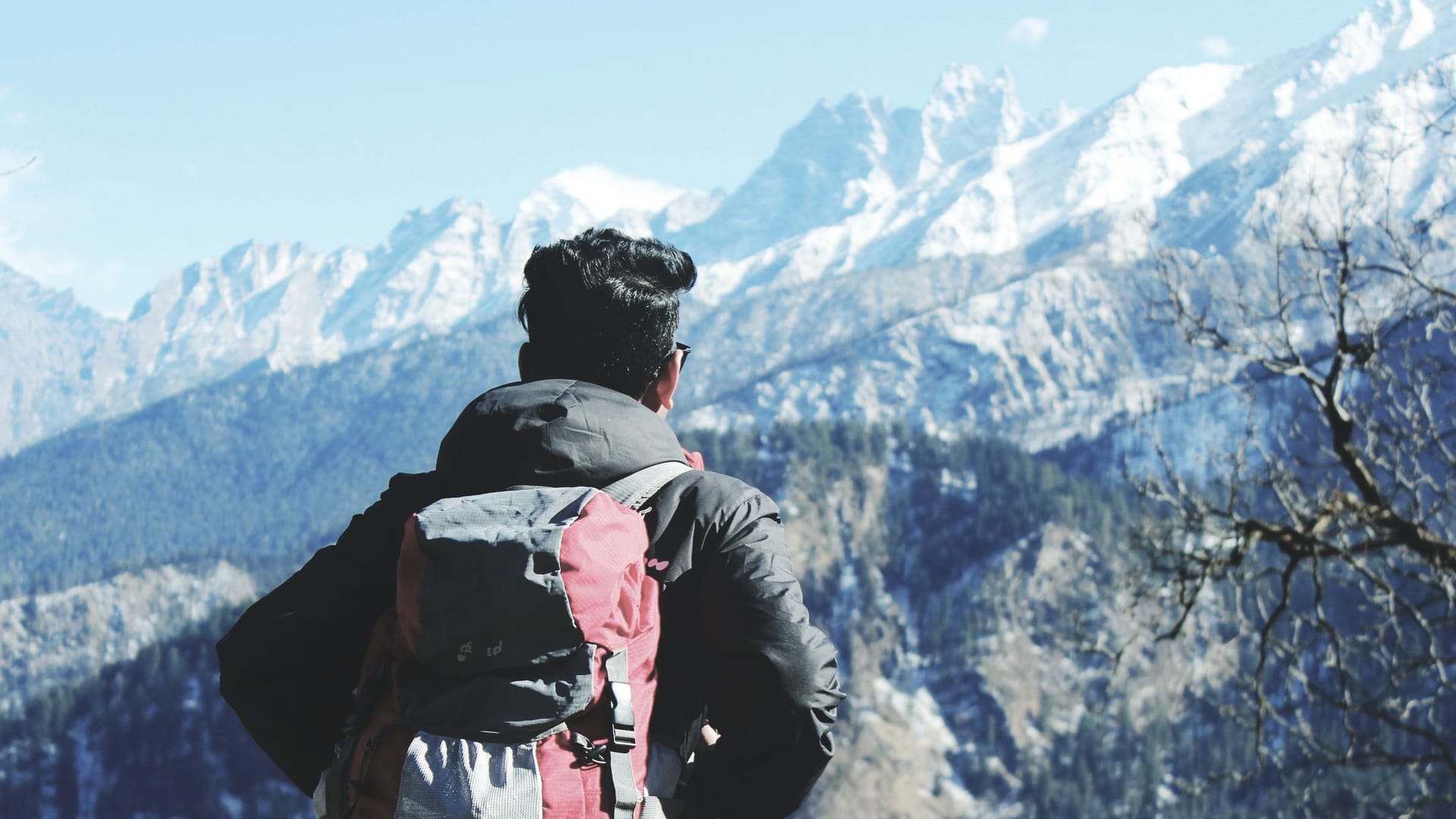
All four dhams remain closed for winter. Roads to the high-altitude shrines are snowbound. Weather is extremely cold, with heavy snowfall and risk of avalanches in higher reaches. This period is suitable only for experienced mountaineers or those interested in winter trekking far from the usual pilgrimage route. For most pilgrims, January is not a feasible month.
February — Still winter, slow thaw in lower valleys
Snow persists across the region. Low-lying towns like Rishikesh and Haridwar have milder weather, but the Himalayan approaches remain under thick snow. Infrastructure and services for pilgrims (guest houses, shops, yatra helpers) are either closed or operating minimally. Travellers should avoid planning Chardham visits in February.
March — Pre-season movement starts; roads still challenging
March brings gradual warming, but high passes retain snow. Temple committees begin preparation work; however, official openings are rarely before late April. Road clearances may begin, so you can scout the route, meet local operators, or undertake shorter treks nearby. This is a good month for planning and physical acclimatisation but not for the full yatra.
April — Temple preparations; openings may begin late month
April marks active preparations: priests return to shrines, paths are cleared, and local infrastructure gets ready for the season. Depending on snow melt and weather, temples may start reopening in the latter half of April. Lower-altitude stretches become approachable. If you prefer fewer crowds and cooler weather, late April can be attractive — but check official opening dates before booking.
May — Official openings; ideal high-altitude access begins
May is the most popular month for the Chardham Yatra to begin in earnest. Most shrines open between mid-April and mid-May. Snow at higher elevations reduces substantially, but patches remain. Temperatures are comfortable in the day, cold at night. Roads are generally open and helicopter services resume. Expect increasing crowds, especially around long weekends and festivals.
June — Peak season before monsoon intensifies
Early to mid-June is still excellent for the yatra. Days are warm and skies are usually clear, making it favourable for road travel and temple visits. Towards the end of June, the monsoon starts affecting the region — cloud cover, occasional landslides and road closures become more likely. If you plan for June, aim for the first half of the month for more reliable access.
July — Monsoon arrives; caution needed
July generally brings the full force of the monsoon to Uttarakhand. Heavy rain increases the risk of landslides, roadblocks and bridge damage. Helicopter operations may be disrupted by weather. While temples remain open, travelling during July requires flexibility, contingency plans and tolerance for delays. Pilgrims who choose July should engage experienced local operators and follow weather advisories closely.
August — High risk of interruptions; consider alternatives
August continues monsoon conditions in the mountains. Trail conditions can be unpredictable and dangerous. Many seasoned travellers avoid the full Chardham circuit this month. If you must travel, plan extra days, stay updated about road conditions, and prefer lower-altitude parts of the route. Alternatively, consider visiting religious sites in lower Uttarakhand or joining organized tours that handle logistics.
September — Post-monsoon revival and excellent conditions
September is one of the best months for Chardham Yatra. The monsoon recedes, air is clear, trails stabilize and rivers swell less. Tourist services and roads are fully functional, and colourful post-monsoon landscapes make for a memorable pilgrimage. Crowd levels are moderate compared to May–June. This is an excellent time for photography and safer trekking to remote shrines.
October — Peak autumn season and festive time
October offers crisp days, cool nights and spectacular clear views of the Himalaya. The atmosphere is festive during Navratri and Dussehra in some years, and many devotees plan visits in this month. Accessibility remains excellent until the temperature drops towards late October or November. If you prefer pleasant weather and vibrant cultural colour, October is a top choice.
November — Closing season; early cold and final darshans
Early November usually hosts the final darshans before winter closures. Badrinath and the mountain shrines may close by late November depending on snowfall. Nights become very cold, and higher sections may see the first heavy snowfalls. Plan for short days and reduced services as local operators start shutting for winter maintenance.
December — Winter closure resumes
By December, the high-altitude temples are closed and the region returns to harsh winter conditions. Roads are often blocked by snow; only a few lower-altitude religious and tourist services operate. For most pilgrims the Chardham Yatra is impractical in December.
Which months are best and why
- Best overall: May (mid) to June (early) and September to October. These months balance accessibility, weather, and scenic beauty.
- Least recommended: July and August due to monsoon hazards, and December–March due to heavy snow and closures.
- Budget/tranquility option: Late September gives fewer crowds than May and equally good weather.
Practical travel tips regardless of month
Check official opening dates and local advisories
Temple committees and the Uttarakhand government announce precise opening and closing dates annually. Always confirm before making non-refundable bookings. Local weather and road conditions can change quickly; monitor advisories and news.
Book transport and accommodation in advance
During peak months, accommodation in base towns (Haridwar, Rishikesh, Joshimath, Gaurikund, Uttarkashi) fills up fast. Pre-book hotels, shared taxis, or helicopter slots if you need them. For monsoon travel, book refundable options where possible.
Packing and clothing
- Layered clothing: thermals, fleece, windproof jacket and a waterproof outer layer.
- Good trekking shoes with ankle support and non-slip soles.
- Sun protection: high-altitude sun is strong—sunscreen, sunglasses and hat.
- Rain protection in monsoon months: quick-dry clothing and rain cover for packs.
- Basic first-aid, altitude sickness medication if advised, and water purification means.
Health, altitude and acclimatisation
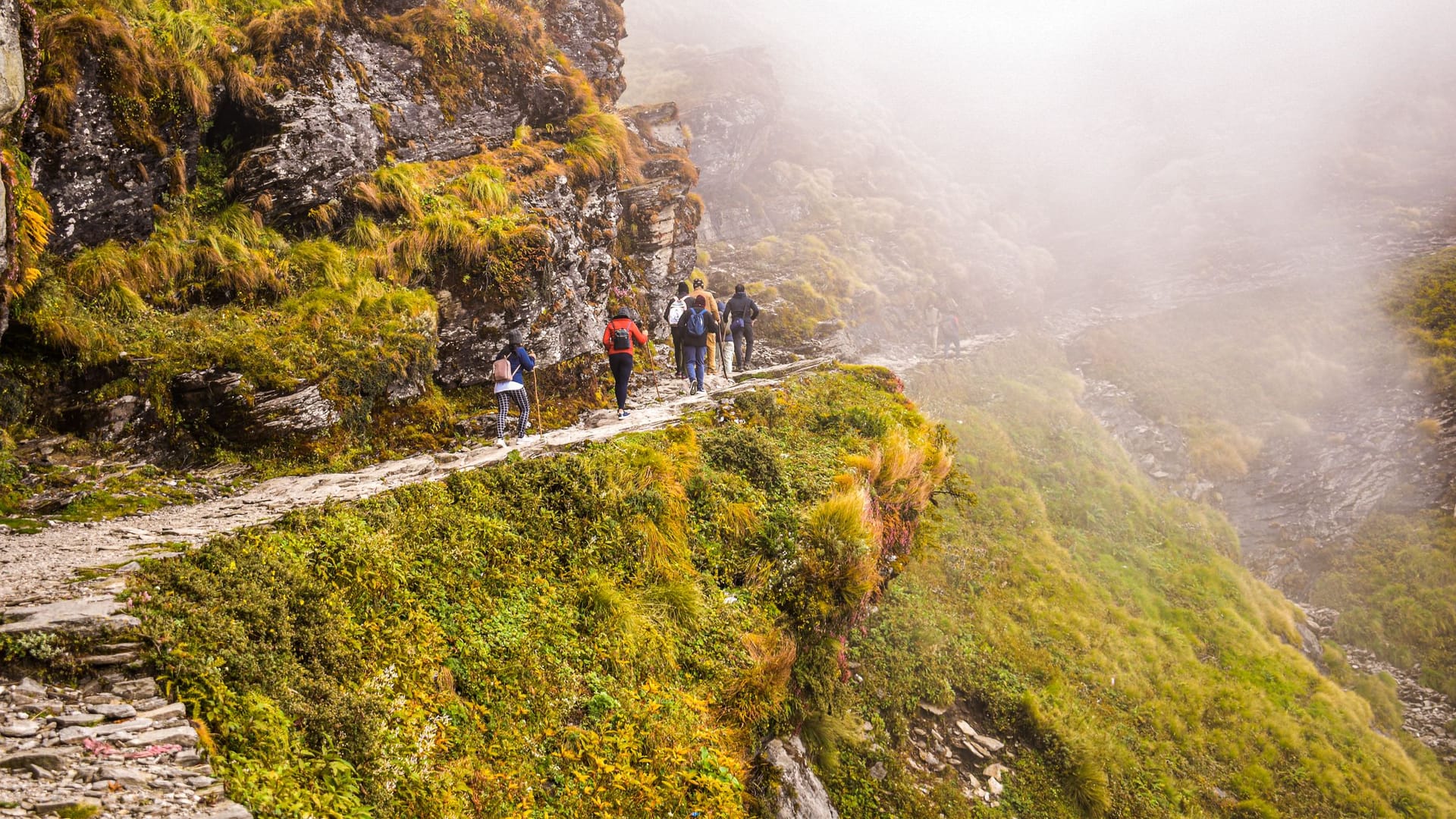
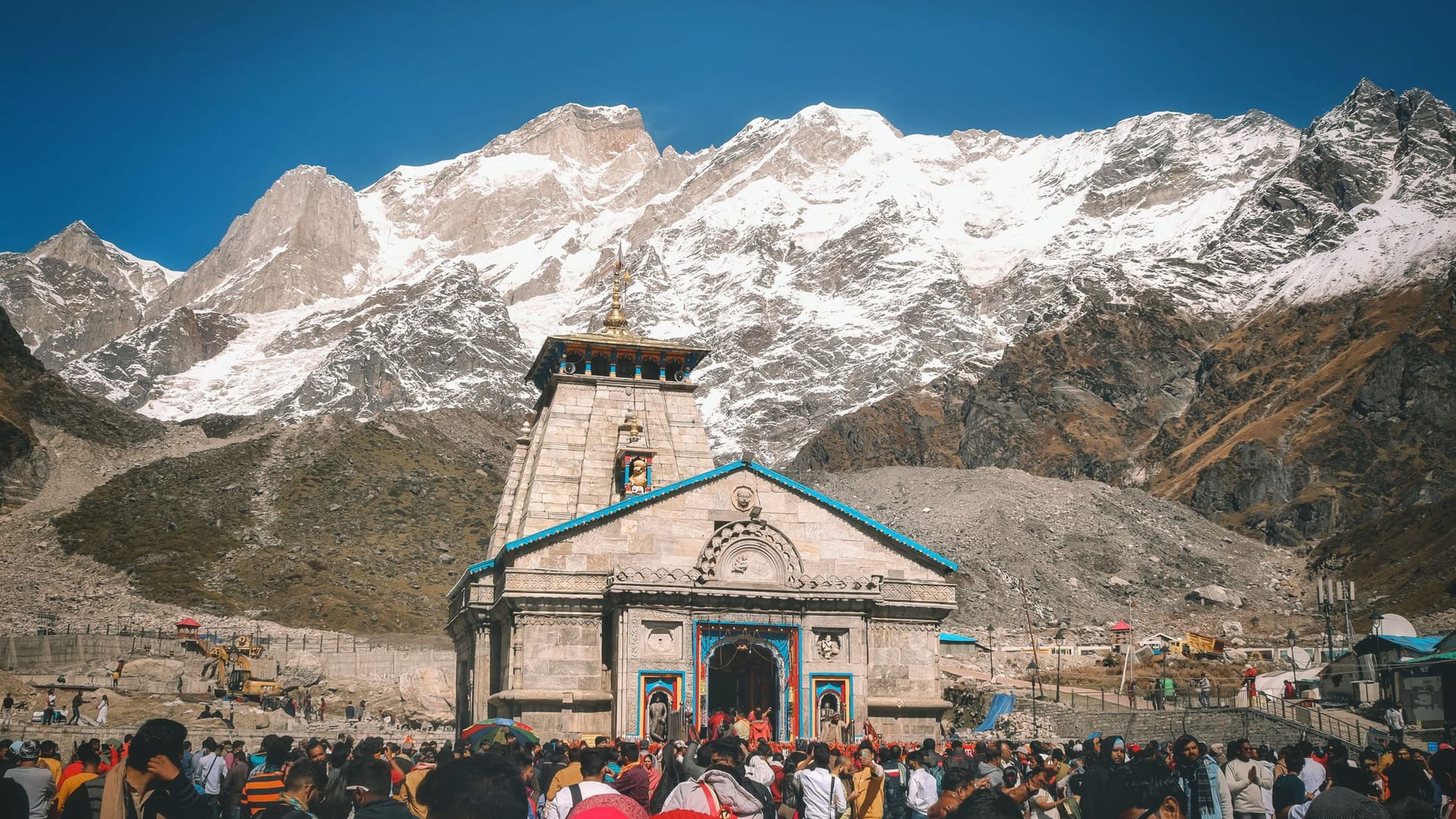
Some dhams, especially Kedarnath (3,583 m) and Yamunotri/Gangotri approaches, involve rapid altitude gain. Allow rest days en route for acclimatisation, stay hydrated, avoid alcohol, and be alert for symptoms of acute mountain sickness (headache, nausea, dizziness). Consult your doctor before travel if you have heart or respiratory problems.
Local conditions and cultural etiquette
Respect local customs: modest clothing inside temples, follow queue rules during aarti, avoid loud behaviour and littering. Carry small offerings if you wish to present them, and use authorised service providers (ponies, palanquins, guides) to support local livelihoods responsibly.
What to do if your dates coincide with monsoon or closures
If your travel plans fall during monsoon or temple closure periods, consider alternatives:
- Postpone to September–October or May–June for best conditions.
- Explore nearby spiritual circuits at lower altitudes (Rishikesh, Haridwar, Devprayag).
- Plan an off-season cultural trip in the Kumaon or lower Garhwal regions, where weather is milder.
Tip: Flexibility is key. Give yourself buffer days for weather delays and keep travel insurance that covers high-altitude travel interruptions.
Conclusion
Choosing the best time for Chardham Yatra depends on your priorities: safety, crowd size, weather and photography. May (mid) to early June and September–October are the most recommended windows, offering the best mix of clear skies, accessible routes and a meaningful pilgrimage experience. Avoid the monsoon months unless you are prepared for uncertainty, and respect official opening dates and local guidance for a smooth, spiritually rewarding journey.