Bali 7-Day Itinerary: Beaches, Temples and Rice Terraces
A practical, well-paced 7-day Bali itinerary that blends beaches, iconic temples and emerald rice terraces, with travel tips, transport advice and cultural etiquette for Indian travellers.
By TravMe travel team · · 6 min read
Seven days in Bali gives you just enough time to taste the island’s sun-soaked beaches, mystical temples and lush rice terraces without rushing. This itinerary balances island relaxation with cultural experiences and scenic drives, ideal if you want a compact yet immersive Bali holiday.
Quick overview: What to expect in 7 days
Bali is compact but varied: the south offers beaches and nightlife, central Bali holds Ubud’s culture and terraces, and the east and north reveal quieter temples and volcanic landscapes. In one week you can see a little of everything—beach time, temple rituals, jungle treks and scenic drives—while keeping travel times manageable if you base yourself in two locations.
How to use this itinerary
We recommend splitting your stay between two bases: Seminyak/Canggu (or nearby Kuta if you prefer livelier scenes) for the beach and dining scene, and Ubud for rice terraces, temples and central Bali culture. Book internal transfers or a private car for a few days to keep things flexible. Allow time to slow down—Bali is best enjoyed at a relaxed pace.
Day-by-day itinerary
Day 1 — Arrive in Bali: Seminyak or Canggu, unwind and sunset
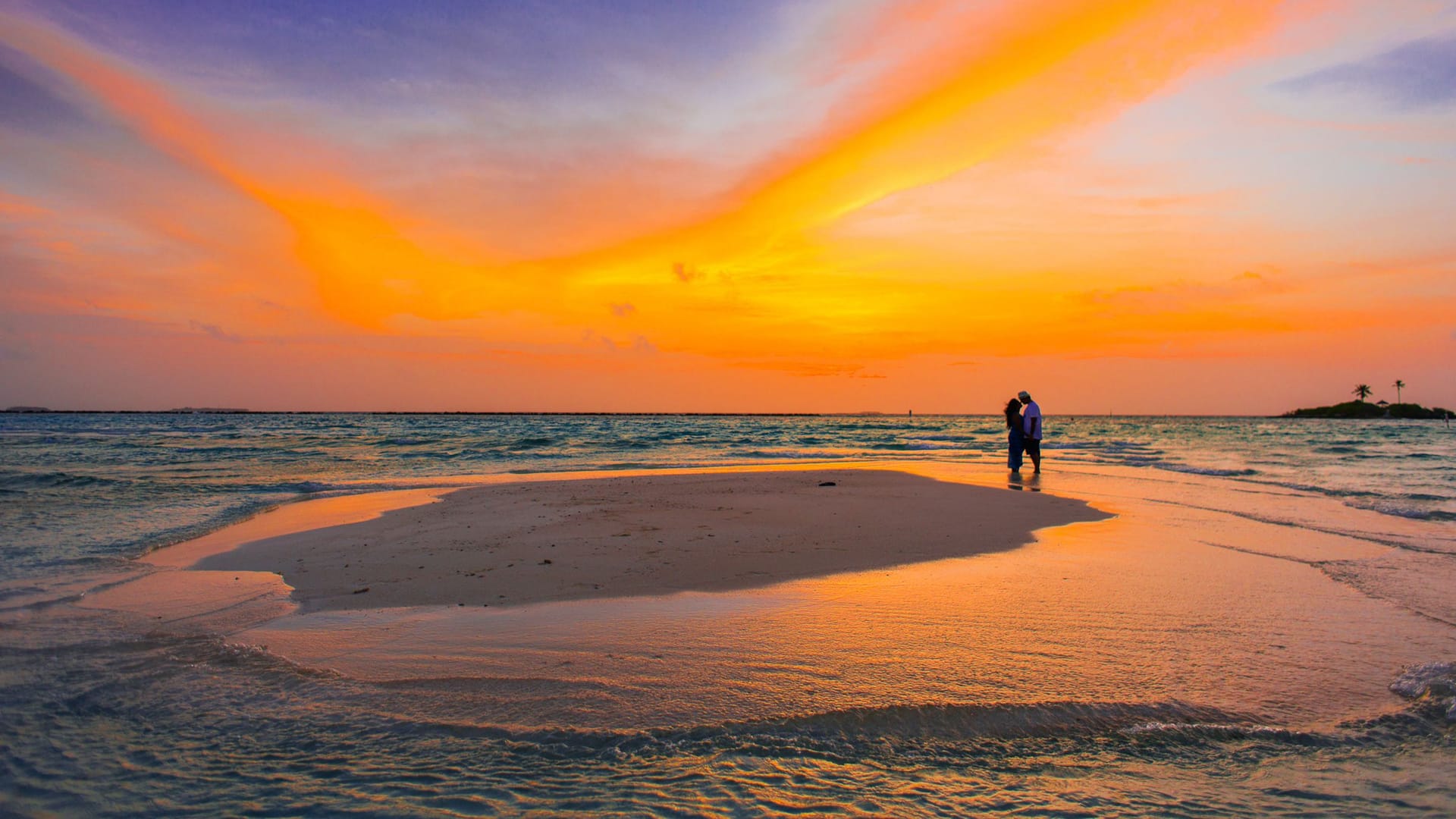
Land at Ngurah Rai International Airport (Denpasar) and head to your hotel in Seminyak or Canggu. After freshening up, explore the nearby streets, check out a beachfront café and enjoy your first Balinese sunset. Canggu’s surf-and-café culture and Seminyak’s boutique shopping give different vibes—choose what suits your energy. End the evening with a relaxed meal at a local warung or a chic restaurant.
Day 2 — Beaches and temples of the Bukit Peninsula
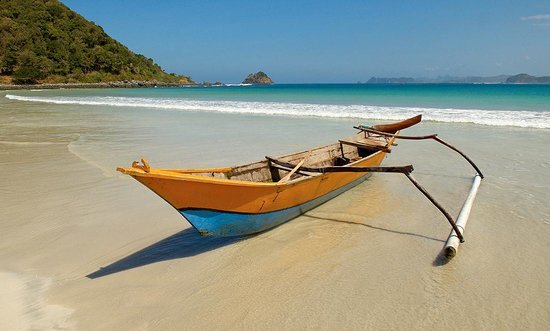
Spend the morning on a beautiful southern beach such as Padang Padang, Bingin or Balangan, known for golden sand and great surf views. In the afternoon drive to Uluwatu Temple, perched on cliffs with dramatic sea views. If you can, catch the Kecak fire dance at sunset, a theatrical performance that blends music, movement and the striking backdrop of the Indian Ocean. Return to Seminyak/Canggu for dinner.
Day 3 — Transfer to Ubud via Tanah Lot and Jatiluwih (optional)
On the way to Ubud, stop at Tanah Lot—one of Bali’s most photographed sea temples. Continue inland to the Jatiluwih rice terraces (a UNESCO cultural landscape) for an extended walk among layered paddies. Arrive in Ubud by late afternoon, check in and take a leisurely stroll through the town’s art markets and café-lined streets.
Day 4 — Ubud: Monkey Forest, palace and local markets
Start the day at the Sacred Monkey Forest Sanctuary to meet the macaques and see ancient temples shaded by tropical trees. Then visit Ubud Palace and the nearby traditional market to browse crafts, textiles and local snacks. In the afternoon consider a short workshop—batik, silver jewellery or a Balinese cooking class—to take a deeper cultural memory home with you.
Day 5 — Rice terraces and cultural villages: Tegalalang and surrounding sights
Head to the Tegalalang Rice Terrace early to avoid crowds and bring a camera—the tiered landscapes are iconic. Pair this with a visit to nearby villages such as Penestanan for art galleries and coffee shops. For an active option, join a guided walk through paddy tracks, or cycle in the countryside. If you prefer relaxation, book a spa treatment in Ubud in the late afternoon.
Day 6 — Mount Batur sunrise trek or eastern Bali exploration
For energetic travellers, a predawn trek up Mount Batur is a rewarding way to see sunrise over Bali’s volcanic peaks and Lake Batur. It’s a popular activity that requires a guided start in the early hours. If you prefer a calmer day, explore eastern Bali: Tirta Empul temple (famous for its purification springs), the scenic Sidemen valley or the dramatic Lempuyang Temple (Gate of Heaven) are excellent alternatives. Return to Ubud in the evening.
Day 7 — Free day and depart via seaside shopping
Use your final day to relax, shop or revisit a favourite spot. If your flight is late, you can return to the south and spend a few hours at a beach club or shopping complex. Allow ample transit time to the airport—traffic around Denpasar can be unpredictable—so plan your final transfer with cushion time.
Where to stay: recommended bases
- Seminyak/Canggu: Best for beaches, cafés, nightlife and stylish stays.
- Ubud: Ideal for culture, rice terraces, wellness and central access.
- Sanur: Quieter seaside option with a relaxed, family-friendly vibe.
Getting around Bali
Short distances can feel longer due to narrow roads and local traffic. Options include:
- Private driver: Convenient and cost-effective for day trips or airport transfers; drivers often double as local guides.
- Car hire with driver: A common choice for flexibility without local navigation stress.
- Scooter rental: A quick way to move around town for confident riders; always wear a helmet and check local rules.
- Ride-hailing apps: Widely available in populated areas; handy for short trips in the south and Ubud.
Eating and drinking: local flavours to try
Bali’s food scene ranges from street-side warungs to fine dining. Must-try dishes include nasi campur (mixed rice), babi guling (Balinese roast pork, where available), ayam betutu (spiced chicken) and local seafood at beachfront cafés. Don’t miss Balinese coffee and the fresh fruit juices sold at markets. Respect dietary requests and check ingredients when ordering if you have allergies or dietary restrictions.
Cultural etiquette and temple tips
- Dress modestly at temples: shoulders and knees covered. Many temples provide sarongs and sashes for visitors.
- Remove footwear when entering temple inner courtyards where required.
- Do not touch offerings or step over them—these are spiritual gifts placed with care.
- Ask before taking photos of ceremonies or women during prayer; be respectful during religious events.
Best time to visit
Bali is tropical with a wet season (roughly November to March) and a dry season (roughly April to October). The dry months are ideal for beach time and outdoor activities, while the wet months can still be pleasant with fewer tourists and vibrant green landscapes. Festivals and temple ceremonies happen year-round—check local calendars if you wish to attend specific events.
Packing checklist for a week in Bali
- Lightweight, breathable clothing; modest cover-up for temple visits.
- Comfortable walking shoes and sandals; reef-safe sunscreen.
- Insect repellent, a small first-aid kit and any prescription medicines.
- Reusable water bottle, power adapter and copies of travel documents.
- Swimwear, hat and sunglasses for long beach days.
Safety and practical tips
- Stay hydrated and protect against sun exposure on beach days and during treks.
- Use licensed taxis or reputable ride apps; confirm fares or use the meter where necessary.
- Keep an eye on your belongings in crowded markets and tourist hotspots.
- Plan transfers with buffer time for traffic, especially when returning to the airport.
Extra experiences to consider
- Balinese spa and traditional massage treatments for relaxation.
- White-water rafting on the Ayung River for adventure seekers.
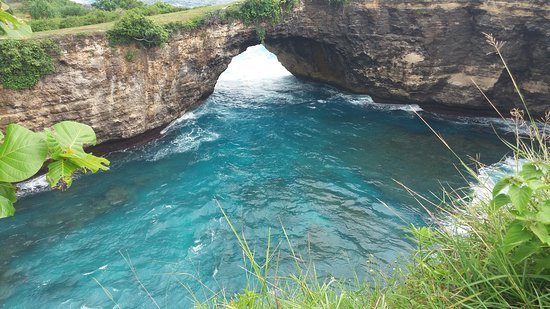
- Sunrise or sunset boat trips to nearby islands like Nusa Lembongan for snorkelling.
- A visit to a local healer or traditional purification ceremony if you seek deeper cultural immersion.
Bali in seven days is a generous taster: savour beach sunsets in the south, slow down among Ubud’s rice terraces, and immerse yourself in temple rituals. With a balanced plan and a relaxed pace, you’ll leave with lasting memories of the island’s natural beauty and warm hospitality.