Arriving in Guwahati by Train: Getting to Shillong and Beyond
Arriving at Guwahati by train is the most common gateway to Meghalaya. This guide explains how to transfer from Guwahati stations to Shillong, practical travel tips, transport options, road conditions, sights en route, and onward plans into the Seven Sisters region.
By TravMe Holidays travel team · · Updated · 7 min read
Guwahati is the rail gateway to the northeastern states of India. For most travellers heading to Shillong and the surrounding Meghalaya hills, arriving at Guwahati Railway Station is the practical starting point. This guide covers getting off the train, onward transport choices to Shillong, what to expect on the road, essential travel tips, and ideas for exploring beyond Shillong into the wider Seven Sisters region.
Which Guwahati station will you arrive at?
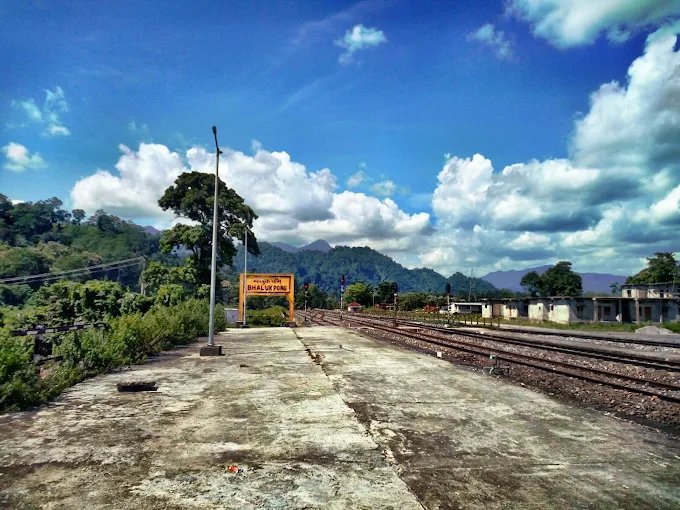
Most long-distance trains stop at Guwahati Railway Station (station code: GHY). A few trains call at other nearby stations—Dispur or Kamakhya (KYQ) are used by some services—but Guwahati Railway Station handles the bulk of arrivals and has the most facilities for arriving passengers.
On arrival, take time to collect luggage, refresh if needed, and confirm onward plans before leaving the station. The station precinct has pre-paid taxi counters, auto-rickshaw stands, luggage trolleys and basic food outlets. If you prefer, many hotels offer paid airport-style pickups; check your booking.
Primary options to reach Shillong from Guwahati
The road from Guwahati to Shillong is the most common and convenient link. Shillong lies roughly 100–110 km from central Guwahati, and depending on traffic and road conditions, the journey typically takes between 3 and 4.5 hours.
1. Shared taxis and shared jeeps
Shared taxis (sumos, Innova-style vehicles) depart from Paltan Bazar in central Guwahati. They are economical and popular with both locals and travellers. Shared jeeps also run the route but may be less comfortable for long luggage. These vehicles leave once full, so departure times can vary.
2. Private taxi
If you prefer door-to-door comfort, hire a private taxi. You can book a prepaid taxi at the station counter, arrange one through a hotel, or use local taxi apps where available. A private taxi allows en route stops at Umiam Lake, viewpoints or small villages.
3. Bus services
State-run and private buses connect Guwahati to Shillong. Buses depart from Paltan Bazar and the GSRTC bus stand. Some are ordinary buses while others are intercity or deluxe services. Buses are cheaper but slower and can be crowded—suitable if you travel light and are on a budget.
4. Car rental and self-drive
Self-drive options exist with national and local rental companies, though driving in the Northeast has its own challenges (winding roads, varying road surface, and sometimes limited signage). Ensure your rental agreement allows inter-district travel, and be comfortable with mountain driving before choosing this option.
Route overview and road conditions
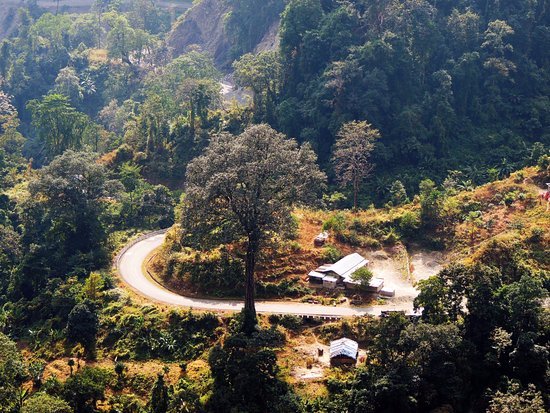
The most common route runs via National/State highways that connect Guwahati to Shillong through leafy hills and valley stretches. The first major landmark en route is Umiam Lake (Barapani), a scenic reservoir that many travellers stop at for photos and refreshments.
The stretch between Guwahati and Shillong includes single-lane and double-lane sections. During the monsoon months roads can be affected by landslides or localized flooding—always check local conditions before travel and allow extra time. Night driving is generally not recommended for first-time visitors because of sharp bends and limited lighting on some stretches.
Practical tips for the journey
- Carry ID: Keep original ID (Aadhaar, passport, voter card) with you. Authorities in the Northeast may ask for identification during travel.
- Book in advance if possible: If arriving late evening or during peak season, pre-book a taxi or hotel transfer to avoid waiting for shared transport.
- Pack for changeable weather: Meghalaya’s weather can change quickly—carry a light rain jacket and a warm layer even in summer.
- Luggage considerations: Shared vehicles have limited space; if you have bulky luggage, opt for a private taxi or bus with luggage compartments.
- Cash and connectivity: Smaller vendors may prefer cash; while mobile networks are decent on the main route, connectivity can be patchy in some hilly stretches.
- Respect local rules: Some areas have local customs or community-managed zones—behave respectfully and ask before taking photographs of people or private property.
Stops and sights between Guwahati and Shillong
Although it’s possible to reach Shillong in around three hours without stops, the route has several attractions worth a short detour.
- Umiam Lake (Barapani): A wide reservoir set against rolling hills. Ideal for a tea break, photos, or waterside refreshments.
- Wards Lake and viewpoints in Shillong: Once in the city, Wards Lake is a short, pleasant walk while Shillong Peak offers a panoramic view of the hills and valley.
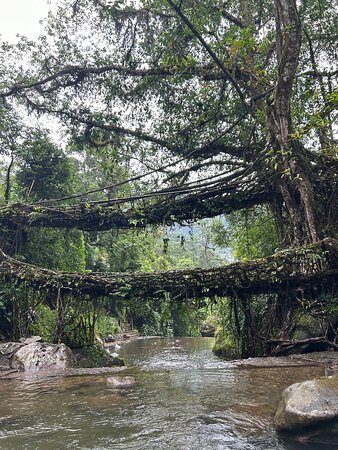
- Mawphlang/Cherapunji routes: From Shillong you can branch off towards Cherrapunji (Sohra), famous for waterfalls and living root bridges, or Mawphlang for sacred groves.
Where to get local transport in Shillong
Paltan Bazaar is Shillong’s transport and commercial hub. You will find shared taxis, local buses and private taxis here. If your accommodation is in Police Bazaar or near the lake, most places are a short taxi ride or a rickshaw away.
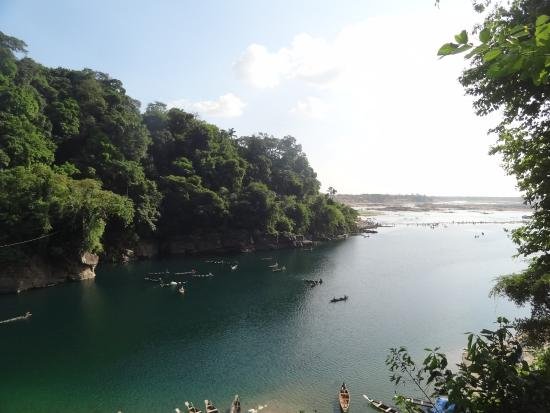
For day trips, negotiate return fares in advance for shared vehicles, or book a private vehicle if you want flexibility for multiple stops. Local tour operators in Shillong offer day tours to popular spots like Cherrapunji, Dawki, and Mawlynnong.
Onward travel into the Seven Sisters region
The term Seven Sisters commonly refers to the seven northeastern states: Arunachal Pradesh, Assam, Manipur, Meghalaya, Mizoram, Nagaland and Tripura. Shillong is an excellent base for exploring Meghalaya and is also a practical transit point for journeys into neighbouring states.
Key considerations if you plan to travel further:
- Inter-state transport: Regular bus and shared taxi connections link Shillong and Guwahati with towns across Assam and to neighbouring state junctions. For longer trips to capitals like Aizawl (Mizoram) or Kohima (Nagaland), plan multi-leg travel and check seasonal road conditions.
- Permits: Regulations for travel in some parts of the Northeast can vary. Certain districts or tribal areas may require permits for India residents or foreign nationals. Check the latest guidelines from official sources before you go.
- Flights: Guwahati’s Lokpriya Gopinath Bordoloi International Airport is the main air hub for the region. For long-distance travel across the Seven Sisters, flying from Guwahati can save time.
- Travel time expectations: Distances between capitals in the Northeast often take longer than mainland India travel of the same kilometreage because of mountain roads—factor in more time for each leg.
Tip: If you have only a short window, consider staying a night in Shillong to acclimatise and enjoy the city’s cafés and markets before taking longer trips into Meghalaya or other northeastern states.
Safety, health and cultural notes
The Northeast is generally welcoming and safe for travellers, but a few common-sense measures help ensure a smooth trip:
- Carry a first-aid kit and any routine medicines. If you require prescription drugs, carry a copy of your prescription.
- Inform your accommodation of your arrival time. Many hotels provide late-check-in assistance.
- Keep someone informed of your travel route when heading into remote areas—mobile coverage can be limited outside major towns.
- Be mindful of the pace of travel in hilly terrain; allow extra time for breaks and expect winding roads.
Sample itinerary ideas starting from Guwahati arrival
- Quick transfer: Arrive Guwahati in the morning, take a private taxi to Shillong, check into your hotel, and explore local sights—Wards Lake, Police Bazaar, and Shillong Peak.
- Leisure pace: Arrive late afternoon in Guwahati, overnight there, and travel to Shillong the next morning with a stop at Umiam Lake en route.
- Meghalaya exploration: From Shillong, plan a 2–3 day circuit including Cherrapunji (Sohra), Mawsynram area, Dawki and Mawlynnong village for waterfalls, caves and living root bridges.
- Broader Seven Sisters trip: Use Guwahati as a hub—fly or take trains/buses to other state capitals following checked itineraries and permit requirements.
Packing checklist for the Guwahati–Shillong journey
- Photocopies of ID and travel documents
- Light rain jacket and an extra warm layer
- Comfortable shoes for short hikes and walking around town
- Portable charger and any necessary adaptors
- Reusable water bottle and snacks for the road
- Small torch or headlamp if you expect late arrivals or will trek to remote spots
Final pointers before you board the train
Check your train arrival time, allow time for disembarkation and to collect any e-luggage, and have a rough plan for the next leg of the journey. If you prefer to reduce hassle after a long train ride, pre-booking a private taxi or arranging a hotel pickup can make the transition from rail to road effortless.
Travelling from Guwahati to Shillong is scenic and straightforward when planned with a few practical precautions. Whether you choose the economy of a shared taxi, the comfort of a private cab, or the local feel of a bus, the hills of Meghalaya welcome you with misty vistas, cascading waterfalls and warm hospitality.
Safe travels—enjoy the clouds, the driving views, and the fresh hill air as you head toward Shillong and beyond into the Seven Sisters.