Andaman in Winter: Why November to February Is So Popular
Plan your winter escape to the Andaman Islands: clear skies, calm seas and superb visibility from November to February make this the best time for beaches, diving and island-hopping. Practical tips and sample itineraries included.
By TravMe Holidays travel team · · Updated · 5 min read
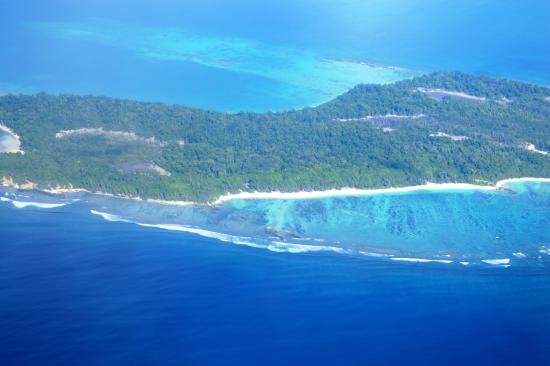
The Andaman Islands transform into a tropical paradise between November and February. With dry weather, gentle seas and comfortable temperatures, this is the time when beaches look their bluest, corals are easiest to see and outdoor activities are at their best. Whether you are an adventure seeker, a family planning a relaxed holiday or a couple craving sunsets, winter in Andaman offers a compelling mix of nature, water sports and quiet island life.
Why November to February is the ideal season
Several climatic and practical factors make winter the busiest and most pleasant time to visit the Andamans:
- Dry, stable weather: The south-west monsoon is over and the heavy rains recede, leaving mostly clear skies and low humidity compared with the preceding months.
- Calm seas: The ocean is generally calmer, with reduced swells. That means smoother boat rides, safer transfers between islands and excellent conditions for snorkelling, scuba diving and glass-bottom boat trips.
- Visibility for diving and snorkelling: Underwater visibility peaks in these months, often revealing vibrant corals, reef fish and turtles within a few metres of the surface.
- Comfortable temperatures: Daytime highs are warm but not stifling, while evenings are pleasant—ideal for beach walks and dining outdoors.
Best islands and activities in winter
The Andaman archipelago has many islands, each offering something different. During winter you can plan a mix of water activities and land-based exploration.
Havelock (Swaraj Dweep)
Havelock is a favourite for white-sand beaches and world-class dive sites. Radhanagar Beach—often named among Asia’s best—is perfect for sunset walks. Winter's calm waters make it easy to snorkel from the shore or join day dives to see colourful reefs and reef sharks.
Neil Island (Shaheed Dweep)
Neil Island has a relaxed vibe with coral suits and shallow reefs close to the beaches. It is ideal for couples and families seeking quieter beaches, and winter ensures the best water clarity for spotting marine life.
Ross Island and North Bay
Close to Port Blair, these islands are excellent for short trips. North Bay is popular for snorkelling and glass-bottom boat rides, while Ross Island offers colonial ruins and easy walking trails in pleasant weather.
Baratang and Limestone Caves
Winter is a good time to visit Baratang for its mangrove creeks and limestone caves. The roads and boat transfers are more reliable during the dry season.
Scuba diving and snorkelling
Winter diving is often the best of the year. Expect improved visibility, calmer dive sites and higher chances of seeing manta rays, turtles and larger pelagics, depending on location. Shore dives are also feasible at many beaches.
Sample 5–7 day winter itineraries
Choose an itinerary based on interests—whether you prioritise diving, beaches or easy island-hopping.
5-day relaxed beach holiday
- Day 1: Arrive Port Blair, Cellular Jail visit and light-and-sound show.
- Day 2: Transfer to Havelock, relax at Radhanagar Beach.
- Day 3: Snorkel or dive; evening at Beach No. 7 (Vijaynagar).
- Day 4: Morning at Elephant Beach; return to Port Blair by evening.
- Day 5: Ross Island and departure.
7-day dive-focused itinerary
- Day 1: Arrive Port Blair, brief city tour.
- Day 2–3: Transfer to Havelock for two days of diving or PADI courses.
- Day 4: Day trip to Neil Island for reef dives and relaxed evening.
- Day 5: Return to Port Blair; visit Corbyn's Cove.
- Day 6: Day trip to North Bay and Ross Island.
- Day 7: Departure.
Practical travel tips for winter visitors
- Book transfers and accommodation early: This is peak season. Ferries, seaplanes and hotels fill up quickly, so reserve well in advance, especially if you have specific dive slots in mind.
- Permits and ID: Indian nationals should carry valid government photo ID. Foreign nationals require Restricted Area Permits (RAP), often issued electronically—check the official process well before travel.
- Packing essentials: Lightweight cotton clothes, a light sweater for evenings, reef-safe sunscreen, a hat, polarized sunglasses, water shoes for rocky beaches, and reef-safe swimwear. If you plan to dive, bring a dive log and certification card.
- Health and safety: Carry basic medication, insect repellent and a small first-aid kit. Tap water is not drinkable everywhere; prefer bottled or boiled water. If you have specific medical conditions, carry enough medicines for the journey and copies of prescriptions.
- Connectivity and money: Mobile signals vary between islands; plan offline maps or a local SIM if you need consistent connectivity. ATMs are scarce outside Port Blair and Havelock—carry sufficient cash.
Tip: Choose reef-safe sunscreen and avoid touching corals. Responsible tourism helps preserve the islands for future visitors.
Festivals and local experiences in winter
Winter coincides with several local events and cultural experiences. You may find small festivals, craft markets and seafood festivals in Port Blair and other islands. Winter evenings are perfect for trying local Andamanese and Indian seafood cuisine, beachside barbecues and relaxed cafés that open up during the tourist season.
Environmental considerations and responsible travel
The Andamans are ecologically sensitive—mangroves, coral reefs and unique flora and fauna need protection. As a conscious traveller:
- Use reef-safe sunscreen and avoid stepping on or touching corals.
- Respect wildlife—do not feed or chase animals, including birds and turtles.
- Carry reusable water bottles and refuse single-use plastics where possible.
- Follow local guidelines on beach cleanliness and protected areas.
When to avoid travelling
While winter is the peak season, avoid the monsoon months (roughly June to September) when heavy rains and rough seas disrupt travel. Also, some remote islands have restricted access year-round; check permit requirements and seasonal closures for specific conservation zones or military areas.
Final planning checklist
- Confirm ferry or seaplane bookings and exact timings; expect occasional schedule changes.
- Carry valid ID and, if applicable, your RAP/e-permit confirmations.
- Book dive trips and water activities in advance during November–February.
- Pack reef-safe sunscreen, a basic medical kit, and comfortable footwear for sand and rocky shores.
- Plan cash withdrawals and emergency contacts; keep photocopies of important documents.
Conclusion
Visiting the Andaman Islands between November and February gives you the best chance of experiencing calm seas, sunny days and remarkable underwater visibility. Whether you want to dive among coral gardens, unwind on powdery beaches or explore colonial ruins and mangrove creeks, winter provides a dependable window for near-guaranteed good weather and unforgettable island memories. Plan early, travel responsibly and savour the slow pace of island life.