Havelock Island Travel Guide: Beaches, Activities and Stays
A practical, local-friendly guide to Havelock Island covering top beaches, water activities, accommodation options, how to reach, best time to visit and essential travel tips for a smooth Andaman trip.
By TravMe Holidays travel team · · Updated · 7 min read
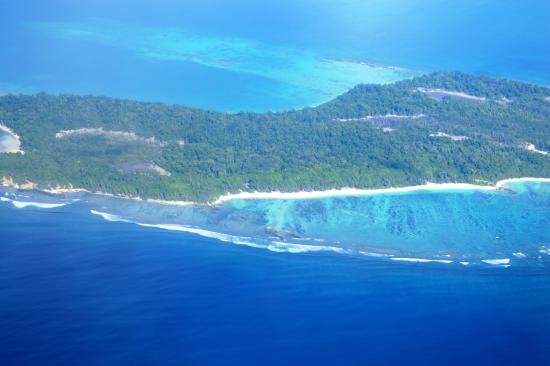
Havelock Island (Swaraj Dweep) is the crown jewel of India's Andaman archipelago: powdery white beaches, clear blue waters, vibrant coral life and a relaxed island vibe. This guide helps you plan your stay with practical tips on beaches, activities, stays, transport and responsible travel so you make the most of your Havelock getaway.
Quick overview
Havelock Island is one of the most visited islands in the Andaman & Nicobar group. It is best known for its beaches—especially Radhanagar Beach—and is a hub for water sports such as scuba diving and snorkelling. The island has a mix of budget guesthouses, mid-range resorts and a growing number of eco-friendly stays. Infrastructure has improved over the years, but it still retains a laid-back pace that makes it ideal for relaxation and nature-based activities.
How to reach Havelock Island
By air and ferry
Most travellers fly into Port Blair, the capital of the Andaman & Nicobar Islands. From Port Blair, regular government ferries and private cruise operators run to Havelock Island. Ferry schedules vary seasonally; book ferry tickets in advance, especially in peak season. The crossing takes a couple of hours on a conventional ferry and significantly less on high-speed services. Ferries arrive at Havelock’s main jetty near the island’s central settlement.
Permits and entry requirements
Indian nationals generally need to carry valid photo ID; foreign nationals should ensure they have valid travel documents and follow any current permit requirements. Check the latest guidelines from local authorities or your travel agent before departure, as rules can change.
Best time to visit
The ideal time to visit Havelock is between October and May when the sea is calm and visibility for scuba and snorkelling is at its best. Monsoon months (June–September) bring heavy rains and rough seas, leading to limited ferry services and many water activities being suspended. Shoulder months are quieter but keep an eye on weather forecasts for cancellations.
Top beaches on Havelock Island
Radhanagar (Beach No. 7)
Often cited as one of Asia’s best beaches, Radhanagar is famous for its broad stretch of white sand, gentle surf and spectacular sunsets. The beach is ideal for morning walks, sunset photography and relaxed picnics. Facilities are basic but improving; lifeguards may be present depending on the season.
Elephant Beach
Elephant Beach is popular for snorkelling and glass-bottom boat rides. The coral reef starts close to the shore and marine life is abundant, making it a great spot for beginners and families. The beach can be accessed by a short trek through the forest or by boat from the main village.
Kalapathar Beach
Kalapathar is a quieter, more rugged beach with striking black rocks and clear water. It’s a good choice for those seeking solitude, beachcombing and shoreline photography. The sand area is smaller than Radhanagar but the natural setting feels more untouched.
Vijaynagar Beach and Little Andaman vibes
Vijaynagar has a local, low-key feel. Nearby smaller coves and sandbars give you a sense of island life. These beaches are less crowded and are pleasant for strolling and relaxing.
Water activities and marine experiences
Scuba diving
Havelock is the diving capital of the Andamans. Dive shops here offer a range of courses—from Discover Scuba Dives for beginners to advanced certification levels. Dive sites around the island feature coral gardens, swim-throughs and colourful reef fish. Always choose a dive operator with good safety records, certified instructors and well-maintained gear.
Snorkelling and glass-bottom boats
Snorkelling at Elephant Beach and other shallow reef sites is accessible even for first-timers. Guided snorkel trips usually include basic gear, a short briefing and supervised reef swim sessions. Glass-bottom boat trips are a convenient alternative for non-swimmers to view corals.
Kayaking, paddleboarding and sea walks
Many resorts and activity operators offer kayaking and paddleboarding to explore calmer bays and mangrove-lined creeks. Sea walking—walking on the sea floor in a helmet—may be available at some operators; this lets you see marine life up close without scuba training.
Where to stay: choosing the right base
Accommodation on Havelock ranges from budget guesthouses and backpacker dorms to boutique resorts and eco-friendly villas. Your ideal base depends on priorities:
- Budget: Guesthouses and homestays in the main village are affordable, social and well-located for eateries and shops.
- Comfortable mid-range: Beach-facing hotels near Radhanagar or central Havelock offer air-conditioned rooms, meals and activity desks.
- Luxury and eco-lodges: Resorts provide private beach access, in-house dive centres and holistic facilities, and some prioritise sustainability with solar power and waste management practices.
Book early during peak season and look for stays that support responsible tourism if conservation is important to you.
Getting around Havelock Island
Havelock is small but spread out. Options for local transport include:
- Shared jeeps and taxis: Quick and convenient for reaching beaches and resorts from the jetty.
- Motorbikes and scooters: The most popular DIY option—rentals are widely available. Drive carefully, watch for pedestrians and wildlife, and carry a valid driving licence.
- Bicycles: Suitable for short distances and gentle exploration in and around the central village.
- Walking: Many attractions are within walking distance if you stay centrally, but distances to beaches like Radhanagar may require transport.
Food and dining
Havelock’s dining scene is diverse with beach cafes, seafood shacks and small restaurants serving Indian, South Indian, Chinese and continental dishes. Fresh seafood is a highlight: fish, prawns and crab are often available. Vegetarian options are widely served, including thalis and South Indian staples. Try local snacks and tropical fruits for a simple and refreshing island meal.
Responsible travel and conservation
Havelock’s natural environment is fragile. Practise responsible travel:
- Do not touch or step on coral reefs; use reef-safe sunscreen.
- Avoid single-use plastics; carry a reusable bottle and bag.
- Follow marked paths, avoid disturbing nesting areas and respect local wildlife.
- Choose eco-conscious operators for diving and tours.
- Dispose of waste at designated collection points or hand it back to hotels for disposal.
Safety and health tips
Generally Havelock is safe for travellers, but take common-sense precautions. Keep copies of travel documents, avoid isolated areas after dark, and secure valuables. For health, carry insect repellent, basic first-aid items and any personal medication. Stay hydrated, use sun protection and be cautious when swimming—follow local advice about currents and lifeguard warnings.
Packed essentials for Havelock
- Light, breathable clothing and swimwear
- Reef-safe sunscreen, hat and sunglasses
- Flip-flops and water shoes for rocky shores
- Reusable water bottle and daypack
- Basic snorkelling gear if you prefer to use your own
- Valid ID, travel documents and small cash (card acceptance varies)
Sample itinerary ideas
Plan 3–5 days on Havelock to enjoy a relaxed pace with time for diving or snorkelling and beach days. A sample short itinerary:
- Day 1: Arrive from Port Blair, settle in and watch sunset at Radhanagar.
- Day 2: Scuba diving or snorkelling trip; evening stroll in the market area.
- Day 3: Boat trip to Elephant Beach or a kayak expedition; optional beach picnic.
- Day 4: Explore Kalapathar and lesser-known coves; departure to Port Blair in the evening or next morning.
Practical tips and local customs
- Respect local sensibilities—dress modestly when away from beaches and in villages.
- Electricity and internet can be intermittent; download maps and bookings offline as backup.
- Carry small denominations of cash for local shops and tipping guides.
- Be punctual for ferry departures and check annoucements; boat schedules may change due to weather.
Tip: Book diving and popular activities in advance during peak months and inquire about group sizes and safety standards before confirming.
Nearby excursions
From Havelock you can arrange day trips to neighbouring islands and dive sites. Many travellers combine Havelock with Neil Island for a quieter, tree-lined experience, or extend their trip to Port Blair to visit historical sites and museums. Boat logistics vary, so coordinate timings carefully to avoid missed connections.
Havelock Island is a destination for both thrill-seekers and slow-travel lovers: whether you dive among colourful reefs, stand on perfect white sand at sunset or simply sip chai at a beachfront shack, the island’s rhythm invites you to unwind and explore responsibly.
Conclusion: With its spectacular beaches, world-class underwater experiences and evolving hospitality options, Havelock is an ideal island escape in the Andamans. Plan ahead for ferries and diving slots, respect the delicate environment and allow enough time to soak in the calm—this is an island best enjoyed slowly.