8-Day Uttar Pradesh Pilgrimage Itinerary Across Its Holy Cities
An 8-day guided pilgrimage through Uttar Pradesh’s sacred cities — Varanasi, Sarnath, Prayagraj, Ayodhya, Mathura-Vrindavan, Chitrakoot and Lucknow — with practical tips, travel logistics and daily plans.
By TravMe Holidays travel team · · Updated · 6 min read
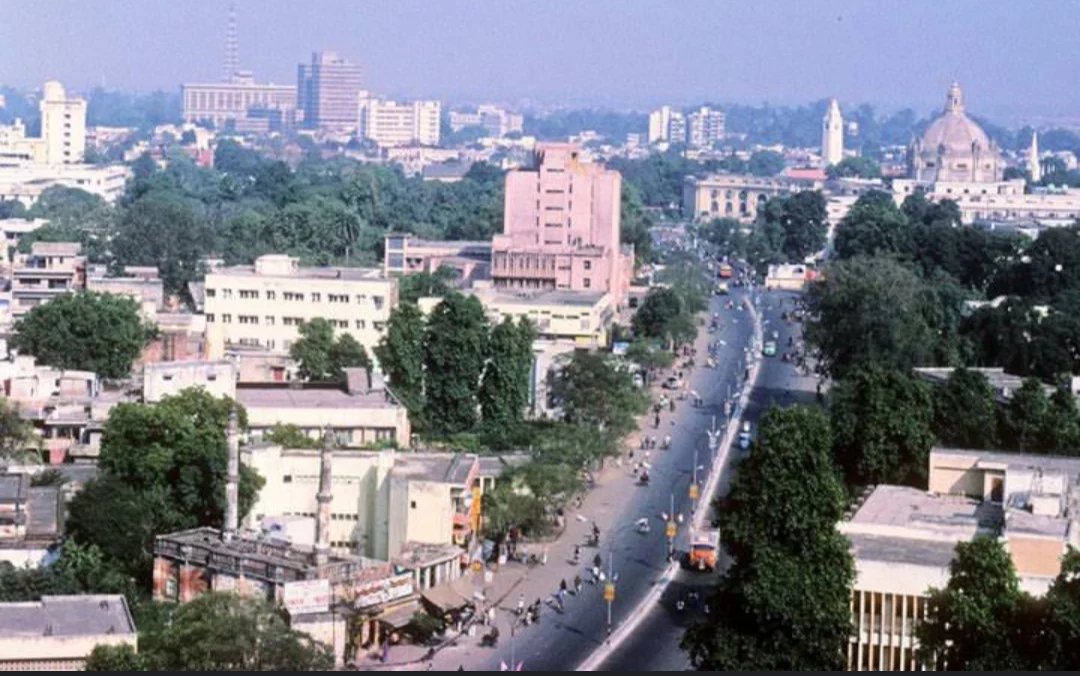
Uttar Pradesh is a tapestry of faith, history and living traditions. This 8-day pilgrimage itinerary links the state’s most revered shrines and spiritual hubs—allowing you to experience sacred rituals, ancient temples, riverside aartis and quiet meditation spots while keeping travel time practical and comfortable.
Overview and practical planning
This itinerary assumes arrival by train or flight into Varanasi or Lucknow and uses a mix of private car, trains and short transfers. Distances in UP can be longer than they look on the map; plan realistic travel windows and keep a flexible mindset. Best months: October to March for pleasant weather; avoid peak summer months if possible. Carry modest clothing suitable for temples, a reusable water bottle, basic medicines and comfortable footwear.
How to travel between cities
- Private car: Most convenient for door-to-door transfers and early-morning temple runs.
- Trains: Reliable for main routes like Varanasi–Prayagraj and Lucknow–Ayodhya; book in advance.
- Flights: Lucknow and Varanasi have airports; domestic flights can save time if you’re short on days.
Day-by-day itinerary
Day 1 — Varanasi: Arrival and evening Ganga aarti
Arrive in Varanasi and settle into a haveli-style hotel near the ghats if possible. Spend the afternoon walking through the old city lanes, visiting Kashi Vishwanath Temple if time permits (expect queues and simple security checks). In the evening, witness the Ganga aarti from Dashashwamedh Ghat or a boat on the river — a moving ritual of lights, mantras and conch shells.
Day 2 — Varanasi: Dawn boat ride and Sarnath
Start before sunrise with a boat ride along the Ganga to watch morning rituals and the city wake up. Later, visit the ghats, the narrow lanes, and the Tibetan and silk markets. In the afternoon, drive 10–15 km to Sarnath, where the Buddha gave his first sermon. Explore the Dhamek Stupa, Archaeological Museum and calm sangha grounds. Return to Varanasi for an evening at leisure.
Day 3 — Prayagraj (Allahabad): Triveni Sangam and temples
Drive or take an early train to Prayagraj. The city holds the Triveni Sangam, the confluence of the Ganga, Yamuna and the mythical Saraswati — a major spot for ritual bathing and prayer. Visit the sangam ghats, Hanuman Temple, and Anand Bhavan for a cultural interlude. If your visit coincides with a religious fair or aarti timings, plan to arrive early to avoid crowds.
Day 4 — Ayodhya: Ramayanic heritage and pilgrimage
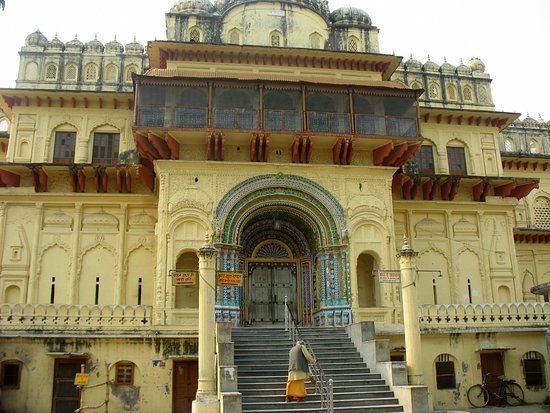
Travel to Ayodhya, the birthplace of Lord Rama. Begin with the Ram Janmabhoomi complex and nearby temples, then stroll along the Sarayu River ghats where devotees perform rites. Explore local temples like Kanak Bhawan and Hanuman Garhi. Evening arti on the Sarayu is peaceful and deeply rooted in local devotion.
Day 5 — Mathura: Birthplace of Krishna
Head to Mathura, the sacred birthplace of Lord Krishna. Start at Krishna Janmabhoomi Temple, then visit nearby shrines and museums that narrate Krishna’s life. Mathura’s evening aartis in the old city and the temple markets create an immersive devotional atmosphere. If time allows, stop at nearby Govardhan Hill, which is important in Krishna lore.
Day 6 — Vrindavan: Bhakti and temples
Spend a full day in Vrindavan, a short drive from Mathura and one of North India’s central bhakti hubs. Visit ISKCON Temple, Banke Bihari Temple, Radha Raman and other sacred sites. Vrindavan’s lanes are dotted with temples and bhajan sessions; try to be present for a kirtan or satsang. Return to Mathura or stay overnight in Vrindavan for a quieter evening.
Day 7 — Chitrakoot: Ramayana footsteps and spiritual solitude
Travel south-west to Chitrakoot, a serene pilgrimage town associated with Lord Rama’s exile. Explore Ram Ghat on the Mandakini River, Bharat Milap temple, and the calm natural surroundings ideal for contemplation. Chitrakoot is less crowded and offers a slower rhythm—perfect for reflective walks and simple ashram stays.
Day 8 — Lucknow: Cultural and spiritual wrap-up
Conclude the pilgrimage in Lucknow, the state capital. While not strictly a pilgrimage site like Varanasi or Ayodhya, Lucknow offers historic Imambaras, Shia rituals and syncretic cultural sites that enrich spiritual understanding. Visit Bara Imambara, Chota Imambara, and Hussainabad areas. Enjoy a final evening sampling Awadhi flavours and reflecting on the journey.
Temple etiquette and pilgrimage tips
- Dress conservatively: Cover shoulders and knees; carry a scarf or shawl for quick cover-ups.
- Shoes: Leave footwear outside temple precincts and carry a small bag for safekeeping.
- Photography: Ask permission; many inner sanctums prohibit photography entirely.
- Offerings and prasad: Buy from temple-run stalls or local shops; avoid offering money directly to priests unless officiating a ritual.
- Respect rituals: Refrain from interrupting aarti, bhajan or puja; observe silently or join respectfully if invited.
Where to stay and food tips
Accommodation ranges from pilgrim dharamshalas and simple guesthouses to heritage hotels and comfortable mid-range properties. Near major ghats and temple clusters you will find more options, but book ahead in festival seasons.
Food in UP is diverse: from sattvic temple prasad and simple vegetarian thalis to rich Awadhi cuisine in Lucknow. If you prefer vegetarian food during the pilgrimage, you will find plenty of choices in all holy towns. Try local sweets like pedas in Mathura and street snacks near Varanasi’s lanes, but opt for bottled or filtered water.
Safety, health and responsible travel
- Hydration and food safety: Drink clean water, avoid uncooked salads if unsure, and prefer freshly cooked food from busy stalls.
- Crowds and timings: Sacred sites get crowded during mornings and evenings; plan temple visits during off-peak hours for a calmer experience.
- Local customs: Be mindful of gendered spaces inside some temples and follow signage and priestly guidance.
- Responsible photography: Respect devotees’ privacy and avoid commercialising religious practices. If you plan to photograph rituals, ask first.
Tip: Build small pauses into your schedule. A few quiet hours by a river or in a temple courtyard often become the most memorable part of a pilgrimage.
Optional additions and variations
If you have more than eight days or specific devotional interests, consider these extensions:
- Spend extra time in Varanasi exploring classical music and Ganga-side walks.
- Include a stop at Naimisharanya, an ancient Vedic learning site for those interested in scriptural traditions.
- For a deeper Ramayana trail, add stops in neighbouring Madhya Pradesh or Bihar that connect to the epic’s geography.
Final notes
This 8-day Uttar Pradesh pilgrimage balances well-known shrines with quieter spiritual spaces. It gives you enough time in each place to encounter local devotion, learn temple etiquettes and absorb centuries-old traditions without being perpetually on the move. Keep an open heart, allow for unplanned stops, and let the rhythm of each city guide your experience.
Wishing you a meaningful and restorative journey across the holy cities of Uttar Pradesh.