3-Day Mathura and Vrindavan Itinerary for Krishna Devotees
A focused 3-day Mathura and Vrindavan itinerary for Krishna devotees, covering must-visit temples, aarti timings, local experiences, travel tips and practical advice to make the pilgrimage smooth and soulful.
By TravMe Holidays travel team · · Updated · 6 min read
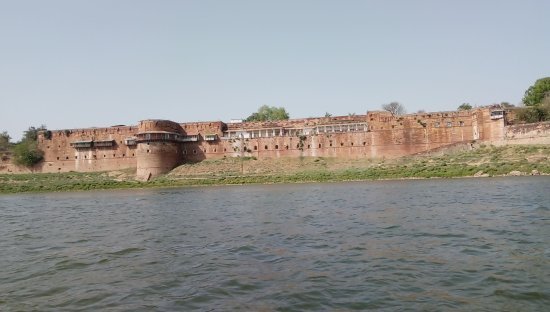
Mathura and Vrindavan are the heartlands of Krishna bhakti — a compact 3-day itinerary lets you experience sunrise darshan at the river Yamuna, soulful aartis, historic temples and the rustic charm of Braj. This guide balances devotion, exploration and practical travel tips for a meaningful pilgrimage.
Before You Go: Planning Essentials
Mathura and Vrindavan are only a short distance apart, but they are rich in temples, rituals and crowds — especially during festivals. Pack light, keep accommodation booked in advance during weekends and festival periods, and be prepared for early mornings and walking on uneven lanes. Respect local customs: dress modestly, remove footwear where required and ask before taking photographs inside temples.
Best Time to Visit
- October to March: Pleasant weather, ideal for early morning darshan and walking tours.
- Holi (March) and Janmashtami (August–September, lunar calendar): Most vibrant but very crowded; book ahead if you want to experience festival fervour.
How to Reach
Mathura is well-connected by rail and road. The nearest major airport is in Agra or Delhi; from there you can take a train or drive. Vrindavan is about 15–20 km from Mathura and easily reachable by local transport or private taxi.
Day 1: Mathura — Birthplace of Krishna
Start your pilgrimage in Mathura, the traditional birthplace of Lord Krishna. Dedicate your first day to the main temples and the sacred ghats along the Yamuna.
Morning: Dwarkadhish Temple and Sri Krishna Janmabhoomi
- Arrive early to witness the morning aarti at Dwarkadhish Temple — the atmosphere is devotional and packed with rhythmic chants and bells.
- Visit Sri Krishna Janmabhoomi, the archaeological and religious complex marking Krishna’s birthplace. Spend time walking through the shrines and sanctums; guided interpretation will enrich your understanding of the site’s layered history.
Midday: Local Walks and Lunch
Explore the narrow bazaars near the temple for prasad, rose petals and traditional sweets. Choose a clean vegetarian eatery for a simple thali. Avoid heavy meals before an evening aarti to keep energy for long queues and rituals.
Evening: Yamuna Aarti and Vishram Ghat
- Head to Vishram Ghat for the evening Yamuna aarti. The sight of oil lamps floating on the river and the sound of bhajans is very moving.
- Walk along the ghats post-aarti; the lit-up temples and the air filled with incense and flowers create a timeless ambience.
Day 2: Vrindavan — Lila of Krishna
Vrindavan, known for Krishna’s childhood pastimes (lilas), has more intimate, rustic temples and gardens. Devotees often spend whole days here, going from one sacred spot to another.
Early Morning: Banke Bihari Temple
- Begin before dawn to avoid long queues if you plan to enter the inner sanctum. The Banke Bihari Temple’s atmosphere is exuberant, with kirtans and swinging deities that capture the heart of Braj bhakti.
- Note that the temple follows specific darshan hours for different sections — check locally for the current schedule.
Morning: ISKCON and Radha Raman
- Visit the ISKCON temple for a calmer, well-organised bhajan and prasadam experience. The sanctum offers a serene contrast to the bustling local temples.
- Radha Raman Temple is one of the earliest and most revered shrines of Vrindavan. Take time to listen to the temple history and the stories of the deity.
Afternoon: Govind Devji and Banke Bihari Lane Walk
After lunch, stroll through the temples near Govind Devji. Vrindavan’s lanes are dotted with lesser-known but deeply devotional spots — do not rush. Stop, sit and absorb the bhakti culture in a courtyard or by a temple bell.
Evening: Raslila and Local Music
- If available, attend a Raslila performance or a kirtan session at one of the ashrams. These musical-dramatic presentations re-enact Krishna’s lilas and are powerful devotional experiences.
- Enjoy local sweets such as pedas and rabri, offered as prasad in many temples.
Day 3: Lesser-Known Sacred Spots and Cultural Immersion
Use your final day to visit quieter, out-of-the-way holy sites and to experience the local culture of Braj: music, cuisine and artisanship linked to Krishna’s lore.
Morning: Nidhivan and Seva Kunj
- Nidhivan and Seva Kunj are magical places associated with Krishna’s nightly pastimes. Many devotees prefer to visit early to feel the unique hush around these groves. Be mindful of temple rules and local beliefs regarding timing and behaviour in these areas.
Midday: Radha Kund and Shyam Kund
Take a short trip to Radha Kund and Shyam Kund — twin sacred ponds significant in Braj lore. The pilgrim experience here is reflective; many devotees perform parikrama or take ritual dips depending on tradition.
Afternoon: Crafts, Music and a Slow Meal
- Browse local shops for handicrafts, brassware and devotional music CDs. Support local artisans by buying authentic items rather than mass-produced souvenirs.
- Have a leisurely lunch at a place that serves home-style Braj cuisine — simple, sattvic preparations that complement the pilgrimage mood.
Practical Tips for Devotees
- Darshan etiquette: Dress modestly, keep a calm demeanour and follow temple instructions regarding footwear, offerings and photography.
- Early starts: Many temples have special morning rituals. Arrive early for a quieter, more personal experience.
- Hydration and comfort: Carry water, a small umbrella or hat, comfortable walking shoes and a light shawl for early mornings and temple floors.
- Prasad handling: Accept and consume prasad respectfully; if you plan to distribute prasad, use clean containers and follow temple guidelines.
- Local transport: Auto-rickshaws and cycle-rickshaws are convenient for short distances. For a more relaxed pace, hire a local taxi for the day.
Tip: If you have time, consider adding a quiet night stay in Vrindavan to attend late-night bhajans — many temples hold soulful sessions long after sunset.
Safety, Health and Responsible Travel
As with any pilgrimage, keep basic safety and health measures in mind. Avoid drinking tap water; use bottled or purified water for drinking and brushing. If you have mobility issues, plan routes and temple visits accordingly — some places have steps and limited accessibility. Be respectful of the local environment: avoid littering, use designated waste bins and minimise single-use plastics during your trip.
Packing Checklist
- Modest clothing (kurta, salwar, shawl or saree) for temple visits
- Comfortable walking shoes and a pair of socks
- Reusable water bottle, personal medicines and basic first-aid items
- Small offerings (flowers, incense) if you wish to present them at temples
- Portable phone charger and a compact umbrella
Where to Stay
Mathura and Vrindavan offer a range of accommodations from simple dharamshalas to comfortable hotels and guesthouses. For a devotional stay, choose a place close to the main temples to reduce travel time and to immerse yourself in the local rhythm of aartis and bhajans.
Final Thoughts
This 3-day Mathura and Vrindavan itinerary is crafted to balance the most essential darshans with quieter moments of reflection. Whether you come for festival excitement or a peaceful spiritual retreat, take time to absorb the stories, the music and the simple joys of Braj bhakti. Travel with an open heart — the experience of Krishna’s land often unfolds in small, unexpected moments.