3-Day Lucknow Itinerary: Nawabi Monuments, Food and Markets
A compact 3-day Lucknow itinerary that blends Nawabi monuments, iconic food experiences and bustling markets, with practical tips for a comfortable, culturally rich visit.
By TravMe Holidays travel team · · Updated · 6 min read
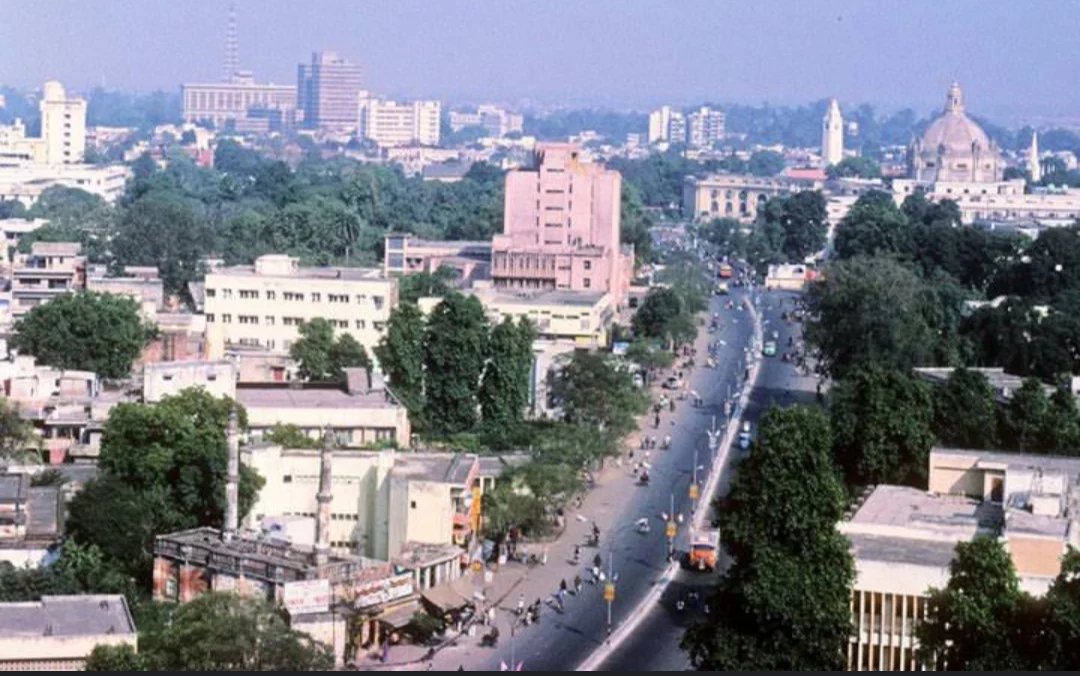
Lucknow, the capital of Uttar Pradesh, is a city that carries the gentle grandeur of the Nawabs in its architecture, language and cuisine. In three days you can savour the best monuments, sample legendary Awadhi food and lose yourself in vibrant bazaars. This itinerary balances history, flavour and relaxed exploration so you get an authentic taste of the city without rushing.
Before you go: practical tips and when to visit
Lucknow experiences hot summers and cool winters; the best months to visit are October to March when the climate is comfortable for sightseeing and wandering markets. Carry a light jacket for winter evenings and breathable clothing in summer. Uttar Pradesh follows Indian electrical standards, and most places accept cards and mobile payments, but small market vendors may prefer cash—keep some handy change.
For internal travel, app-based taxis, auto-rickshaws and cycle-rickshaws are convenient. Many monuments and old-city lanes are best explored on foot once you’re in the neighbourhood. Respect local customs—modest dressing is appreciated at religious sites.
Day 1 — Nawabi heart: Bara Imambara, Rumi Darwaza and the old city
Morning: Bara Imambara and Bhulbhulaiya
Begin at the Bara Imambara complex, the crown jewel of Lucknow’s Nawabi architecture. The central hall is vast and evocative; explore the arched corridors, lofty chambers and the famed Bhulbhulaiya (the labyrinth). Climbing through the maze is part adventure, part history — the view from higher passages gives a different perspective of the complex.
Late morning: Asafi Mosque and the architecture trail
Adjacent to the Imambara is the Asafi Mosque with its elegant domes and minarets. Walk the complex and look for the intricate stucco work and Persian-influenced motifs that reflect Lucknow’s syncretic aesthetic.
Afternoon: Rumi Darwaza and photo stops
Head to the Rumi Darwaza, the iconic gateway symbol of Lucknow. This imposing structure offers excellent photographic opportunities, especially in soft afternoon light. Nearby, explore the surrounding lanes to soak up the old-city ambience—vendors, small eateries and religious shrines give a sense of daily life.
Evening: Street food sampling in Aminabad
Aminabad is one of Lucknow’s busiest markets and a great place to begin your culinary journey. Sample chaat, kulfi and other street snacks from reputed stalls. Aminabad’s lanes also sell textiles, trinkets and local staples—perfect for a first taste of Lucknow’s market culture.
Day 2 — Elegant memorials, clock tower and leisurely dining
Morning: Chota Imambara and Husainabad area
Start at the Chota Imambara, known for its ornate interiors, chandeliers and ornate calligraphy. The Imamabara complex reflects the aesthetic refinement of the later Nawabs and is particularly impressive when sunlight filters through its decorated windows.
Late morning: Husainabad Clock Tower and adjacent gardens
Walk through the Husainabad quarter to see the Victorian-influenced clock tower and tidy gardens. This neighbourhood showcases the colonial-era architectural dialogue with Nawabi sensibilities.
Lunch: Awadhi dining experience
Dedicate lunch to an Awadhi meal—seek out establishments known for slow-cooked biryanis, kebabs and rich gravies. Try classic dishes such as Galouti kebab, Kakori kebab and a fragrant Awadhi biryani. If possible, look for restaurants that use the dum (slow-cooking) technique for an authentic taste.
Afternoon: British Residency and museums
Visit the British Residency, an evocative ruin and museum that recalls the 1857 events. The sprawling grounds and ruins are calm and reflective; interpretive plaques tell the historical narrative. Nearby museums and galleries may offer deeper context on Lucknow’s cultural evolution.
Evening: Hazratganj for shopping and dinner
Spend the evening in Hazratganj, the city’s central shopping arcade. This area blends colonial-era arcades with modern stores, eateries and cafés. It’s a good spot for souvenir shopping—look for chikankari (Lucknow’s signature embroidery), traditional garments and handcrafted items. Finish the day with a relaxed dinner at a sit-down restaurant where you can try kebabs, kormas or a rich dessert.
Day 3 — Markets, workshops and a relaxed cultural finish
Morning: Chowk and artisan trails
Dive into Chowk, the most historic market area. This is the place for traditional crafts—chikankari embroidery, zardozi, zari work and brassware. Many workshops allow curious visitors to observe artisans at work; this is a unique opportunity to see living craft traditions up close. Ask politely before photographing inside workrooms.
Late morning: Culinary workshops or home-style dining
If your schedule allows, join a short culinary demonstration or a home-style meal arranged by local cooks. Learning how kebabs are prepared or how certain gravies are spiced gives deeper appreciation of Lucknow’s food culture. Alternatively, continue sampling small bites from legendary vendors—seek recommendations locally to ensure authenticity.
Afternoon: Leisurely tea and parks
After a bustling morning, slow down with tea at a classic cafe or a shaded garden. Lucknow has several leafy pockets where you can unwind and review your highlights. Reflect on the architecture, flavours and encounters that shaped your visit.
Evening: Final feast and cultural performance
Cap off your trip with a memorable dinner—consider a multi-course Awadhi meal or a street-to-restaurant progression of kebabs, breads and desserts. If you can, attend a live performance of ghazals or qawwali; the city’s musical tradition pairs well with its poetic language and refined cuisine.
Tip: Carry a small notebook or phone notes for favourite shop names and dish recommendations; Lucknow’s markets are best navigated with local advice and a small memory of where you found that perfect embroidered dupatta or kebab stall.
Where to eat: signature dishes and recommended tasting order
Lucknow’s food is its soul. Plan tastings, not just full meals, so you can try more variety over three days. Key items to prioritise:
- Kebabs (Galouti, Kakori, Seekh): usually best in the evening or at specialty outlets.
- Awadhi Biryani: delicate, aromatic and slow-cooked—pair with raita or a light curry.
- Sheermal and roomali roti: breads that complement rich gravies and kebabs.
- Chaat and street snacks: for mid-morning and evening nibbles in Aminabad and Chowk.
- Traditional desserts: such as malai ki gilori, kulfi and rabri—perfect as sweet finishes.
Shopping highlights and bargaining tips
Look for chikankari embroidery, gota and zardozi work, brassware, perfume oils and traditional jewellery. When shopping in markets like Hazratganj, Aminabad and Chowk:
- Inspect craft quality—hand-stitched chikankari has subtle irregularities that machine-made pieces lack.
- Bargain respectfully; start lower than the asking price but avoid aggressive haggling.
- Ask about custom orders if you want tailored garments—many artisans accept work on commission.
- Carry small notes for quick purchases; change is appreciated by small vendors.
Getting around and accessibility
Major tourist spots are connected by good roads; app-based taxis are reliable for door-to-door travel. Auto-rickshaws are cheap and convenient for short distances but always agree on a fare or request metered service. Many historic sites involve uneven steps and courtyards—wear comfortable shoes and check accessibility if you require ramps or assistance.
Safety and cultural etiquette
Lucknow is generally safe for tourists who exercise common-sense precautions. Keep valuables secure, avoid isolated lanes late at night, and maintain courteous behaviour in religious sites. Learning a few Urdu or Hindi phrases—greeting with Adaab or Salam—goes a long way in establishing rapport with locals.
Variations and extensions
If you have extra time or want to tweak the plan:
- Add a village craft tour to see rural embroidery workshops outside the city.
- Spend additional time in museums or attend a cooking class to deepen culinary knowledge.
- Combine Lucknow with a short trip to nearby historic towns in Uttar Pradesh for a broader cultural experience.
Conclusion
Three days in Lucknow give you a balanced introduction to the city’s graceful monuments, timeless food culture and bustling markets. Move at a relaxed pace—soak in the architectural details, savour each dish and let the city’s gentle cadence set your tempo. With this itinerary you’ll leave with memorable meals, beautiful handicrafts and an appreciation for the Nawabi legacy that still colours everyday life in Uttar Pradesh’s charming capital.