2-Day Prayagraj Itinerary: Sangam, Forts and Heritage Homes
A compact 2-day Prayagraj itinerary covering the Sangam, historic forts, colonial and heritage homes, and local food — ideal for first-time visitors wanting a mix of pilgrimage, history and culture.
By TravMe Holidays travel team · · Updated · 6 min read
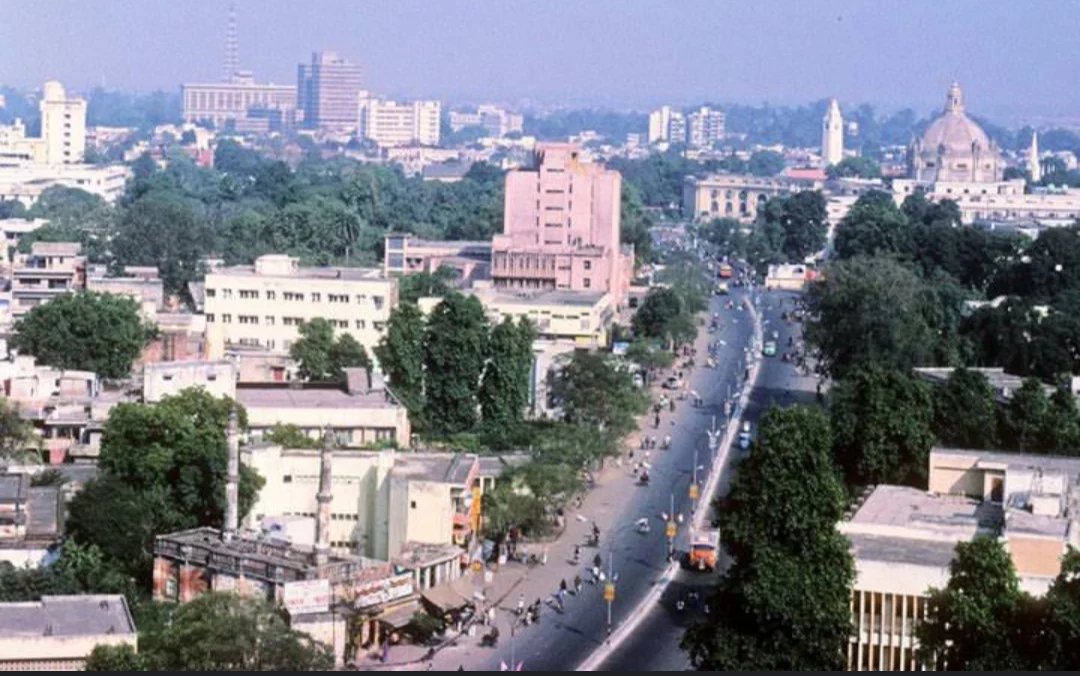
Prayagraj (formerly Allahabad) is a city where sacred rivers meet, history breathes through colonial mansions and Mughal forts stand sentinel over the Ganges. This 2-day itinerary is designed to help you experience the spiritual core at the Sangam, explore forts and gardens, and wander through heritage homes and bustling markets — all at a relaxed pace.
Before you go: practical tips
Prayagraj is well connected by rail and road to major North Indian cities. Travelling by train is a popular option; the city’s railway stations place you close to central attractions. If arriving by air, the nearest airport has onward taxi connections. Plan your visit to avoid major festivals if you prefer quieter sightseeing; conversely, visiting during the Kumbh Mela or Magh Mela offers an unforgettable but crowded and intense cultural experience.
Carry comfortable walking shoes, modest clothing for religious sites, sunscreen and a refillable water bottle. Summer months can be hot; early mornings and late afternoons are best for outdoor sightseeing. Always keep a copy of your ID when visiting temples and gurdwaras or boarding riverboats.
Day 1: Sangam, riverfront and temples
Morning — The Sangam and boat ride
Start early and head to the Sangam, where the Ganga, Yamuna and the mythical Saraswati converge. Dawn at the Sangam is atmospheric — the light on the river, chants from the ghats and the sight of pilgrims taking a sacred dip make for a memorable experience. Take a licensed boat ride from the riverfront to get the best view of the confluence and the ghats. Boatmen can point out landmarks and the traditional bathing ghats.
Respect local customs: photography may be sensitive during rituals, and modest dressing is recommended. If you plan to bathe, use only clean water and avoid using soap in the river; public bathing areas exist for ritual purposes.
Late morning — Hanuman Temple and nearby shrines
After the river, visit nearby temples such as the Hanuman Temple and Bade Hanuman Mandir. These shrines are active and give a glimpse into devotional life in the city. Spend some time observing rituals and speaking with priests if you have questions — many are happy to explain traditions to respectful visitors.
Afternoon — Lunch and Allahabad Fort (view from outside)
For lunch, sample local Awadhi and North Indian dishes at a reputable eatery. Traditional vegetarian thalis, kachoris or chaat make for satisfying options. Note that some riverfront restaurants are basic — choose a clean, popular place for hygiene.
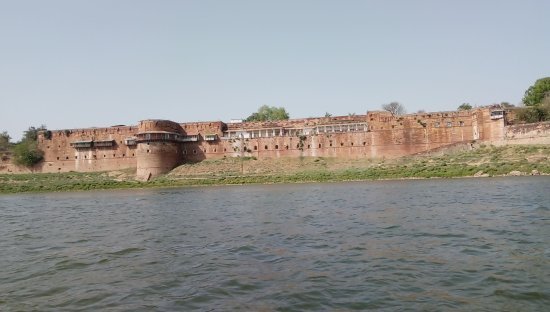
Post lunch, head to the historic Allahabad Fort. While parts of the fort are under archaeological use and may have restricted access, you can walk around the perimeter and visit nearby points of interest such as the Ashoka Pillar and the Patalpuri Temple (check access beforehand). The fort’s red sandstone walls and imposing gates tell a story of Mughal military architecture and later colonial importance.
Evening — Riverfront walk and local market
Spend the evening on a leisurely walk along the riverfront promenade. As dusk falls, you’ll see locals gathering, kids playing and vendors selling snacks. Drop into local markets like Chowk to explore shops selling traditional sweets, handicrafts and books. If you’d like souvenirs, consider brassware, local textiles, and printed scarves. Bargaining is common in markets, but be polite and fair.
Day 2: Forts, heritage homes and colonial-era attractions
Morning — Khusro Bagh and All Saints Cathedral
Begin the day at Khusro Bagh, a peaceful walled garden and mausoleum complex dating back to the Mughal era. The gardens are an excellent spot for morning photography and quiet reflection. Paths wind between tombs with elegant Mughal-style domes and archways.
From Khusro Bagh, visit All Saints Cathedral (Patthar Girja), an imposing colonial-era church built from local stone. The cathedral’s stained glass and Gothic architecture are a contrast to the city’s Mughal heritage and reflect Prayagraj’s layered history.
Midday — Anand Bhawan (Nehru family home)
No heritage tour of Prayagraj is complete without a visit to Anand Bhawan, the ancestral home of the Nehru-Gandhi family. The well-maintained rooms, personal artefacts and memorabilia provide insight into India’s freedom movement and the private lives of its leaders. The house museum is also surrounded by gardens where you can relax and reflect.
Afternoon — Vintage homes and Civil Lines walk
Explore the Civil Lines area for a peek at colonial-era bungalows and tree-lined avenues. Many heritage homes now function as private residences, offices or boutique hotels, but their facades and verandahs carry architectural charm. If time permits, seek out heritage cafés in the area for a late lunch or tea — they offer a mix of Indian and Anglo-Indian snacks in an old-world setting.
Late afternoon — Alfred Park (Vijay Udyan) and provincial museum
Alfred Park, locally known as Alfred Park or Vijay Udyan, is a large green space ideal for a relaxed walk. The park has historic significance and a calm atmosphere away from the hustle of the city centre. Adjacent to the park, visit the local provincial museum if open; its galleries hold archaeological finds, colonial artifacts and regional history displays that round out your understanding of the region.
Where to eat
- Try local sweet shops for regional specialities such as peda and imarti. Eat them from reputed shops to ensure freshness.
- For a proper meal, opt for a traditional North Indian thali or local Awadhi cuisine. Seek places that are busy with locals — a good sign of taste and hygiene.
- Street food like chaat and samosas are tempting; choose stalls with high turnover and clean preparation practices.
Where to stay
Prayagraj offers a range of accommodation from budget hotels and guesthouses to mid-range hotels conveniently located near the Sangam and Civil Lines. For a heritage feel, consider smaller boutique hotels set in old mansions or bungalows. Choose a central location to minimise travel time between attractions, especially if your schedule is tight.
Getting around
- Auto-rickshaws and cycle-rickshaws are convenient for short distances; negotiate fares in advance when meters aren’t used.
- App-based taxis are commonly available and useful for day trips like visiting the Sangam or Allahabad Fort.
- If you plan on several short journeys, a local taxi for half-day hire can be economical and saves time.
Safety and cultural etiquette
Prayagraj is generally safe for travellers, though normal urban precautions apply. Keep valuables secure, avoid isolated areas after dark and use reputable transport. When visiting religious sites, dress modestly — shoulders and knees covered for both men and women is a good guideline. Remove footwear where required and follow instructions at ghats and temples.
Alternative additions and extensions
- If you have extra time, consider a day trip to nearby historic sites or to the small towns along the Ganges that offer quieter rural snapshots of Uttar Pradesh life.
- Time your visit to include a local cultural programme or a classical music recital if available; Prayagraj has a rich tradition of music and literature events.
Tip: Early mornings at the Sangam and late afternoons in the gardens are the best windows for photography — soft light, fewer crowds and pleasant temperatures.
Packing checklist
- Comfortable walking shoes, light clothing for warm weather, a light jacket for winter mornings
- Sunscreen, hat, sunglasses and a refillable water bottle
- Copies of ID, a small first-aid kit, hand sanitiser and wet wipes
- Portable phone charger and a small daypack
Final notes
Prayagraj rewards patients who like to soak in atmosphere rather than rush from one spot to another. This 2-day plan balances the city’s spiritual heart at the Sangam with its colonial and Mughal-era architecture, heritage homes and local markets. Whether you are travelling for pilgrimage, history or simple curiosity, Prayagraj’s layered past and lively present make for a memorable short break.
Have a safe trip and enjoy discovering the many faces of Prayagraj.