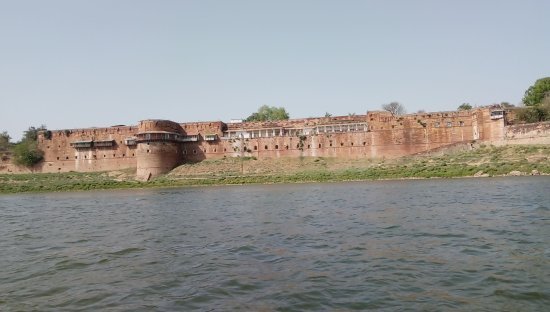
2-Day Braj Itinerary: Mathura, Vrindavan, Gokul and Govardhan
A compact, soulful 2-day Braj itinerary covering Mathura, Vrindavan, Gokul and Govardhan—temples, aartis, parikrama and local flavours, with practical tips on transport, timings and where to stay.
By TravMe Holidays travel team · · Updated · 6 min read
Braj, the land of Krishna, hums with devotion, colour and history. This two-day itinerary is designed for travellers who want an immersive, manageable experience of Mathura, Vrindavan, Gokul and Govardhan—covering major temples, sacred routines, local food and the must-do parikrama around Govardhan Hill.
How to use this itinerary
This plan assumes you start from Mathura. If you arrive by train or road, Mathura is the most convenient base. The schedule is designed to include early-morning aartis and calmer temple visits, with afternoons for longer excursions and evenings for markets and local food. Feel free to adjust pace based on your energy and interest in festivals or special rituals.
Day 1 — Mathura and Vrindavan: Roots and Rituals
Early morning: Mathura’s ghats and temples
Begin before sunrise at Vishram Ghat on the Yamuna. The morning in Mathura is intimate: devotees, priests, and fishermen converge at the riverbanks while lamps and flowers float away. After soaking in the atmosphere, visit the Krishna Janmabhoomi complex—believed to be Krishna’s birthplace. Allocate time for the sanctum, the subterranean chamber where the place of birth is shown, and for conversations with temple sevaks (volunteers) who can explain the rituals.
Mid-morning: Other important Mathura sites
From Janmabhoomi, walk or take a short drive to Dwarkadhish Temple with its ornate spire and lively secular activity. Nearby are other shrines like Kusum Sarovar and the old bazaars where you can pick up sweets such as petha and peda—local specialities made from milk solids. If you appreciate archaeology, the Mathura Museum houses sculptures and relics from the region’s ancient past.
Lunch and travel to Vrindavan
Enjoy a simple vegetarian thali at a clean local restaurant—Braj cuisine is rich in dairy-based dishes and sweets. After lunch, drive to Vrindavan; it’s a short trip of about 20–30 minutes depending on traffic. Keep water and light snacks with you; summers can be hot and humid.
Afternoon: Vrindavan’s spiritual heart
Start with the Banke Bihari Temple—one of Vrindavan’s best-known shrines. The temple’s energy is vibrant; devotees often sing, clap and dance. Note that photography in the sanctum is restricted and dress should be modest. Visit the Rangaji Temple for a contrasting South Indian-style architecture and then the ISKCON temple for serene, devotional music and philosophical exhibits.
Evening: Sandhya aarti and market stroll
Don’t miss the evening aarti at the ghats or at some of the larger temples—these are moving spectacles of lamps, music and bhajans. Post-aarti, explore the lane markets of Vrindavan where you can buy chandan (sandalwood), incenses, handicrafts and religious paraphernalia. Finish the day with a light dinner—milk-based desserts and kachoris are popular choices.
Day 2 — Gokul and Govardhan: Countryside and Parikrama
Early morning drive to Gokul
Leave early for Gokul, the pastoral village where Krishna spent his childhood. The morning light over the Yamuna and the countryside is beautiful. Visit the Gokul Temple and nearby spots associated with Krishna’s leelas (pastimes), such as the Makhan Thal (butter spot) and ancient kunds (ponds). The pace in Gokul is gentler—take time to stroll lanes and observe rural Braj life.
Mid-morning: Understand the local customs
Talk to local priests and guides to understand customs like cow protection and the significance of small shrines tucked into homes. If you have time, visit local farms or dairies to see how milk and dairy products are made—integral to Braj’s food culture.
Late morning to afternoon: Govardhan Hill and parikrama
Head towards Govardhan—a hill revered for Krishna’s lifting of Govardhan to protect villagers from torrential rains. The core experience here is the Govardhan Parikrama, a circumambulation of the hill. You can choose a shorter segment (2–4 km) or the full parikrama (about 21 km), but for a two-day trip it’s practical to do a shorter, meaningful section and visit key temples such as the Radha Kund, Shree Girirajji Temple and Kusum Sarovar.
Practical note on parikrama
Walking shoes, sun protection and modest attire are essential. The parikrama can be done barefoot or with footwear—follow local guidance. Carry water and light snacks; there are tea stalls and small eateries along the route.
Late afternoon: Cultural and spiritual experiences
Visit the various dhunis (sacred fires) and smaller shrines on the slopes. Govardhan is also a place of story-telling and folk singing—if you’re lucky, you’ll encounter local artists performing bhajans. If you prefer a quieter experience, choose a peaceful spot to sit and watch the changing light on the hill.
Evening: Return to Mathura or stay at Govardhan
Depending on your accommodation choice, either return to Mathura for the night or stay in Govardhan to wake up to the hill at dawn. Govardhan has quiet guesthouses and ashrams which provide a tranquil contrast to the busier towns.
Where to stay
Mathura offers a range of options from budget guesthouses to mid-range hotels; Vrindavan and Govardhan have dharamshalas, ashrams and boutique guesthouses. If you prefer convenience, stay in Mathura for easier rail and road connections. For a more spiritual, immersive stay, choose an ashram in Vrindavan or a guesthouse near Govardhan.
Food and etiquette
Braj cuisine is predominantly vegetarian with an emphasis on milk, ghee, paneer and sweets. Try local specialties like peda, rabri and lassi. When eating near temples, accept prasadam (blessed food) respectfully; follow the lead of locals for customs such as removing footwear before entering sanctums and covering your head where customary.
Best time to visit
The most pleasant months are from October to March when the weather is cool and festivals such as Diwali, Holi and Janmashtami add extra vibrancy. Summers can be hot; if you travel between April and June, plan early starts and avoid midday heat. Rainy season brings lush green countryside but can make some rural tracks muddy.
Transport and practical tips
- Arrival: Mathura Junction is well connected by rail; the nearest major airport is at Agra and Delhi. From these hubs, taxis and buses link to Mathura and Vrindavan.
- Local travel: Auto-rickshaws, cycle-rickshaws and taxis are common. For a comfortable two-day tour, hire a private car or taxi for flexibility.
- Timings: Many temples open early morning and close in the afternoon, then reopen for evening aarti. Check specific temple timings during festivals.
- Dress code: Modest, comfortable clothing is recommended. Carry a scarf or shawl to cover your head in certain shrines.
- Health & safety: Carry a basic first-aid kit, bottled water and any personal medications. Avoid drinking raw tap water; prefer bottled or boiled water.
Suggested packing list
- Comfortable walking shoes and/or sandals
- Lightweight, modest clothing and a wrap or shawl
- Sun protection (hat, sunscreen) and a reusable water bottle
- Portable charger, small torch and copies of travel documents
- Small offerings like flowers or sweets if you plan to participate in rituals
Responsible travel tips
Respect local customs: ask before photographing people or rituals, avoid littering the ghats and support local businesses by buying crafts and sweets from established vendors. When interacting with priests and guides, agree on fees beforehand to avoid misunderstandings.
Final thoughts
This two-day Braj itinerary balances the major spiritual highlights with enough breathing space to absorb the atmosphere. Whether you come for devotion, history or culture, Mathura, Vrindavan, Gokul and Govardhan offer a warm, memorable experience—one that lingers long after you leave their dusty lanes and riverbanks.
Safe travels, and may your journey through Braj be peaceful and full of discovery.