12-Day Uttar Pradesh Circuit: Heritage, Pilgrimage and Wildlife
A thoughtfully paced 12-day Uttar Pradesh circuit combining Mughal and Nawabi heritage, sacred river cities, and a touch of wilderness — ideal for history buffs, pilgrims and nature lovers.
By TravMe Holidays travel team · · Updated · 6 min read
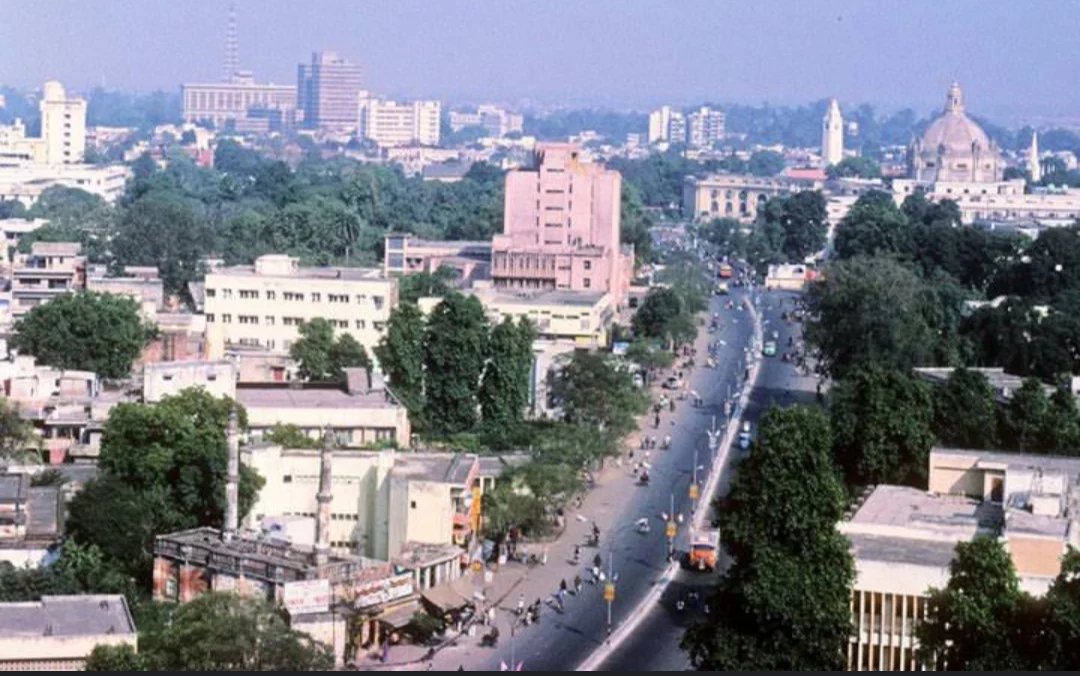
Uttar Pradesh is a tapestry of India’s history, faith and natural diversity. This 12-day circuit weaves Mughal monuments, Nawabi culture, ancient pilgrimage sites and a slice of the Terai wilderness into a comfortable, memorable journey that suits first-time visitors as well as return travellers seeking depth.
Why this itinerary works
This route balances travel time and experiences: start in the state capital, move south-west to the Taj City, then eastward along the Ganga to spiritual Varanasi and historic Prayagraj, dip into pilgrimage hubs and finish with wildlife at Dudhwa. Each stop offers a distinct flavour — Lucknow’s refined cuisine and architecture, Agra’s imperial legacy, Mathura-Vrindavan’s devotional fervour, the timeless rituals of Varanasi, sacred confluences in Prayagraj, the mythic aura of Ayodhya and the quiet forests of Dudhwa.
Planning tips before you go
- Best time to travel: October to March for pleasant days and cool mornings; riverside rituals and festivals are most comfortable in this window.
- Travel style: Mix of private car transfers and short domestic flights if you prefer less road time. Trains connect many cities if you want a local flavour.
- Health & safety: Carry water, light medicines and insect repellent for Dudhwa. Respect local customs when visiting temples and ghats — modest dress and removing shoes are common requirements.
- Packing: Comfortable walking shoes, sun protection, a light scarf for temple visits and an evening layer for winter months.
Day-by-day 12-Day Uttar Pradesh Circuit
Day 1 — Arrive Lucknow: Welcome to Nawabi culture
Arrive in Lucknow and check into your hotel. Spend the afternoon exploring the Bara Imambara complex with its famous Bhulbhulaiya (labyrinth) and the imposing Rumi Darwaza. In the evening, enjoy a traditional Awadhi meal — kebabs, biryani and sheermal — and, if time allows, catch a live classical or mushaira performance for a taste of local art.
Day 2 — Lucknow sights and culinary trails
Visit Hazratganj for a stroll and some shopping, then explore the British-era Residency to understand the 1857 history. Stop by the State Museum if you’re keen on archaeology and regional history. Dedicate the evening to a guided food walk through Old Lucknow to sample kebabs, chaat and paan.
Day 3 — Drive to Agra (approx. 4–5 hours)
Leave for Agra after breakfast. On arrival, check in and refresh. Time your visit to the Taj Mahal for either sunset or sunrise; both offer magical light. In the afternoon visit Agra Fort and, if interested, the Mehtab Bagh across the Yamuna for a serene river view of the Taj. Dinner can feature Mughlai specialities at a recommended local restaurant.
Day 4 — Agra to Mathura and Vrindavan, then onward to Bharatpur/Prayagraj
Spend the morning in the devotional towns of Mathura and Vrindavan to experience Krishna’s vibrant festivals, temples and colourful bazaars. Vrindavan’s lanes are full of temples, music and prasad distribution. Later in the day, either head toward Prayagraj (Allahabad) or stay en route in a town along the way depending on your pace.
Day 5 — Prayagraj: Sangam and history
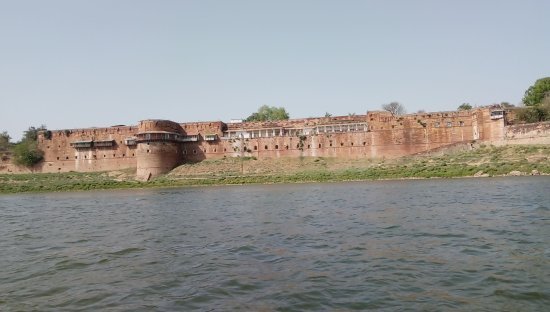
Prayagraj sits at the sacred confluence of the Ganga, Yamuna and the mythical Saraswati — the Sangam. Visit the ghats at sunrise, explore Allahabad Fort (noting that access may be restricted), and walk around the historic circles of Civil Lines. The evening offers a quieter set of ghats for reflection and rituals.
Day 6 — Drive to Varanasi (approx. 3–4 hours)
Arrive in Varanasi by afternoon and take a first gentle walk through the narrow lanes. Experience the Ganga Aarti in the evening at Dashashwamedh Ghat — an emotional, sensory ceremony that is among India’s most powerful spiritual spectacles.
Day 7 — Varanasi: Ghats, temples and a boat ride
Begin with an early morning boat ride to watch sunrise over the river and life unfolding along the ghats. Visit Kashi Vishwanath Temple, explore the Banaras Hindu University campus and the Ramnagar Fort. Spend time with a guide who can explain cremation rituals and the city’s living traditions with sensitivity.
Day 8 — Varanasi to Chitrakoot (approx. 5–6 hours)
Travel to Chitrakoot, a landscape steeped in Ramayana lore. The town is peaceful with riverside ghats that host gentle evening prayers, ideal for contemplative walks and sunset views. Explore ancient caves, temples and the local markets that sell devotional crafts.
Day 9 — Chitrakoot to Ayodhya (approx. 6–7 hours with breaks)
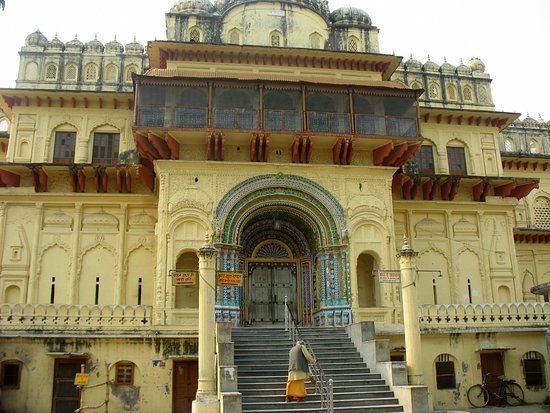
Head north to Ayodhya, believed to be the birthplace of Lord Rama. The city is undergoing a period of renewed temple activity and development. Visit major temples and the Hanuman Garhi; if available, take a riverfront walk near the Saryu and enjoy a calm evening by the water.
Day 10 — Ayodhya to Jhansi (approx. 5–6 hours)
Drive to Jhansi, a city renowned for its role in the 1857 uprising and its sturdy Jhansi Fort. Explore the fort complex, the Rani Mahal and nearby museums that narrate local heroism and history. Jhansi provides a transition from spiritual sites to the more rural, natural areas of eastern UP.
Day 11 — Jhansi to Dudhwa National Park region (approx. 6–7 hours)
Travel north-east toward the Terai plains and base yourself near Dudhwa National Park. The journey brings you into a completely different landscape — tall grasslands, sal forests and an abundance of birdlife. Check into a lodge that offers jungle activities and prepare for early-morning safaris.
Day 12 — Dudhwa safaris and departure
Spend your final day on morning and optional afternoon safaris in Dudhwa. Keep an eye out for the park’s signature residents: swamp deer (barasingha), diverse ungulates, numerous bird species and, with luck, big cats and leopards. In the evening, begin your return journey to Lucknow or the nearest airport/railhead for onward travel.
Practical travel advice for the circuit
- Local guides: Hire local guides in heritage cities and pilgrimage sites; their insights add layers of meaning and context to monuments and rituals.
- Transport: Road distances in UP can be long; plan departure times to avoid peak traffic in cities. Night travel is possible but daytime travel is generally safer and more scenic.
- Accommodation: Choose centrally located hotels in Lucknow, Agra and Varanasi to maximise sightseeing time. In Dudhwa, select lodges with authorised access to the park.
- Permits and park rules: For Dudhwa safaris, book through authorised operators; follow park guidelines regarding noise, feeding wildlife and photography rules.
- Respect local customs: In pilgrimage towns, observe dress codes, remove shoes at temple entrances and ask before photographing people performing rituals.
Tip: Allow flex days if you want to linger longer at the Taj, catch a special festival in Varanasi, or add a day for leisurely exploration of provincial towns such as Kanpur and Banda.
Customising the route
This 12-day loop is flexible. If you prefer fewer long drives, omit Chitrakoot and extend your stay in Varanasi and Dudhwa. For more history, add a day in Lucknow for museums and cantonment walks. Pilgrimage-focused travellers may want extra days in Mathura-Vrindavan and Ayodhya during festival seasons for a fuller devotional experience.
Responsible travel notes
Uttar Pradesh’s gems are often fragile: river ecosystems, historic structures and wildlife habitats need careful visitation. Avoid single-use plastics, support homestays and local artisans, and be mindful of noise and litter in temples and natural sites. Photography can be intrusive at ghats and cremation sites — ask first and be discreet.
Uttar Pradesh rewards travellers who come with patience and curiosity. This 12-day circuit gives you a broad yet paced encounter with the state’s many faces — regal, devotional and wild — leaving space for moments of quiet wonder that make a journey memorable.