1-Day Ayodhya Itinerary for Short Pilgrimage Visits
A thoughtfully planned 1-day Ayodhya itinerary for pilgrims and short-stay travellers visiting Uttar Pradesh, covering must-see temples, timings, transport tips and practical advice to make the most of a single day.
By TravMe Holidays travel team · · Updated · 6 min read
Ayodhya is an ancient, sacred city on the banks of the Sarayu in Uttar Pradesh — a place of bhakti, history and evolving contemporary significance. With limited time, a well-paced one-day plan helps you experience the spiritual highlights, local flavours and the riverside ambience without feeling rushed.
Before you go: practical preparations
One day in Ayodhya is best suited to travellers who prefer a focused pilgrimage rather than a leisurely exploration. Plan your travel to arrive early, carry light luggage, wear comfortable footwear and modest clothing for temple visits. Keep photocopies of ID, a water bottle, sun protection and a small packet of basic medicines. Note that some temples have specific rules about photography and footwear.
Getting to Ayodhya
Ayodhya is accessible by road and rail from major cities in Uttar Pradesh and neighbouring states. If you are coming from Lucknow, the road journey is short and convenient; rail connections also link Ayodhya to Delhi and other regional hubs. For a one-day trip, arriving by early morning train or car maximises time. Plan your return in the evening after darshan and a relaxed stroll along the Sarayu ghats.
Suggested timeline for 1 day
- 05:30–07:30 — Early morning darshan and Ganga arti-like experience at the Sarayu ghats
- 07:30–09:00 — Breakfast and visit Hanuman Garhi
- 09:00–11:00 — Ram Janmabhoomi complex visit
- 11:00–13:00 — Kanak Bhawan and nearby ancient temples
- 13:00–14:00 — Lunch and short rest
- 14:00–16:00 — Nageshwarnath Temple, Tulsi Smarak Bhawan and local museums
- 16:00–18:00 — Evening aarti at the Sarayu ghats and sunset walk
Morning: riverside prayers and early darshan
Start at the Sarayu ghats before sunrise. The riverside atmosphere is calm, filled with early prayers, people offering flowers and the gentle murmur of bhajans. Many pilgrims perform a quick dip or offer water while priests chant mantras; the experience is serene and sets a devotional tone for the day.
After the ghat, head to Hanuman Garhi, one of the most prominent temples in Ayodhya. The climb up is rewarded with panoramic views of the old city and a chance to witness devotional rituals. Hanuman Garhi is popular for its early morning rush, so arriving as temples open helps avoid long queues.
Late morning: Ram Janmabhoomi and surrounding shrines
The Ram Janmabhoomi complex is the central spiritual focus of modern Ayodhya. Allocate enough time here for darshan, to see the focal shrine and to absorb the historical narratives around the site. Depending on crowd management and ceremonial schedules, wait times may vary; be patient and respectful, and follow the guidance of volunteers and temple staff.
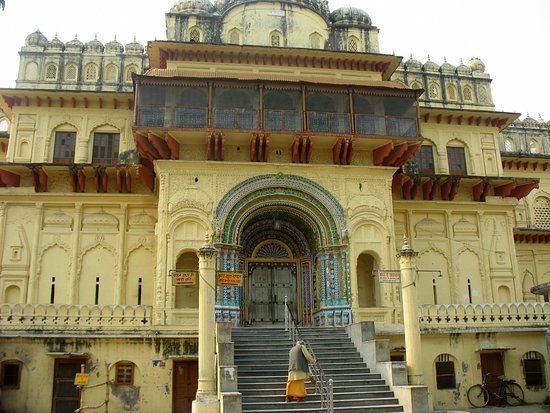
Close to Ram Janmabhoomi is Kanak Bhawan, traditionally associated with the divine couple. The interiors are known for devotional art and gilded decor; take a slow walk through the temple precinct and read any available explanatory plaques to better understand local traditions.
Afternoon: heritage, food and a quiet break
After intensive temple visits, take a break for a hearty vegetarian lunch at a local eatery. Ayodhya offers simple, home-style meals and sweet shops selling traditional mithai. Try local favourites such as kachori, chola, and seasonal sweets; many establishments near the temple zone cater to pilgrims with hygienic preparations.
Post-lunch, consider visiting Tulsi Smarak Bhawan for a glimpse into the cultural heritage tied to Goswami Tulsidas, author of the Ramcharitmanas. The museum and library provide contextual background on Ayodhya’s literary traditions and are a calm retreat from the midday heat.
Mid-afternoon: temples off the main track
Ayodhya has several lesser-known temples that reward the curious traveller. Nageshwarnath Temple, said to be founded by Kush, son of Rama, is an important ancient shrine with distinct rituals. Similarly, Bharat Kund and Sita Ki Rasoi are pilgrimage points connected to the Ramayana narrative. These sites are quieter than the main complex and allow more personal moments of reflection.
Wear respectful attire and observe local customs at each shrine. Photography may be restricted inside sanctums, so ask before you click.
Evening: ghats, aarti and sunset
Return to the Sarayu ghats well before sunset to join the evening aarti. The ritual involves lamps, hymns and a communal sense of devotion that is both moving and photogenic. Sitting on the steps, watching the sky change colour while priests chant creates a memorable spiritual close to the day.
Walk along the ghats after aarti to enjoy the cool breeze and street stalls selling chai and snacks. If time permits, a quiet boat ride on the Sarayu at dusk offers a different perspective of the city’s skyline and temple silhouettes.
Food, hygiene and dietary notes
Ayodhya’s food scene is primarily vegetarian, reflecting local cultural practices. Choose busy eateries with fresh preparation and visible hygiene standards. Carry water from trusted sources, or buy sealed bottled water. If you have dietary restrictions, communicate clearly; many places are accommodating to spice and salt preferences.
Practical tips and dos & don’ts
- Dress modestly: Cover shoulders and knees when visiting temples.
- Footwear: Remove shoes before entering sanctums; wear slip-on footwear for convenience.
- Photography: Respect no-photography signs and avoid taking pictures during rituals unless permitted.
- Cash and payments: Keep small change for donations, pujari offerings, and local purchases; many places accept digital payments but small shops may prefer cash.
- Pilgrim etiquette: Maintain silence inside prayer halls, queue respectfully and follow volunteer or staff instructions.
- Local guides: Engaging a local guide for a few hours can enrich your visit with historical anecdotes and streamline navigation between sites.
Best time to visit
The most pleasant months to visit Ayodhya are the cooler, drier seasons when mornings and evenings are comfortable for ghats and temple walks. Avoid peak summer afternoons for outdoor activities. Festive seasons tied to Ram Navami and Diwali attract large crowds; if you prefer a quieter pilgrimage, choose off-peak dates.
Accessibility and safety
Many major temples have stepped approaches and may be challenging for travellers with limited mobility. Plan ahead for assistance or limited mobility routes where available. Ayodhya is generally safe for solo travellers and families; basic safety precautions apply as in any busy pilgrimage town. Keep valuables secure and remain alert in crowded areas.
If you have extra time
If your schedule allows a slightly longer stay, consider exploring nearby historical sites, sampling more local cuisine, or joining a guided heritage walk through the older parts of the city. A night’s stay beside the Sarayu is an especially tranquil option for those seeking deeper immersion.
Quick checklist for the day
- Early arrival plan (train/car timings)
- Light, respectful clothing and comfortable footwear
- Water bottle, sun protection and basic medicines
- ID and small cash for offerings
- Local guide contact or temple volunteer info (optional)
One day in Ayodhya is an invitation to witness centuries of devotion, pilgrimage rituals and living folklore. With a calm schedule, a respectful attitude and a sense of curiosity, you can experience the city’s spiritual heart and return with lasting memories and renewed calm.
TravMe tip: Start early, prioritise temples that matter most to you and leave time to simply sit by the Sarayu — often the most profound moments in pilgrimage happen in stillness.
Conclusion
A one-day Ayodhya itinerary focuses on meaningful encounters rather than hurried checklist tourism. By combining morning ghats, key temple darshans, a restful afternoon and an evening aarti, you can capture the essence of this sacred city in a single day while respecting its rhythms and traditions.